9mm ammo buying guide
Nearly every 9mm question comes down to two decisions: what you practise with, and what you carry. They are not the same round, and they are not bought the same way.
By TAS6 min read
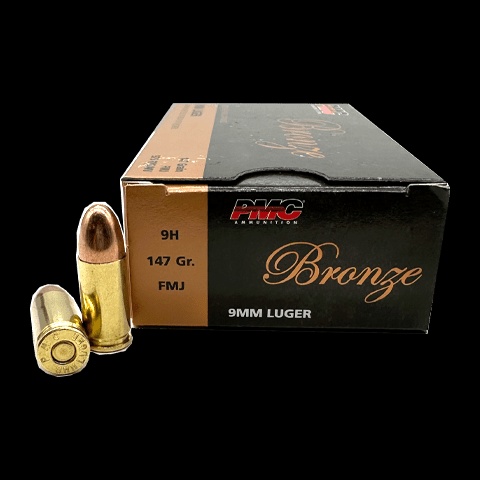
9mm Luger is the most-fired centerfire cartridge in America, which means it has the deepest shelf and the most noise around it. Strip the noise out and there are three decisions: grain weight, bullet construction, and how much of each to buy. Everything else is preference.
Grain weight: 115, 124, 147
Grain is bullet weight (7,000 grains to the pound). In 9mm the three standard weights sit close enough together that the differences are subtle, and far enough apart that you can feel all of them.
| Weight | Velocity | Character | Best at |
|---|---|---|---|
| 115 gr | 1,150–1,200 fps | Sharp, quick recoil impulse | Cheapest practice, highest volume |
| 124 gr | 1,100–1,150 fps | The middle, and most duty loads live here | Matching practice to carry |
| 147 gr | 950–1,000 fps | Subsonic, a push rather than a snap | Suppressed, and shooters who prefer the recoil |
Two consequences matter in practice. First, recoil character changes more than recoil amount. Total recoil impulse across these weights is similar; what changes is whether the gun snaps or pushes, and which of those you shoot better is genuinely individual. Shoot a box of each before you decide you have an opinion.
Second, point of impact moves. With fixed sights zeroed for 115 grain, a 147 grain load frequently prints an inch or two higher at 25 yards, because the heavier bullet is still in the barrel a fraction longer while the muzzle rises. If you carry a load, zero for that load.
Price tracks weight in the obvious direction: federal-american-eagle-9mm-luger is n/a a round in 115 grain and rises through the 124 and 147 grain boxes.
FMJ against JHP
Full metal jacket is a lead core in a copper jacket with no expansion mechanism. It is cheap, clean, and it punches a caliber-sized hole through whatever it hits and keeps going. That makes it excellent for paper and steel and wrong for defence, because overpenetration is a liability question as well as a terminal performance one.
Jacketed hollow point has a cavity in the nose designed to expand on impact, which both increases the wound channel and dumps energy so the bullet is less likely to exit. The engineering that separates a good one from a bad one is whether it still expands after passing through clothing, and whether the jacket stays attached to the core when it does.
That is why the same two names keep coming up. federal-premium-hst-9mm-luger and speer-gold-dot-9mm-luger are what a great many American police departments issue, and they are the benchmark other defensive loads get measured against: HST for jacket retention through barriers, Gold Dot for its bonded core. At n/a and n/a a round respectively, neither is practice ammunition.
What to train with
For practice the requirements are short: brass case if you might reload or your range demands it, consistent enough to diagnose your own errors rather than the ammunition’s, and cheap enough that you shoot a realistic amount.
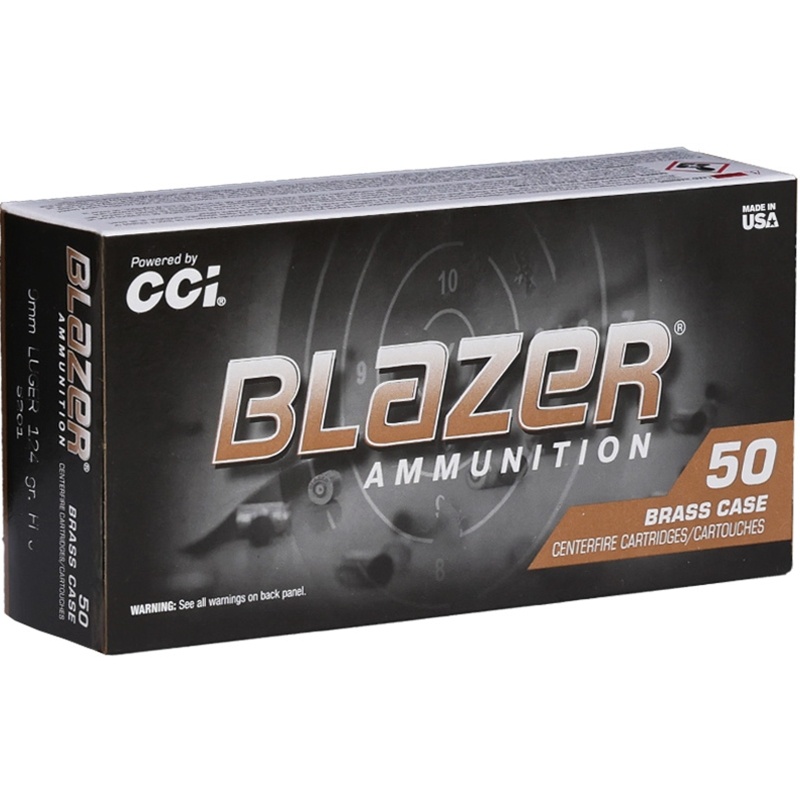
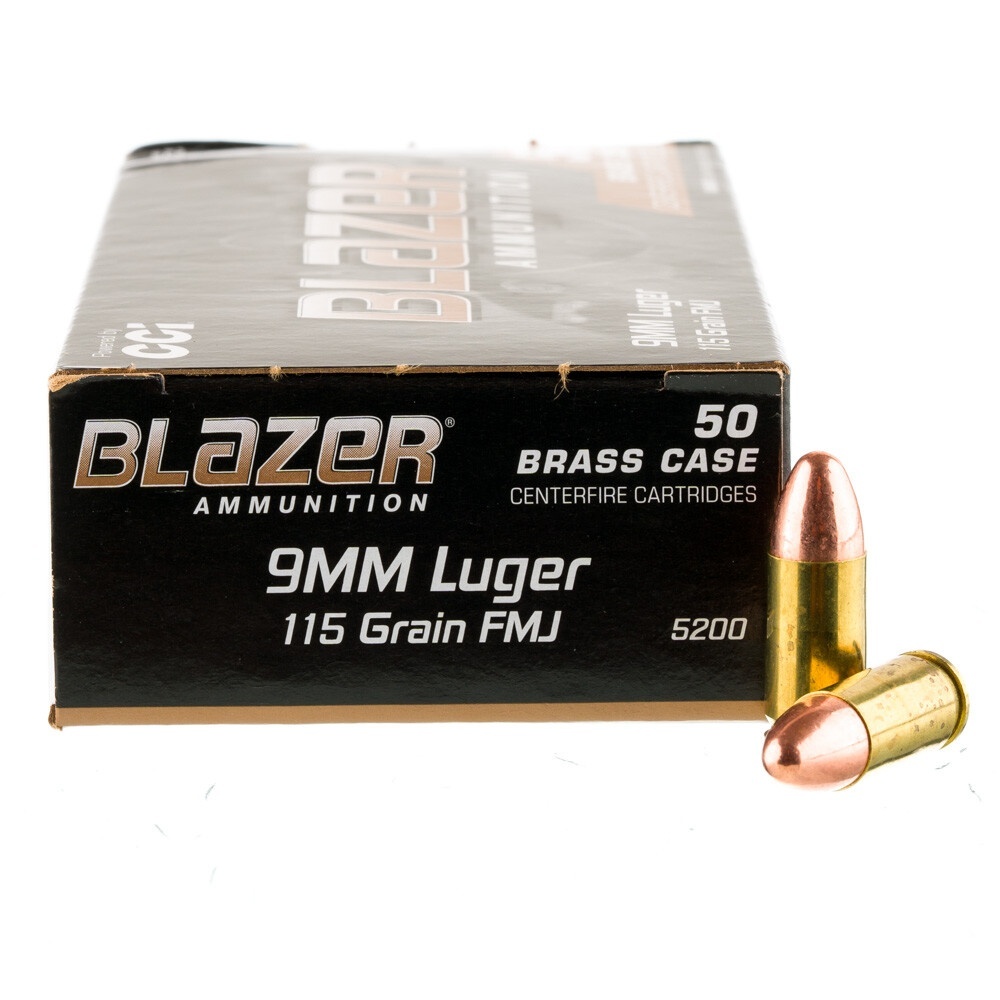
- blazer-brass-9mm-luger: n/a a round by the case. CCI primers, clean powder, and the default answer for high-volume 9mm.
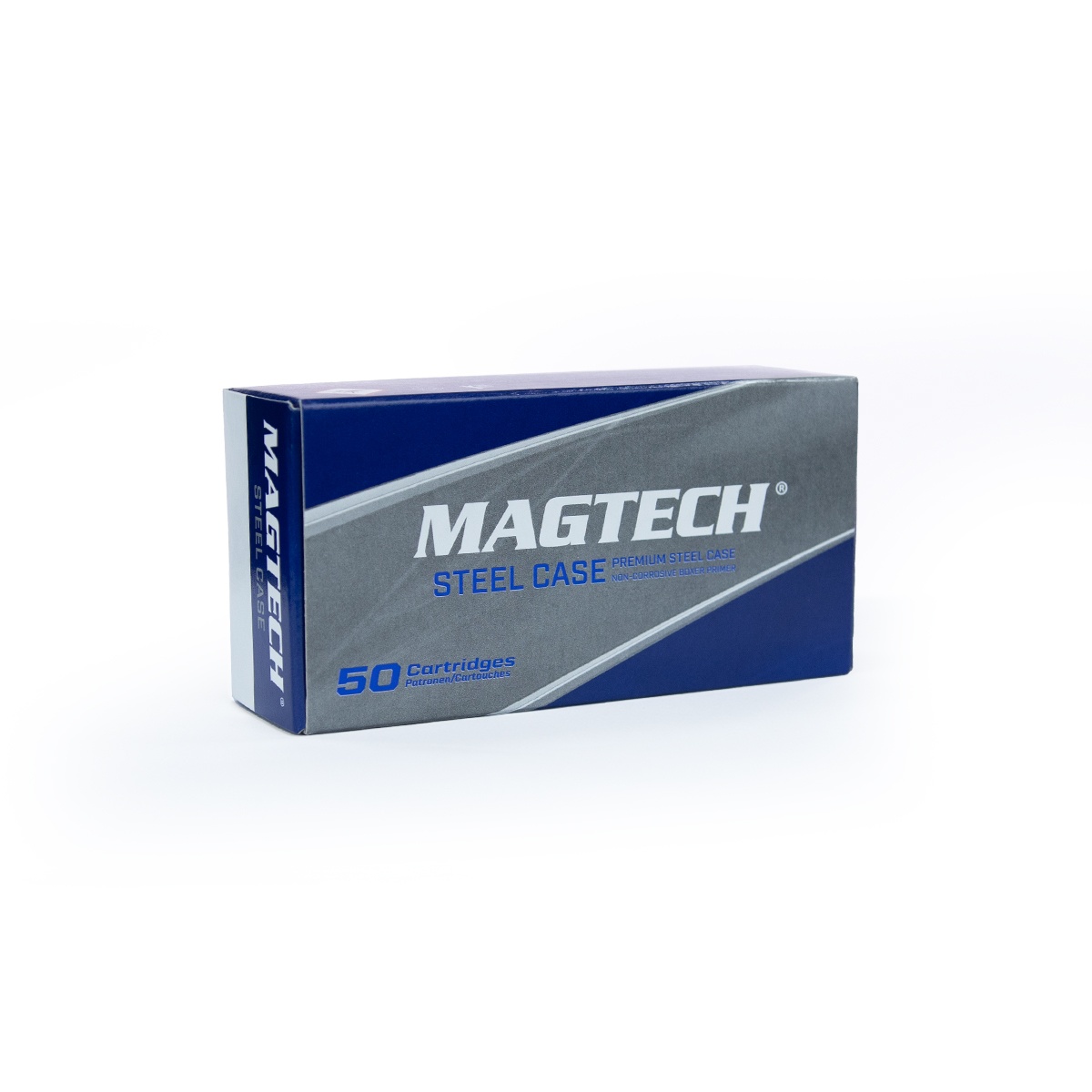
- magtech-sport-9mm-luger: n/a. Brazilian-made and punches above its price.
- winchester-usa-white-box-9mm-luger: n/a. Forty years in every range bag in America.
- federal-american-eagle-9mm-luger: n/a, and the widest choice of weights if you want to match your carry load.
Between those four the per-round spread is a couple of cents. Pick one, buy a case, and stop optimising. Consistency in what you shoot is worth more than the last cent per round. The full shelf, sorted, is on the 9mm caliber page, and the reasoning behind comparing this way is in price per round.
What to carry
Pick a bonded or barrier-tested hollow point from a manufacturer that sells to law enforcement, then do the part almost everyone skips:
- Run 50 to 100 rounds of it through your gun, from the magazines you actually carry, with the gun set up the way you carry it. Hollow points feed differently to round-nose FMJ, and short pistols are the fussiest.
- Confirm point of impact at the distance you would actually shoot.
- Load it and leave it. Rotate the top round rather than rechambering the same one weekly: repeated chambering pushes the bullet back into the case, which raises pressure.
Barrel length is the one variable people underrate. A 3-inch subcompact loses roughly 100 fps against a 4.5-inch service pistol, and some hollow points are designed around velocities the short barrel never reaches. If you carry a small gun, choose a load the manufacturer tests at short barrel lengths.
+P, and when it is worth it
+P is a published, standardised pressure step above normal for the caliber. Many modern pistols are rated for it; older ones and some compacts are not, and firing it in a gun not rated for it accelerates wear at best. Check the manual before you buy a case of it, and read our note on pressure ratings. +P+, which has no published standard behind it at all, is a different conversation again.
For most shooters a standard-pressure load they shoot accurately beats a +P load they flinch through. Velocity you cannot control is not a gain.
A sensible first order
- One 1,000-round case of practice FMJ: n/a for Blazer Brass. That is roughly half of the $300 free-shipping threshold, so it is worth pairing with whatever else you were going to buy this year rather than shipping twice.
- Two boxes of your chosen defensive load for the verification run, plus one to keep loaded.
- A 50-round box each of 124 and 147 grain if you have never deliberately compared them.
That is a year of ordinary practice for most people, a verified carry load, and an answer to the grain-weight question that comes from your own target rather than from an argument online.
Shop this caliber
Live prices for what is in stock right now.