Handgun Ammo
9mm Luger Ammo
In stock from $0.25 / round · 55 of 79 products available now
Nearly everything on this page is 115, 124 or 147 grain, in brass, steel or aluminium. Which of the three you buy changes how the pistol feels far more than what it does.
In stock today
- Cost per round
- $0.25 to $2.29
- 18 Brands
- CCI, DoubleTap, Federal, Fiocchi, Fort Scott Munitions, Hornady, Liberty Ammunition, Magtech, MaxxTech, PMC, Remington, Sellier & Bellot, SIG Sauer, SIM-X, Speer, SuperNova, Underwood, Winchester
- Bullet weights
- 45, 50, 55, 68, 72, 80, 100, 115, 119, 124, 125, 135, 138, 140, 145, 147 grain
- Pack sizes
- 12, 20, 25, 50, 100, 200, 250, 500, 750, 1,000, 1,500 rounds
Learn more about 9mm Luger
At a glance
- Also known as
- 9x19mm, 9mm Parabellum, 9mm NATO
- Common bullet weights
- 115, 124 and 147 grain
- Case materials sold
- Brass, steel and aluminium
- Typical use
- Range volume, competition, concealed carry
- Before you buy
- Many indoor ranges ban steel case. Check the rules before a case lands
- Age to purchase
- 21+ (the federal licensed-dealer minimum for ammunition suitable for a handgun, applied as TAS policy)
9mm Luger is the most-shot centerfire pistol cartridge in the United States, and the reason is arithmetic: it is cheap enough to train with seriously, mild enough that most shooters can control it under a timer, and modern defensive loads have closed most of the terminal gap that once justified anything larger. Almost every 9mm cartridge sold falls into three bullet weights (115, 124 and 147 grain), and the choice between them matters more for how the gun feels than for anything else. The rest of the decision is case material, bullet construction, and what your range will let through the door.
- PMC
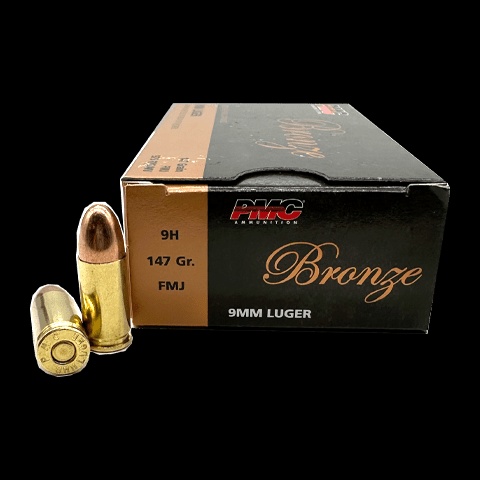
9mm Luger - PMC Subsonic (9H) 147gr Full Metal Jacket - 50 Per Box
147gr FMJ · 50rd
Also in 200rd, 500rd, 1000rd
$15.11$0.30/rdIn stock
Out of stock
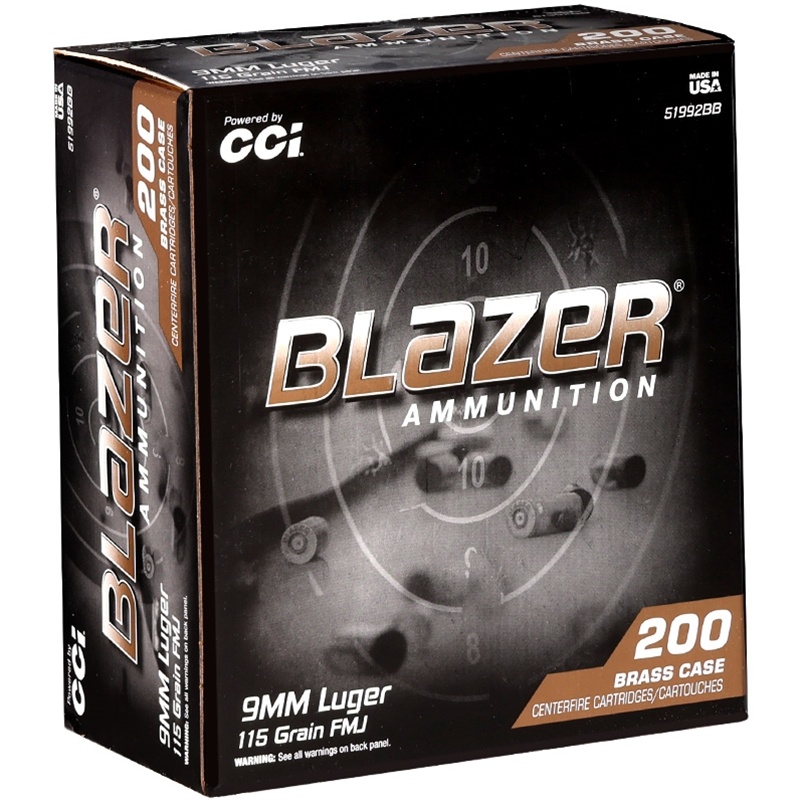
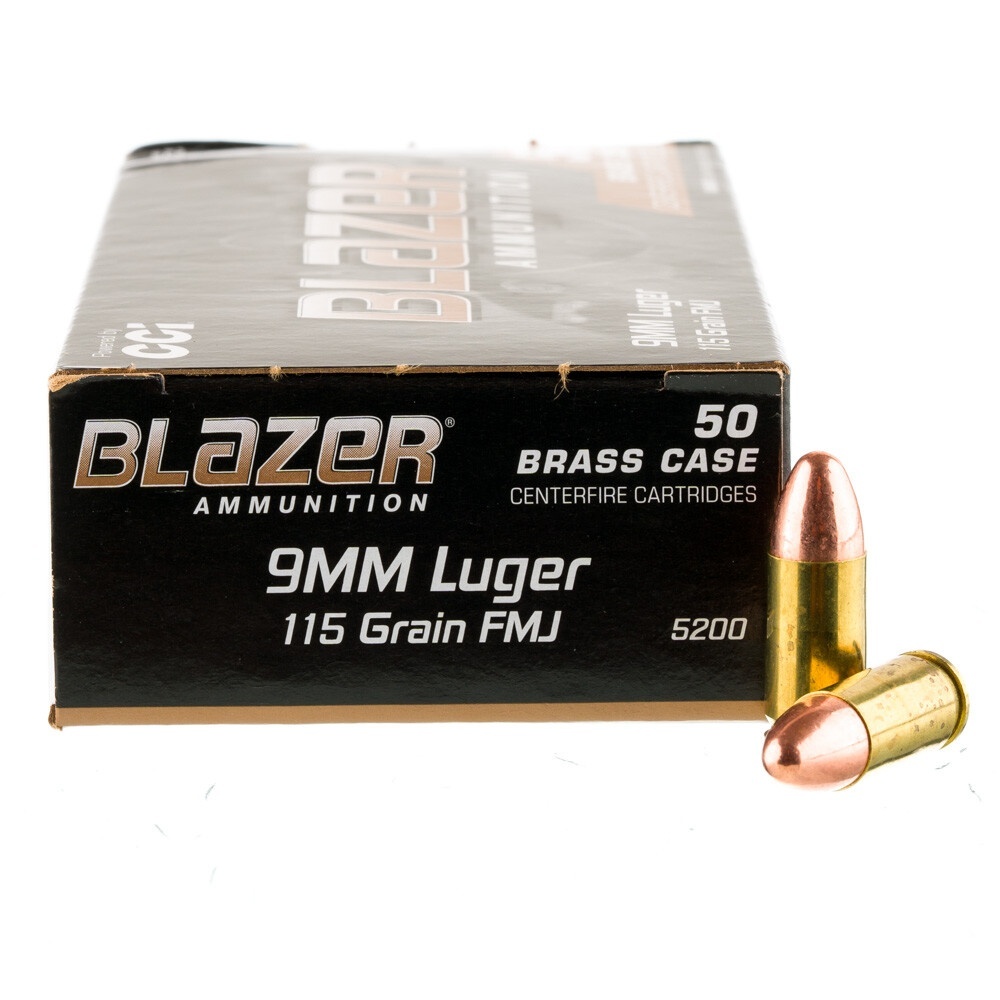
CCIBLAZER 9MM LUGER AMMO 115GR FMJ BRASS CASED 100RD BOX
115gr FMJ · 100rd
$29.15$0.29/rdCurrently unavailable
Out of stock
BrowningBROWNING 9MM LUGER 115GR FMJ BRASS CASED 50RD BOX
115gr FMJ · 50rd
$14.03$0.28/rdCurrently unavailable
- CCI
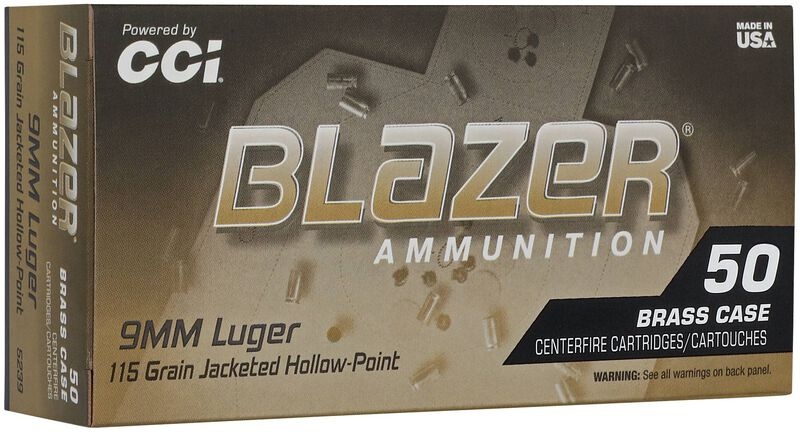
CCI Blazer 9mm Luger AMMO 115gr Jacketed Hollow Point (JHP) BRASS CASED 50RD BOX
115gr JHP · 50rd
Also in 250rd, 500rd, 1000rd
$23.75$0.47/rdIn stock
- CCI
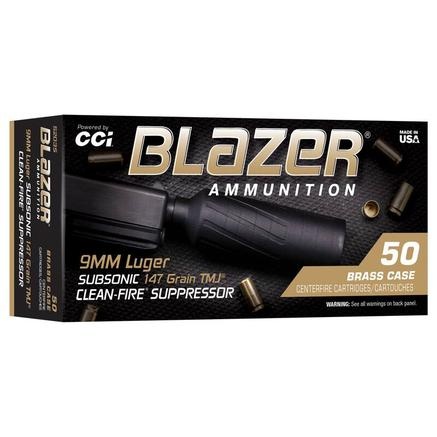
CCI BLAZER 9MM LUGER AMMO 147GR SUBSONIC (CLEAN-FIRE SUPPRESSOR) TMJ BRASS CASED 50RD BOX
147gr TMJ · 50rd
Also in 500rd, 1000rd
$18.35$0.37/rdIn stock
- CCI
CCI BLAZER BRASS 9MM LUGER 147GR PLATED FMJ FN BRASS CASED 50RD BOX
147gr FMJ · 50rd
Also in 250rd
$17.27$0.35/rdIn stock
- DoubleTap
COLT DEFENSE 9MM LUGER AMMO 124GR JHP JACKETED HOLLOW POINT 20RD BOX
124gr JHP · 20rd
$24.21$1.21/rdIn stock
- DoubleTap
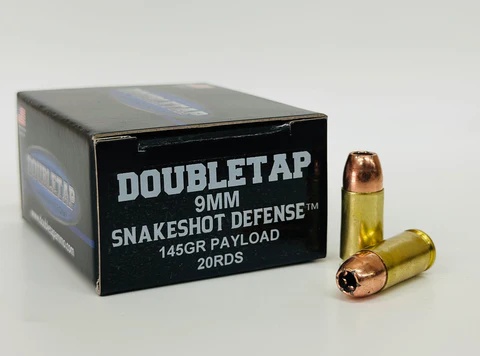
DOUBLETAP 9MM Ammo SNAKESHOT DEFENSE 145GR PAYLOAD (95GR JHP+100CT #9 SHOT) BRASS CASED 20RD BOX
145gr 20rd
$32.39$1.62/rdIn stock
Out of stock
DoubleTapDOUBLETAP 9MM LUGER +P AMMO EQUALIZER 165GR (115GRHP+50GR HARDCAST DISC) BRASS CASED 20RD BOX
165gr 20rd
$27.54$1.38/rdCurrently unavailable
- DoubleTap
DOUBLETAP 9MM LUGER AMMO 115GR CONTROLLED EXPANSION JHP 12 PACK BRASS CASED 12RD BOX
115gr JHP · 12rd
$15.11$1.26/rdIn stock
- Federal
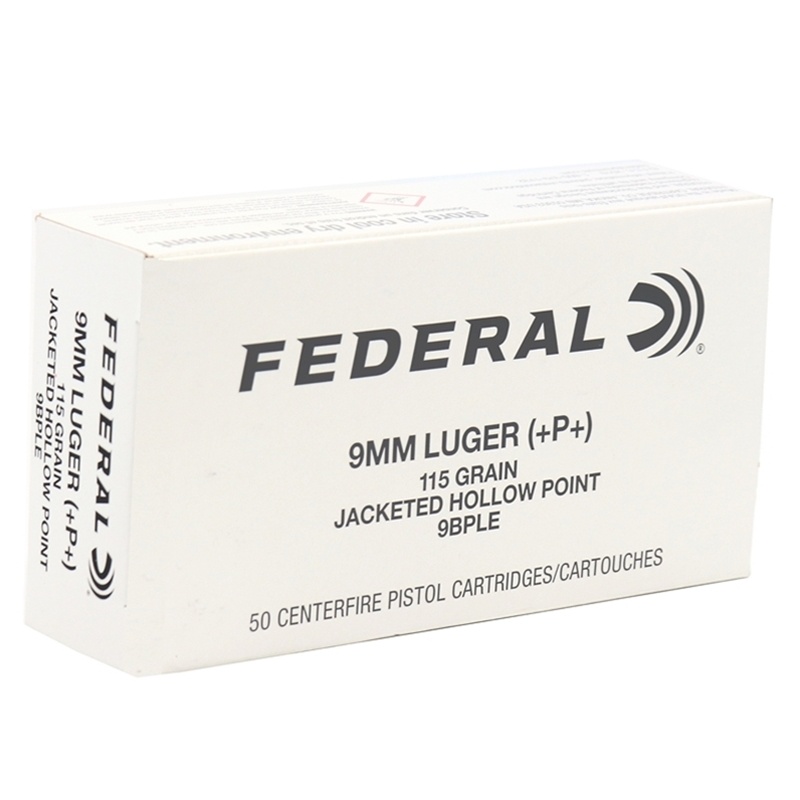
FEDERAL 9BPLE 9MM LUGER AMMO 115GR +P+ HOLOW POINT NICKELPLATED BRASS 50RD BOX
115gr 50rd
Also in 250rd
$30.23$0.60/rdIn stock
Out of stock
FederalFEDERAL 9MM LUGER AMMO 135GR HYDRA-SHOK DEEP 9MM LUGER 20RD BOX
135gr 20rd
$31.31$1.57/rdCurrently unavailable
- Federal
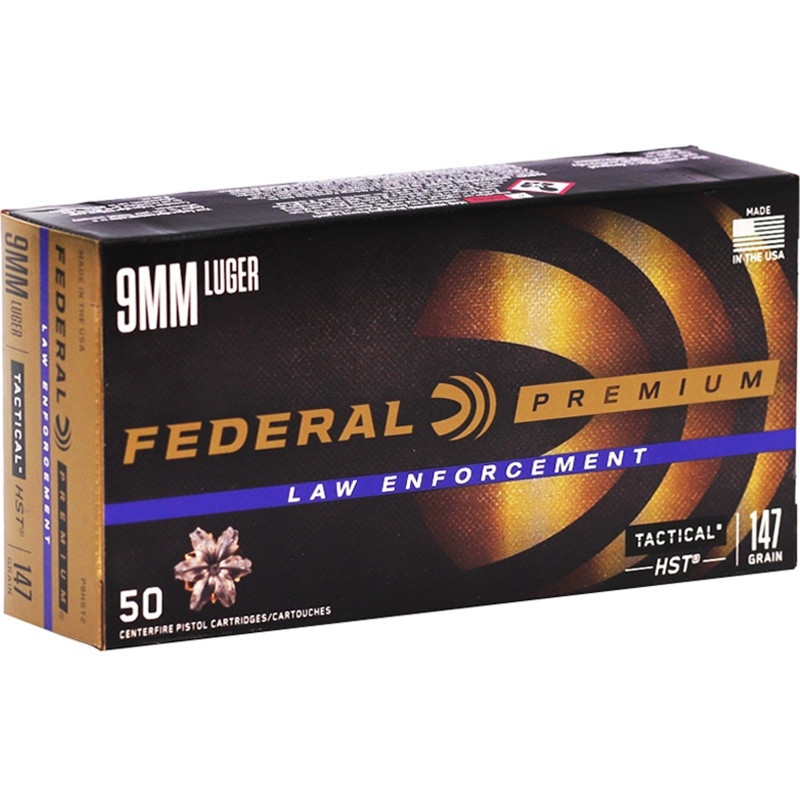
FEDERAL 9MM LUGER AMMO 147GR HST HOLLOW POINT NICKEL PLATED BRASS 50RD BOX
147gr 50rd
Also in 250rd
$31.31$0.63/rdIn stock
- Federal
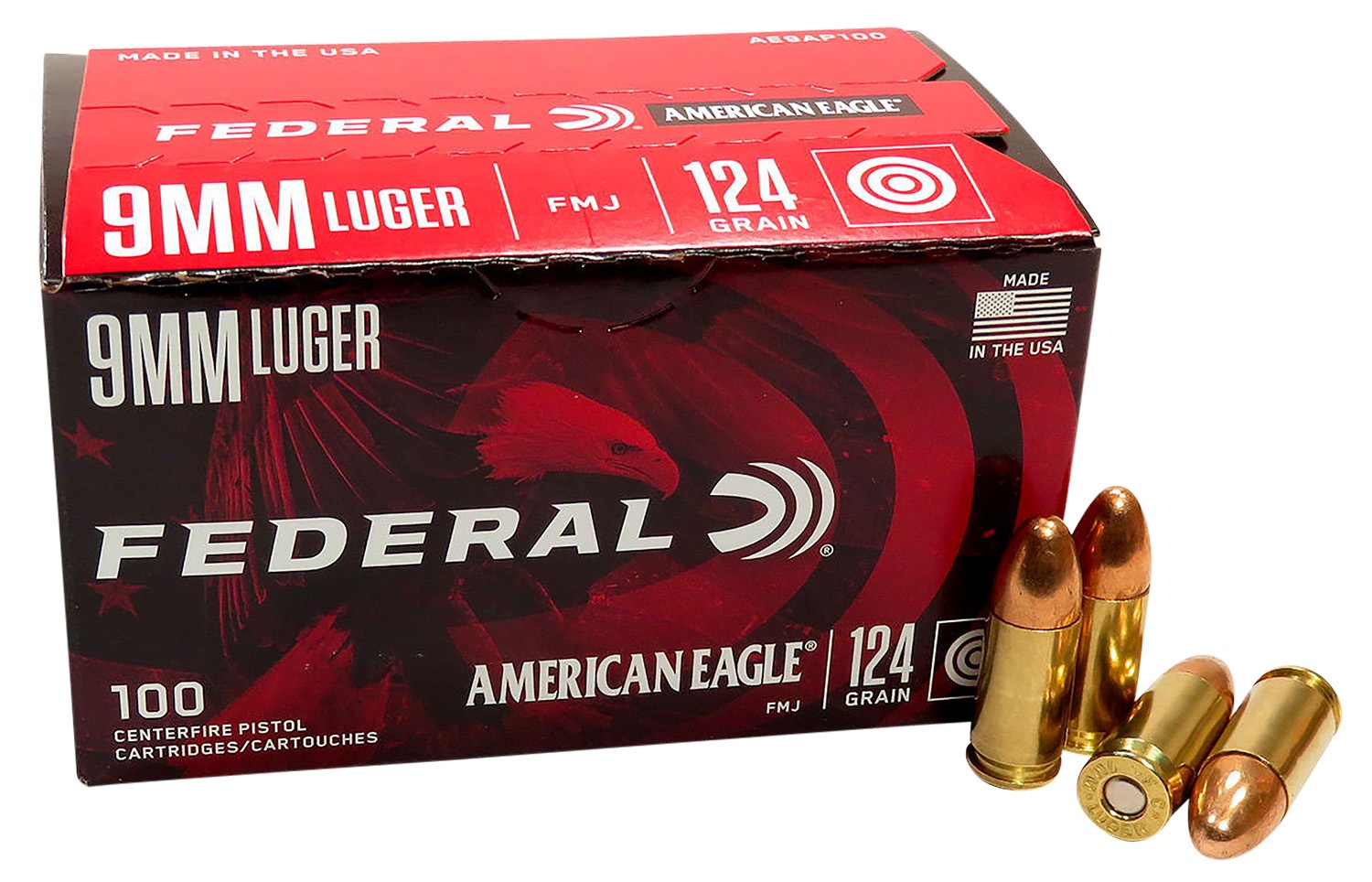
FEDERAL AMERICAN EAGLE 9MM LUGER AMMO 124GR FMJ BRASS CASED 100RD BOX
124gr FMJ · 100rd
$32.39$0.32/rdIn stock
Out of stock
FederalFEDERAL AMERICAN EAGLE 9MM LUGER AMMO 147GR FMJ-FN BRASS CASED 50RD BOX
147gr FMJ · 50rd
$17.27$0.35/rdCurrently unavailable
Out of stock
FederalFEDERAL CHAMPION 9MM LUGER AMMO 115GR FMJ BRASS CASED 200RD BOX
115gr FMJ · 200rd
$59.39$0.30/rdCurrently unavailable
Out of stock
FederalFEDERAL CHAMPION 9MM LUGER AMMO 115GR PLATED FMJ BRASS CASED 500RD LOOSE PACK
115gr Plated · 500rd
$140.39$0.28/rdCurrently unavailable
Out of stock
FederalFEDERAL CHAMPION 9MM LUGER AMMO 124GR PLATED FMJ BRASS CASED 200RDS
124gr Plated · 200rd
$59.39$0.30/rdCurrently unavailable
- Federal
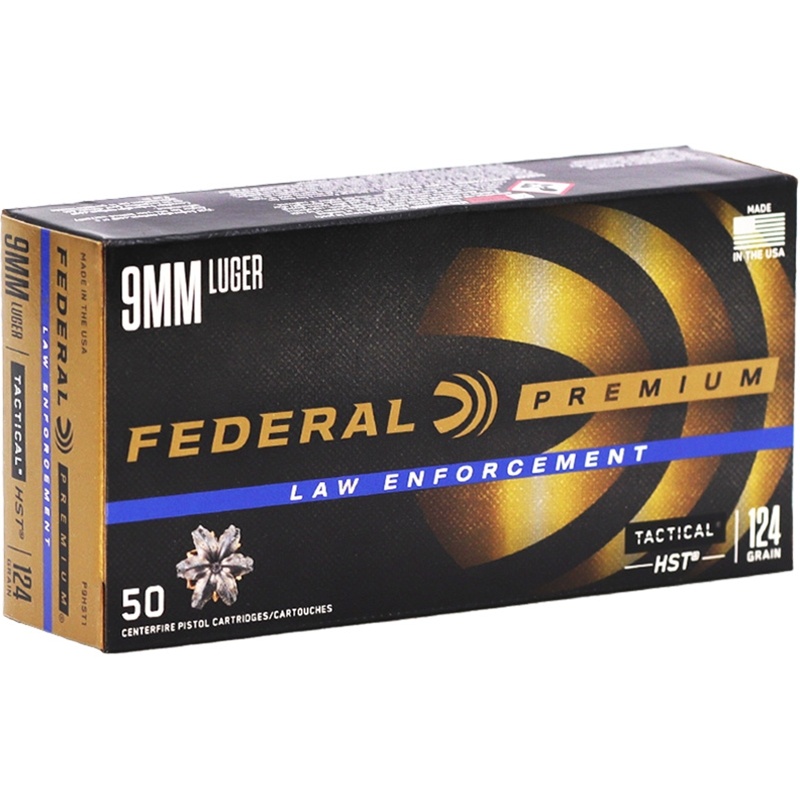
FEDERAL HST 9MM LUGER 124GR JHP NICKEL PLATED BRASS 50RD BOX
124gr JHP · 50rd
Also in 250rd, 750rd, 1000rd
$31.31$0.63/rdIn stock
- Federal
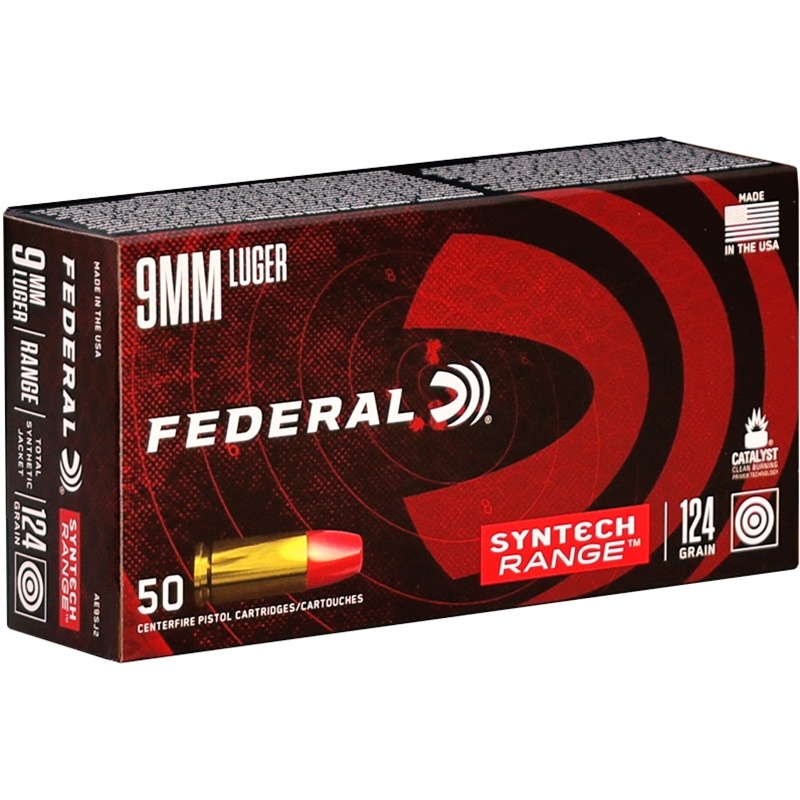
FEDERAL SYNTECH 9MM LUGER AMMO 124GR BRASS CASED TSJFN 50RD BOX
124gr 50rd
Also in 500rd, 1000rd
$20.51$0.41/rdIn stock
- Federal
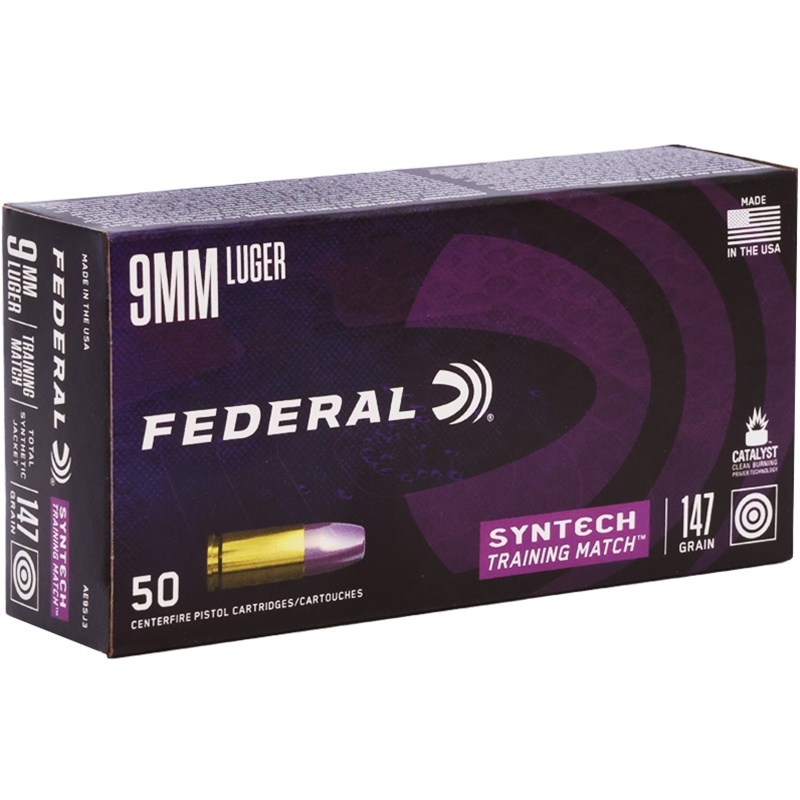
FEDERAL SYNTECH 9MM LUGER AMMO 147GR TSJ (BALISTICALLY MATCH TO HST ) 50RD BOX
147gr 50rd
$22.89$0.46/rdIn stock
9mm Luger loads compared
Manufacturer-published figures for the 9mm Luger we stock, each with the page it was read from. Muzzle velocity is measured in a test barrel and differs from what your firearm produces. Ordered by published velocity, highest first. These are not measured the same way. Some of these manufacturers publish the test barrel and some do not, so two velocities here can come from different barrel lengths. Compare rows with the same stated barrel and treat the rest as approximate.
Only loads whose figures we have read from the manufacturer appear here. A load we stock but have not sourced is absent rather than shown blank, because an empty row reads as a worse product rather than an unfinished one.
Before you buy
What to know about 9mm Luger
What people buy it for
- High-volume range practice and dry-fire follow-up
- USPSA, IDPA and Steel Challenge competition
- Concealed carry and home defense
- Duty and agency qualification
- Suppressed pistol shooting with subsonic 147gr
- Pistol-caliber carbines
115, 124 or 147 grain
Lighter bullets leave the muzzle faster and give a sharper, snappier recoil impulse; heavier bullets are slower and push rather than snap. 147gr is loaded subsonic, which is why it is the default behind a suppressor and why many shooters prefer it for a flatter-feeling recovery between shots. Most inexpensive range ammunition is 115gr; most duty and defensive loads are 124 or 147. If your pistol has adjustable or fixed sights regulated for a particular weight, that is worth knowing before you buy a case.
+P is a real pressure standard, +P+ is not
+P is a SAAMI-defined higher-pressure loading. Most modern service-size pistols are rated for it, but small, light or older guns may not be, and a steady diet of it accelerates wear on any of them. Check the manual rather than the internet. "+P+" has no SAAMI specification at all: it means whatever the maker decided it means, which is a reason to be conservative about what you feed a carry gun.
Brass, steel and aluminium cases
Steel-case 9mm is the cheapest way to shoot volume and runs fine in most modern pistols. The catch is not your gun, it is the range: many indoor ranges prohibit steel case because they sell reclaimed brass, and some steel-case ammunition uses a bi-metal jacket that is magnetic and unwelcome on steel targets. Aluminium case sits in between: cheap, non-reloadable, generally permitted. If you reload, only brass is worth buying.
FMJ for volume, JHP for carry, and test both
Full metal jacket is for practice and costs a fraction of anything else. A defensive hollow point should be bought in enough quantity to prove it feeds in your specific pistol and magazines before it goes into the gun you carry: a box of fifty is the minimum honest test, not five rounds through the chamber.
Questions
Common questions
Is 9mm Luger the same as 9x19, 9mm Parabellum and 9mm NATO?
9mm Luger, 9x19mm and 9mm Parabellum are three names for one cartridge; they are completely interchangeable. 9mm NATO is that same case loaded to a military specification that runs closer to commercial +P pressure, so treat it as +P. What is not the same: 9mm Makarov (9x18), .380 ACP (9x17), 9mm Largo and 9mm Browning Long. None of those belong in a 9mm Luger chamber.
What is the difference between 115, 124 and 147 grain 9mm?
Bullet weight, and with it the character of the recoil. 115gr is fast and snappy and usually the cheapest. 124gr is the middle ground and what a great many duty loads use. 147gr runs subsonic at standard pressure, which makes it the choice for suppressed shooting and gives a slower push instead of a sharp jolt. All three work; buy a box of each and shoot them before you buy a case.
Will steel-case ammunition damage my pistol?
In a modern, healthy 9mm pistol, no. Steel case is harder and does not seal the chamber quite as well as brass, which means more fouling, but it is not a gun-killer. The practical problem is access: a lot of indoor ranges ban steel case outright, either to protect their brass revenue or because bi-metal jackets are magnetic. Check the range rules before you buy a thousand rounds of it.
How much 9mm should I buy at once?
Price per round drops meaningfully between a fifty-round box and a thousand-round case, and 9mm stores essentially indefinitely in a cool, dry place in its original packaging. The sensible pattern is a case of whatever practice load your pistol likes, plus a smaller quantity of your chosen defensive load bought in the same lot. Every price on this page carries its cost per round beside it so the comparison is one glance rather than a calculator.
How much does 9mm Luger cost per round?
9mm Luger runs from $0.25 to $2.29 per round in stock right now. Every price on the page carries its cost per round beside it, so the comparison is one glance rather than arithmetic.
Is it cheaper to buy 9mm Luger by the case?
Usually, yes. We stock 9mm Luger from 12 rounds up to 1,500, and the cost per round beside each price is what shows whether a particular case actually beats the box. It is not automatic: a discounted box sometimes wins.
Which brands of 9mm Luger do you stock?
CCI, DoubleTap, Federal, Fiocchi, Fort Scott Munitions, Hornady, Liberty Ammunition, Magtech, MaxxTech, PMC, Remington, Sellier & Bellot, SIG Sauer, SIM-X, Speer, SuperNova, Underwood and Winchester are in stock in 9mm Luger today. Stock changes as the feed runs, so the list on the page is the current one.
What bullet weights does 9mm Luger come in?
The 9mm Luger in stock runs 45, 50, 55, 68, 72, 80, 100, 115, 119, 124, 125, 135, 138, 140, 145, 147 grain. Weight changes how the round feels and where it prints more than most shooters expect, so it is worth matching what you already shoot.
How much energy does 9mm Luger carry?
The 9mm Luger loads we have manufacturer figures for run 309 to 364 ft-lb at the muzzle. Those are the manufacturers' own published numbers, each linked to the page it was read from, and they are measured in test barrels that are not always the same length.
Is 9mm Luger in stock?
55 of the 79 9mm Luger products we list are in stock right now. Out of stock items stay on the page rather than disappearing, so a link you saved still works and you can see what normally sits here.