Ammunition
Handgun Ammo
Handgun ammunition divides cleanly into two jobs that most people buy for at the same time: cheap full-metal-jacket ammunition to practise with in volume, and a much smaller quantity of a defensive load that has been proven to feed in the specific pistol that will carry it. The practice ammunition should be bought on price per round; the defensive ammunition should be bought on evidence and then tested. Everything else (bullet weight, case material, +P or standard pressure) follows from which of those two you are shopping for.
- Winchester
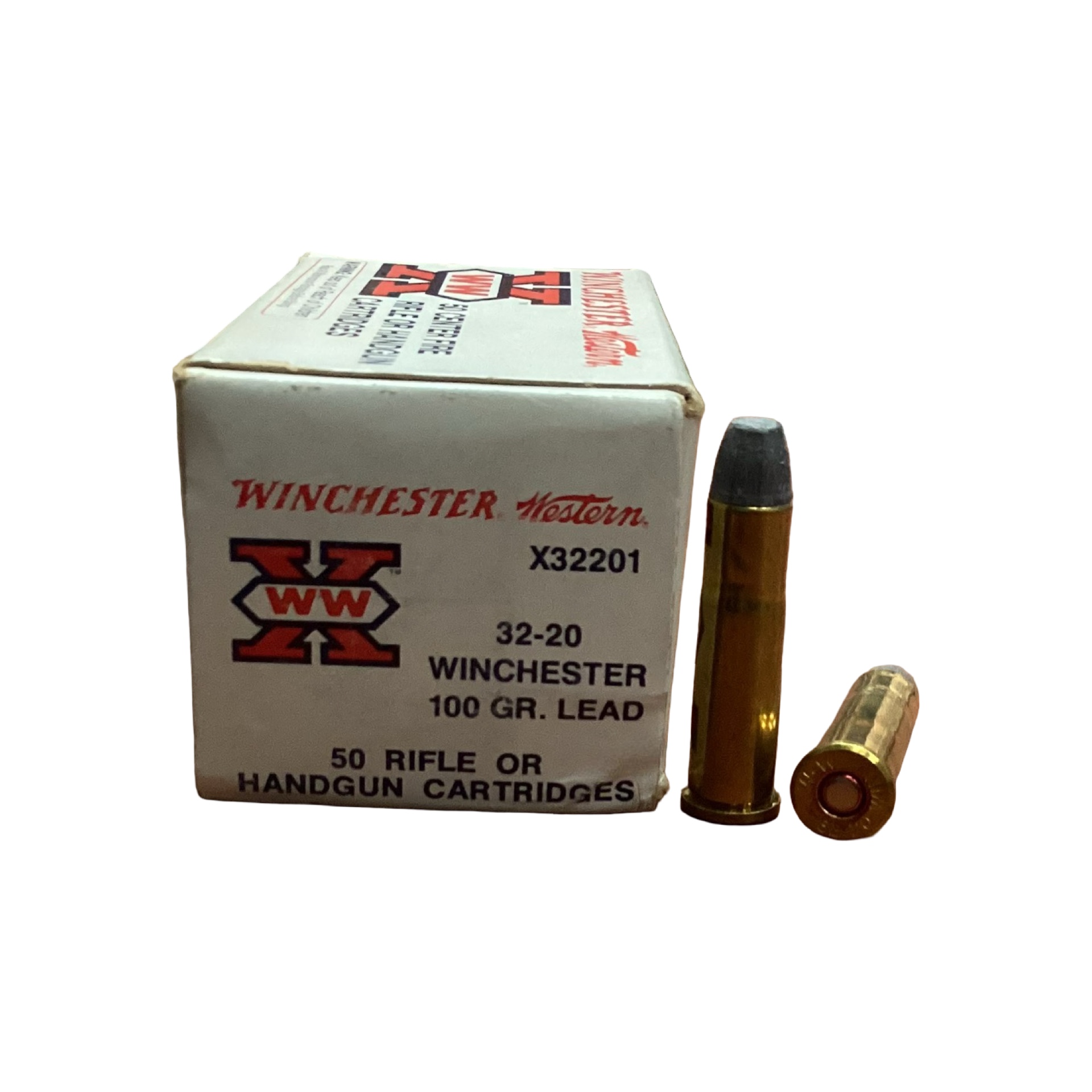
.32-20 Win - Winchester Super X 100 Grain Lead (X32201)- 50 Round Box
100gr 50rd
$135.00$2.70/rdIn stock
- PMC
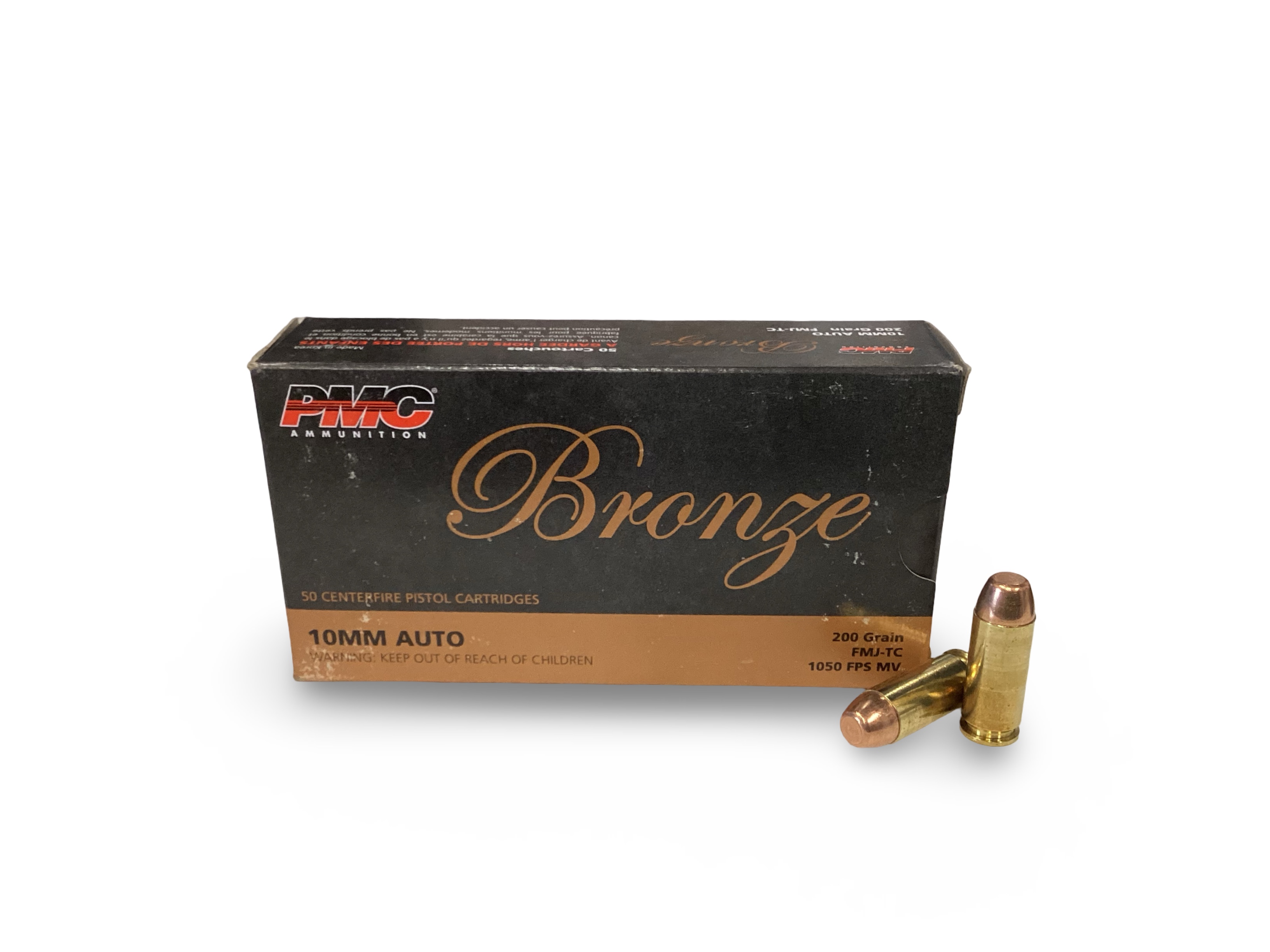
10 mm Auto - PMC Bronze Ammo 200 Grain FMJ-TC (10A) - 50 Round Box
200gr 50rd
Also in 200rd
$30.77$0.62/rdIn stock
Out of stock
Winchester10MM - Winchester Supreme Black Talon Ammo 200 Grain SXT (S10MM) - 20 Round Box
200gr Hollow Point · 20rd
$124.20$6.21/rdCurrently unavailable
Out of stock
PMC357 Magnum - PMC Bronze (357A) 158gr Jacketed Soft Point - 50 Per Box
158gr Jacketed Soft Point · 50rd
$31.31$0.63/rdCurrently unavailable
- Speer
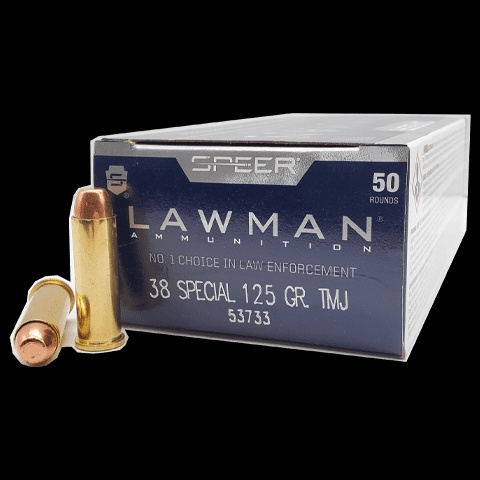
38 Special - Speer Lawman 125 Grain Total Metal Jacket Ammo (53733)- 50 Round Box
125gr FMJ · 50rd
Also in 200rd, 500rd, 1000rd
$26.46$0.53/rdIn stock
- Federal
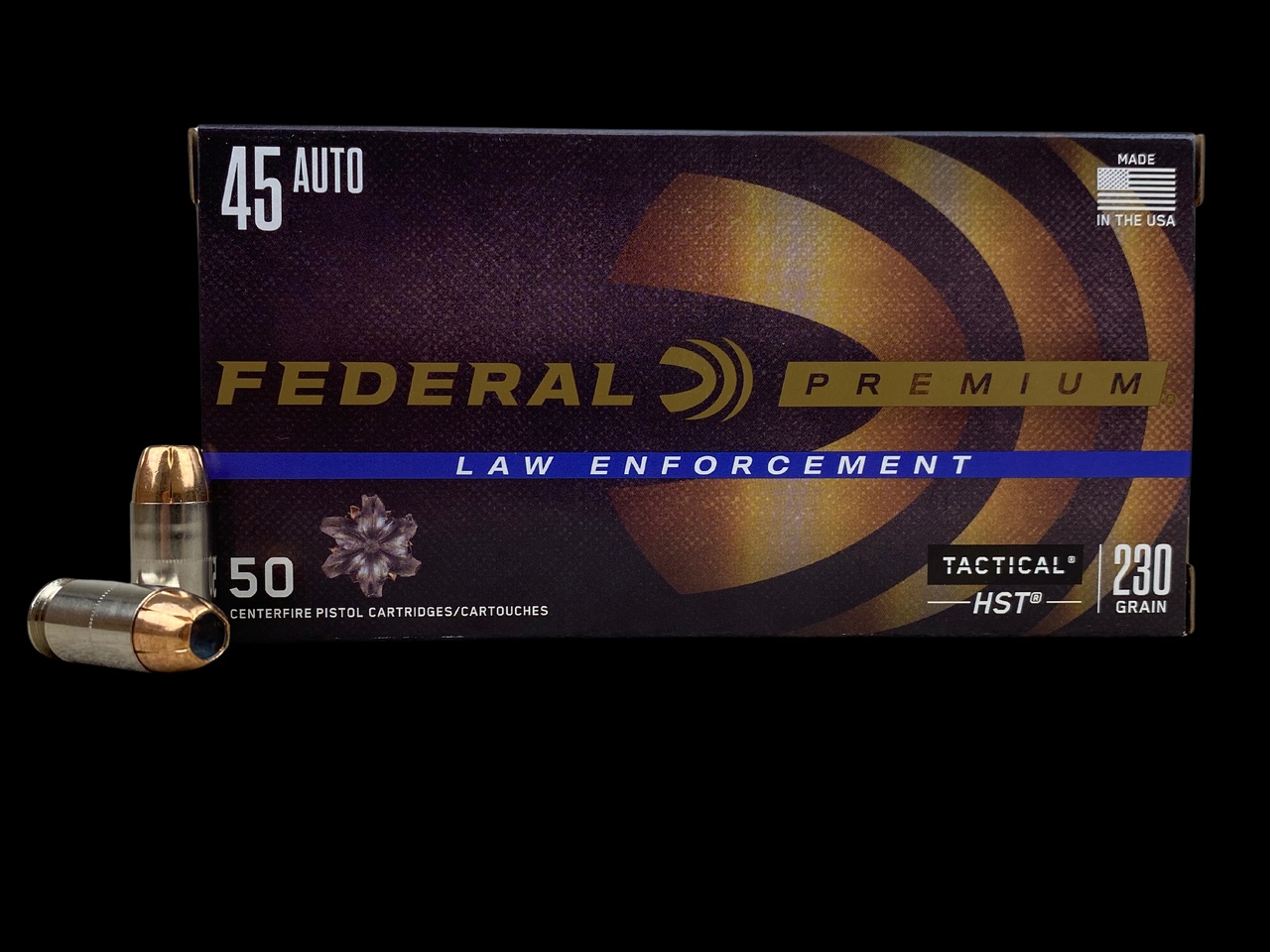
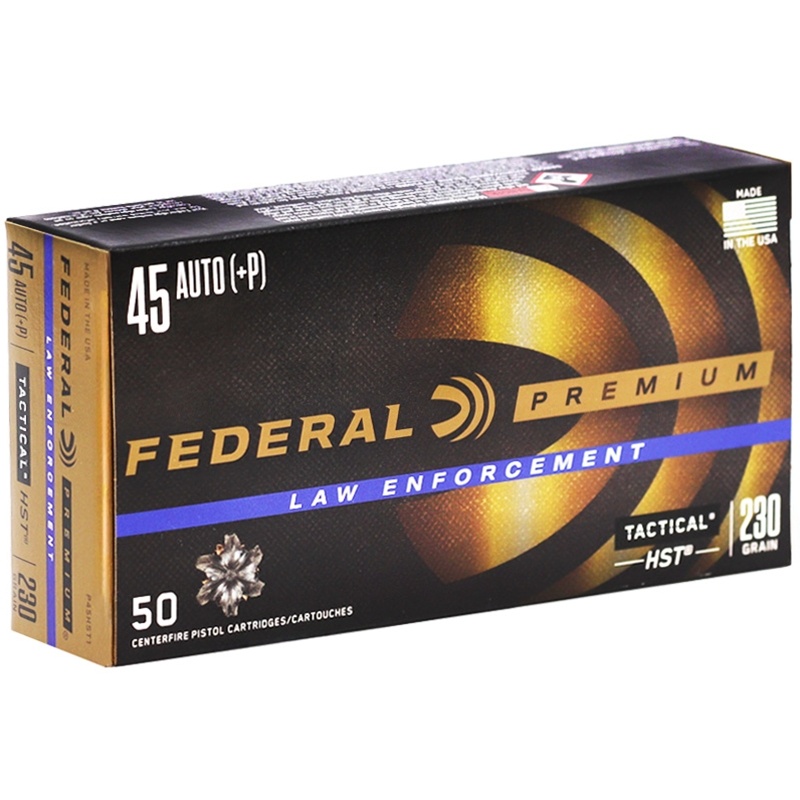
45 ACP - Federal Premium 230gr LE HST Tactical Jacketed Hollow Point - 50 Rounds
230gr Hollow Point · 50rd
Also in 200rd, 500rd, 1000rd
$32.40$0.65/rdIn stock
- Federal
45 ACP - Federal Premium LE +P 230 Grain Hollow Point (P45HST1) - 50 Round Box
230gr Hollow Point · 50rd
Also in 200rd, 500rd, 1000rd
$32.40$0.65/rdIn stock
- PMC
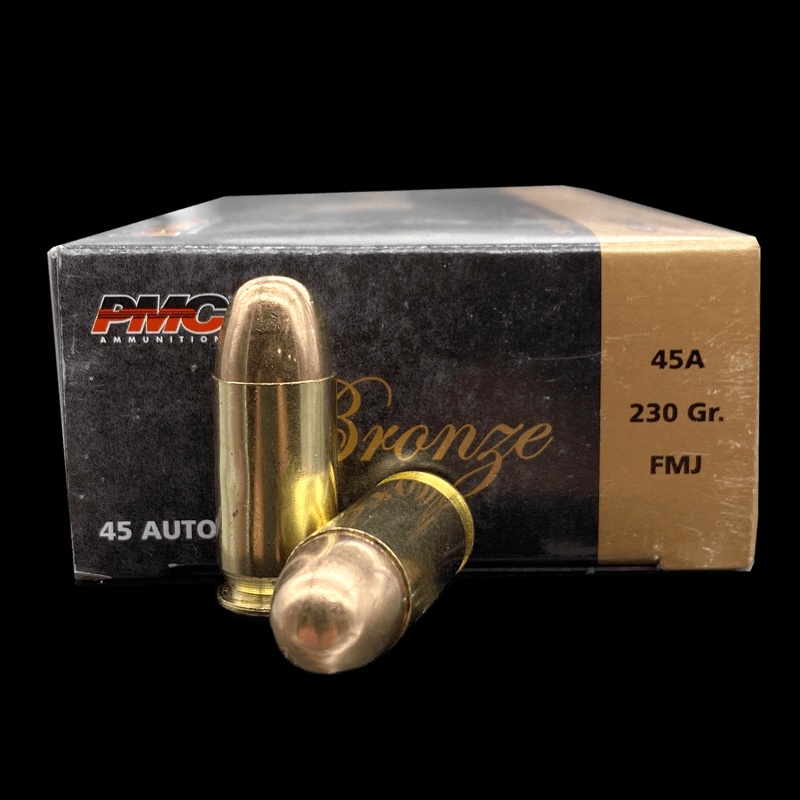
45 ACP - PMC Bronze (45A) 230gr Full Metal Jacket - 50 Per Box
230gr FMJ · 50rd
Also in 200rd, 500rd, 1000rd
$24.30$0.49/rdIn stock
- FN
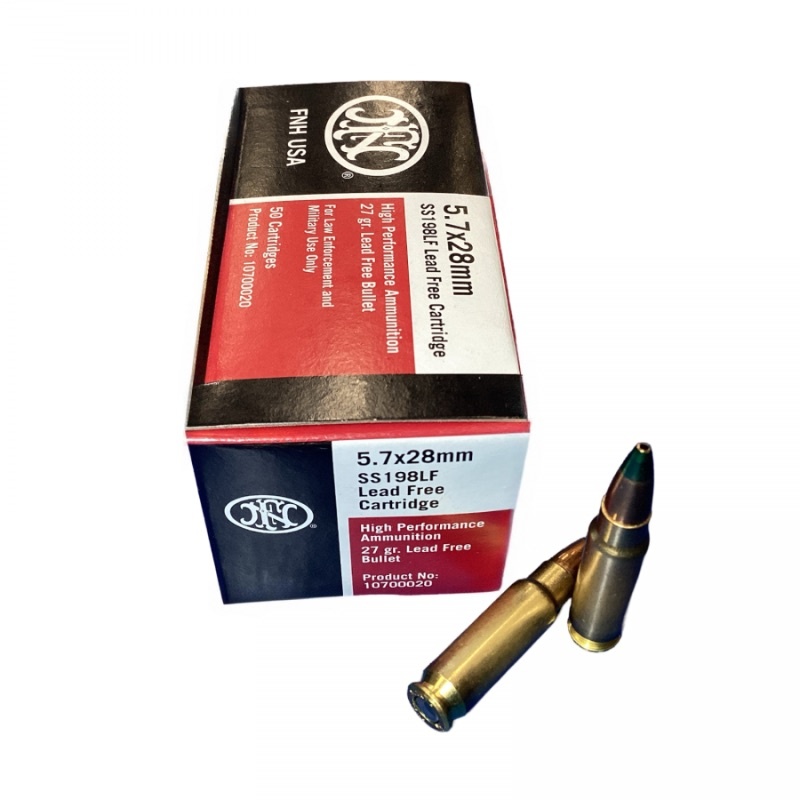
5.7x28mm - FN 27gr Green Tip Lead Free Hollow Point SS198LF - 50 Rounds
27gr Hollow Point · 50rd
Also in 200rd, 500rd
$40.93$0.82/rdIn stock
- PMC
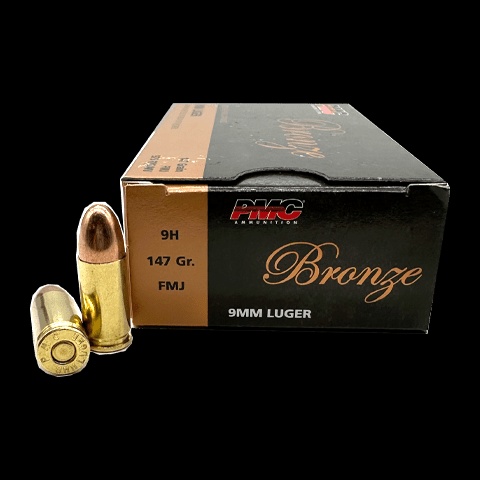
9mm Luger - PMC Subsonic (9H) 147gr Full Metal Jacket - 50 Per Box
147gr FMJ · 50rd
Also in 200rd, 500rd, 1000rd
$15.11$0.30/rdIn stock
Out of stock
ArmscorAarmscor 22TCM AMMO 40gr JHP BRASS CASED 50rd Box
40gr JHP · 50rd
$26.99$0.54/rdCurrently unavailable
Out of stock
Ammo IncAmmo Inc 10mm AMMO 180gr JHP Brass Signature Series 20rd Box
180gr JHP · 20rd
$18.35$0.92/rdCurrently unavailable
Out of stock
Ammo IncAmmo Inc 44 Special AMMO 220gr TMC Brass Cased 50rd Box
220gr 50rd
$37.75$0.76/rdCurrently unavailable
Out of stock
ArmscorArmscor 22 TCM AMMO 40GR JHP Nickel Plated Brass 100rd Box
40gr JHP · 100rd
$51.83$0.52/rdCurrently unavailable
- Bannerman
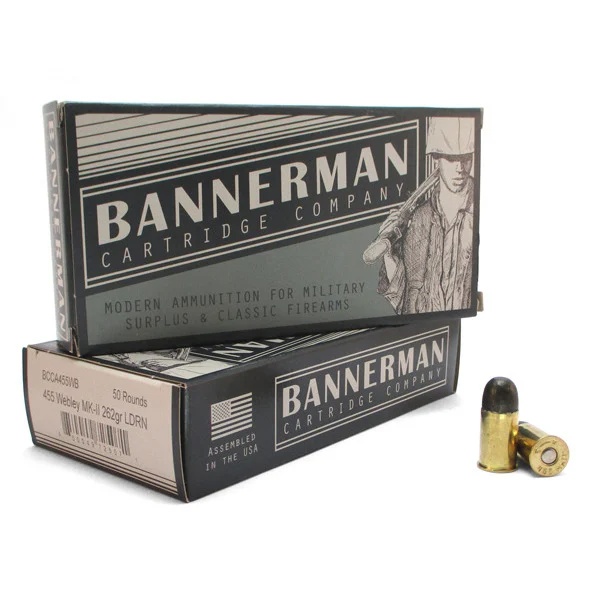
Bannerman 455 Webley MK-II AMMO 262gr LDRN 50rd Box
262gr Lead Round Nose · 50rd
$63.70$1.27/rdIn stock
- Barnes
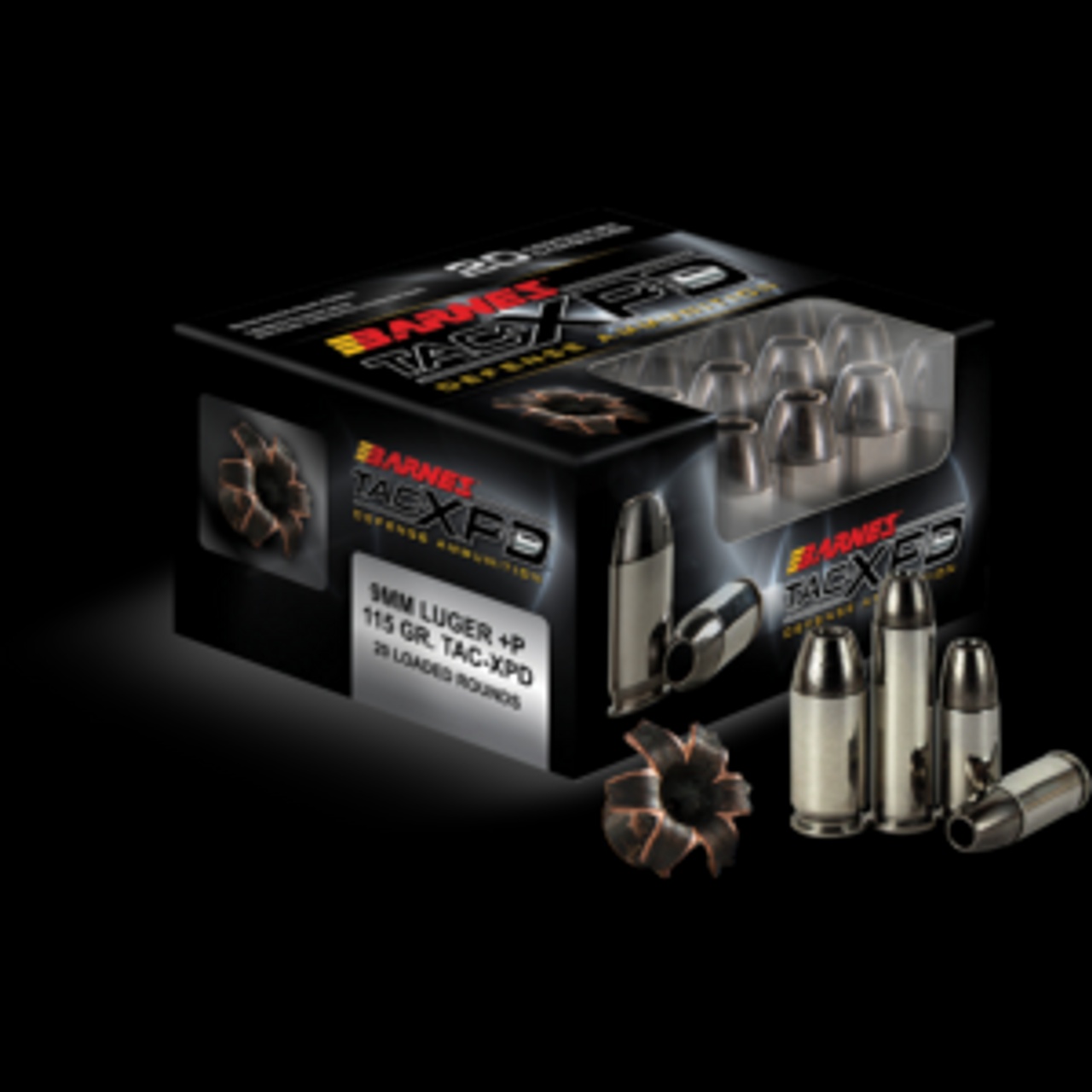
Barnes TAC-XPD 380 ACP AMMO 80gr Lead Free 20rd Box
80gr 20rd
Also in 400rd
$26.99$1.35/rdIn stock
- Barnes
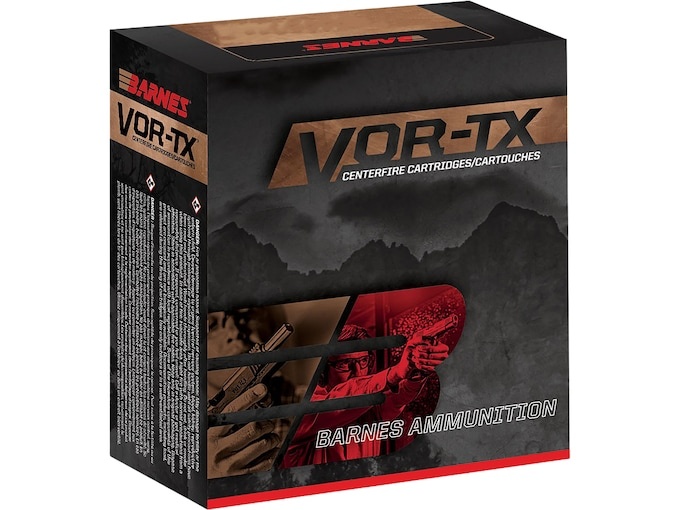
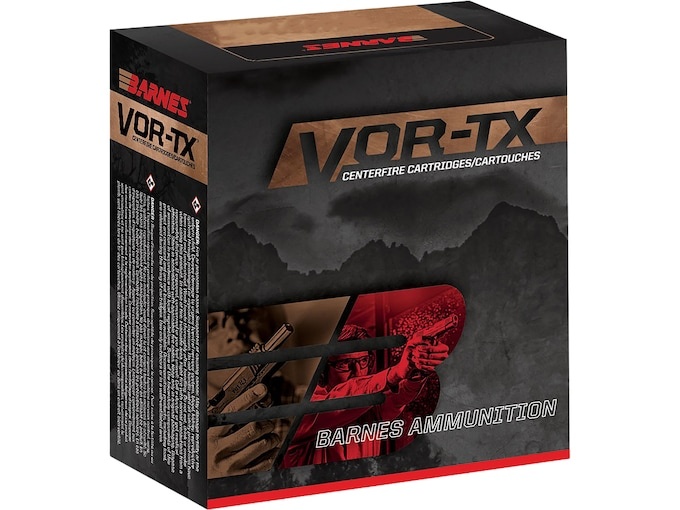
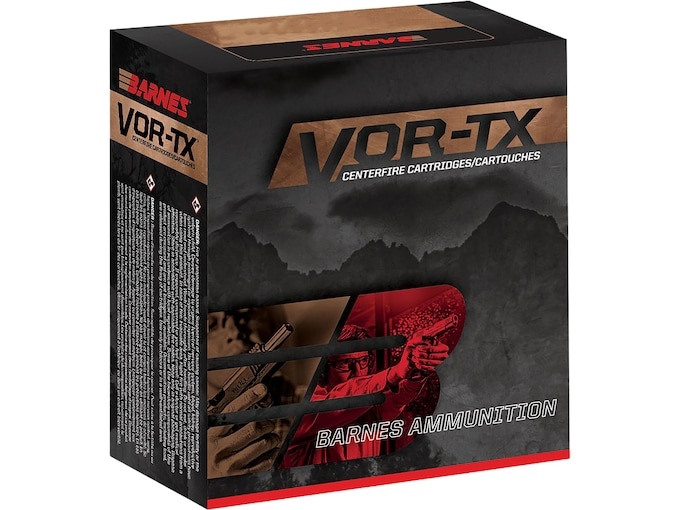
Barnes VOR-TX 45 Auto AMMO 185gr Copper Hollow Point TAC-XP Brass Cased 20rd Box
185gr 20rd
$30.23$1.51/rdIn stock
- CCI
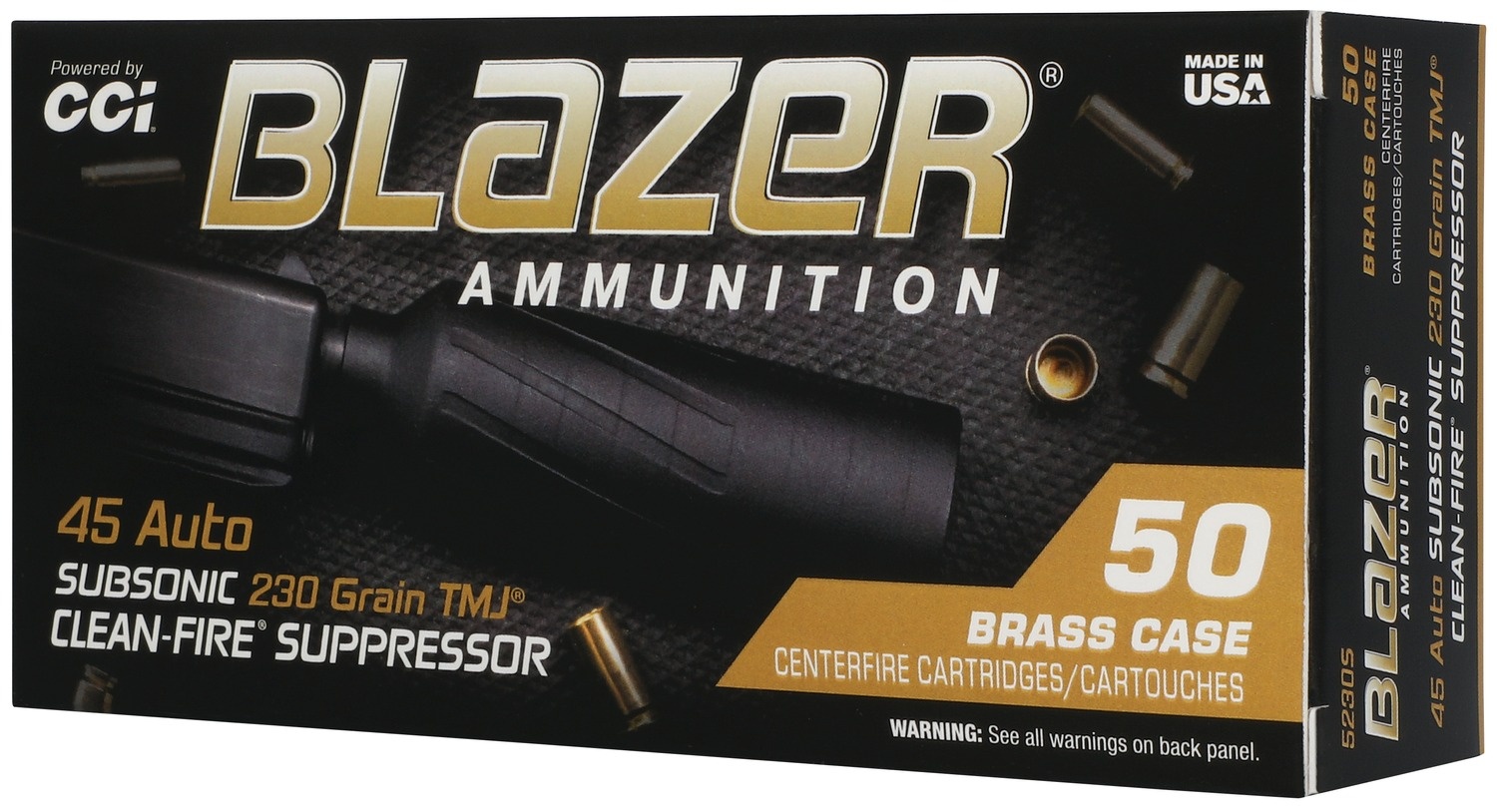
BLAZER 45ACP AMMO 230GR TMJ BRASS CASED CLEAN-FIRE SUBSONIC SUPPRESSOR 50RD BOX
230gr TMJ · 50rd
Also in 500rd
$29.12$0.58/rdIn stock
Out of stock
CCIBLAZER 9MM LUGER AMMO 115GR FMJ BRASS CASED 100RD BOX
115gr FMJ · 100rd
$29.15$0.29/rdCurrently unavailable
- CCI
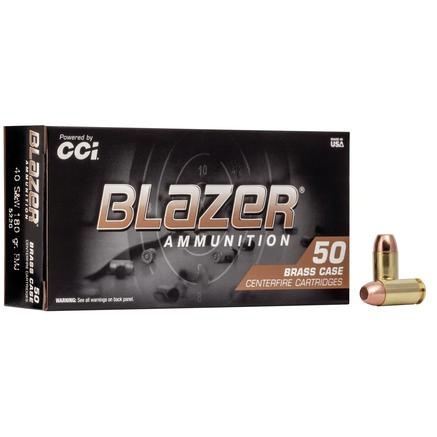
BLAZER BRASS 40 S&W AMMO 180GR PLATED FMJ BRASS CASED 50RD BOX
180gr FMJ · 50rd
Also in 250rd, 500rd
$19.43$0.39/rdIn stock
Out of stock
BrowningBROWNING 9MM LUGER 115GR FMJ BRASS CASED 50RD BOX
115gr FMJ · 50rd
$14.03$0.28/rdCurrently unavailable
Before you buy
What to know about handgun ammo
What people buy it for
- Concealed carry and home defense
- USPSA, IDPA and Steel Challenge competition
- Duty carry and agency qualification
- High-volume range practice and training classes
- Handgun hunting and woods carry in the magnum cartridges
Buy practice ammunition by the case, carry ammunition by the box
Price per round falls sharply between a fifty-round box and a thousand-round case, and modern handgun ammunition stores for many years in a cool, dry place in its original packaging. Defensive ammunition is different: you want enough to prove it functions (a full box through the actual gun and magazines is the minimum honest test) plus what you carry, ideally from the same lot.
+P has a definition, +P+ does not
+P is a SAAMI-standardised higher-pressure loading, and most modern service-size handguns are rated for it while many small, light and older ones are not. "+P+" carries no published standard at all. When a manual is silent on +P, standard pressure is the safe default, and practising with standard pressure is easier on both the gun and the shooter.
Case material decides where you can shoot
Brass is reloadable and universally accepted. Steel and aluminium are cheaper and non-reloadable, and steel case in particular is banned at a great many indoor ranges: sometimes to protect brass reclamation revenue, sometimes because bi-metal jackets are magnetic and damage backstops. Check your range's rules before ordering a case of the cheapest thing on the page.
Every load shoots to a slightly different place
Bullet weight, velocity and even the maker change where a pistol prints at fifteen yards, and fixed sights are regulated around one particular weight. If you switch practice loads to save money, confirm the zero. If you switch carry loads, confirm it twice.
Questions
Common questions
How much practice ammunition should I buy at once?
As much as you will actually shoot within a reasonable horizon: the per-round saving from a case is real, and factory handgun ammunition stored dry and cool lasts far longer than most people's shooting schedules. Every listing here prints the cost per round beside the price precisely so a box-versus-case decision is a glance rather than a calculation.
Do I need hollow points for the range?
No. Hollow points cost several times what FMJ does and offer nothing on paper or steel. Buy inexpensive FMJ for volume, then buy enough of your chosen defensive load to confirm it feeds and to know where it hits. That is the split almost every experienced shooter uses.
Why is handgun ammunition 21+ when rifle ammunition is 18+?
Federal law sets 21 for ammunition other than that for a rifle or shotgun, and a cartridge suitable for use in a handgun is treated as handgun ammunition regardless of what it is fired from. We apply that reading strictly, which means cartridges commonly chambered in both (.22 LR, .223, 5.56, .300 Blackout, 7.62x39, .22 WMR, .17 HMR and .410) are 21+ here as well.