Ammunition
Rimfire Ammo
Rimfire is where most shooters start and where the cheapest useful practice lives. The priming compound sits inside the rim of the case rather than in a separate primer, which makes the cartridges inexpensive to manufacture, impossible to reload, and manufactured to looser tolerances than anything centerfire. That last point explains most of what is odd about buying rimfire: rifles have strong individual preferences between brands and even between lots, cheap bulk ammunition will not always cycle a semi-automatic, and occasional duds are simply part of the deal.
Out of stock
Aguila.22 LR Aguilla Super Extra Hollow Points 38 Grains (1B220335) - 50 Round box
38gr 50rd
$4.37$0.087/rdCurrently unavailable
Out of stock
Hornady.22 WMR – Hornady Critical Defense 45 Grain FTX (83200) – 50 Round Box
45gr 50rd
$15.11$0.30/rdCurrently unavailable
Out of stock
Winchester.22 WMR (MAG) - Winchester Super-X 40 grain FMJ (X22M) - 50 Round Box
40gr FMJ · 50rd
$11.87$0.24/rdCurrently unavailable
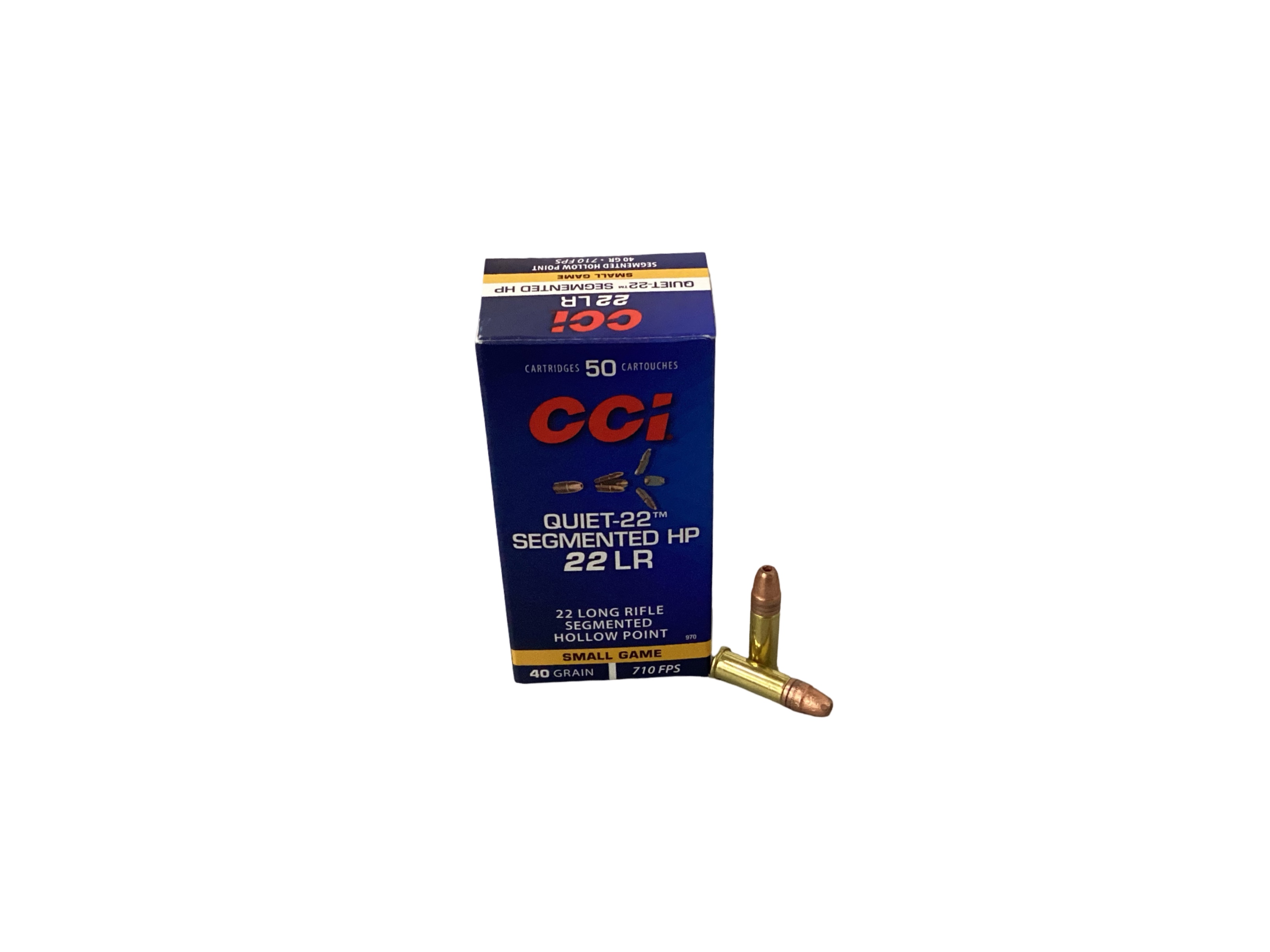
- CCI
.22LR - CCI Segmented Hollow Point 40 Grain "Quiet" (970) - 50 Round Box
40gr 50rd
$9.71$0.19/rdIn stock
Out of stock
CCI.22LR - CCI subsonic 40 Grain Hollow Points #56 - 100 Round Box
40gr 100rd
$11.78$0.12/rdCurrently unavailable
Out of stock
Remington22 LR - Remington Thunderbolt 40 Grain lead Round Nose (R21271) - 525 Round Box
40gr Lead Round Nose · 525rd
$35.55$0.068/rdCurrently unavailable
Out of stock
Winchester22LR - Winchester 333 36 Grain hollow Point (22LR333HP) - 333 round box
36gr Hollow Point · 333rd
$24.30$0.073/rdCurrently unavailable
Out of stock
AguilaAguila 22LR AMMO 40gr Copper Solid Point Interceptor 50rd Box
40gr 50rd
$9.71$0.19/rdCurrently unavailable
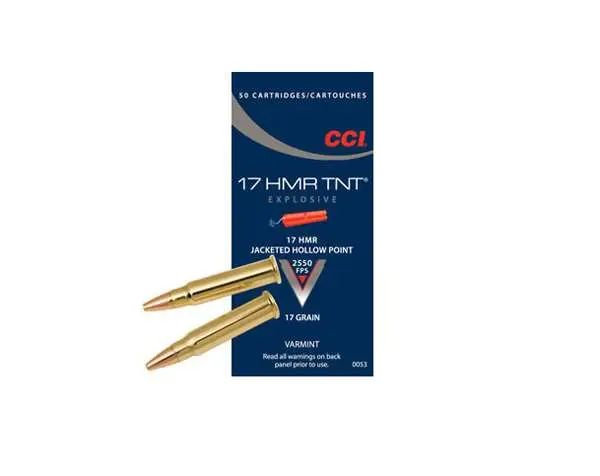
- CCI
CCI 17 HMR Ammo VARMINT TNT 17GR (JHP) 50RD BOX
17gr JHP · 50rd
Also in 500rd
$18.35$0.37/rdIn stock
Out of stock
CCICCI 22 CB Short Ammo 29 gr Lead Round Nose 0026 Specialty (LRN) 100RD BOX
29gr Lead Round Nose · 100rd
$12.95$0.13/rdCurrently unavailable
Out of stock
CCICCI 22 LR Ammo 40 gr Copper-Plated Round Nose 0030 Target & Plinking Mini-Mag 100RD BOX
40gr Plated · 100rd
$10.79$0.11/rdCurrently unavailable
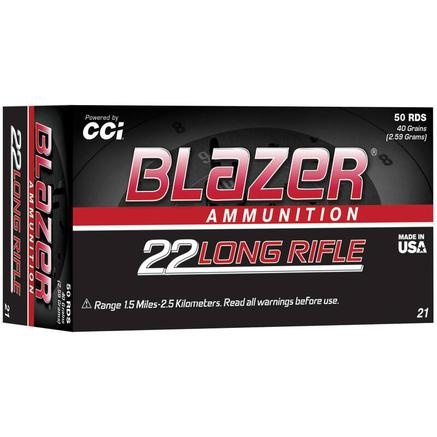
- CCI
CCI 22 LR Ammo 40 gr Lead Round Nose 0021 Blazer High Velocity (LRN) 50RD BOX
40gr Lead Round Nose · 50rd
Also in 500rd
$4.86$0.097/rdIn stock
- CCI
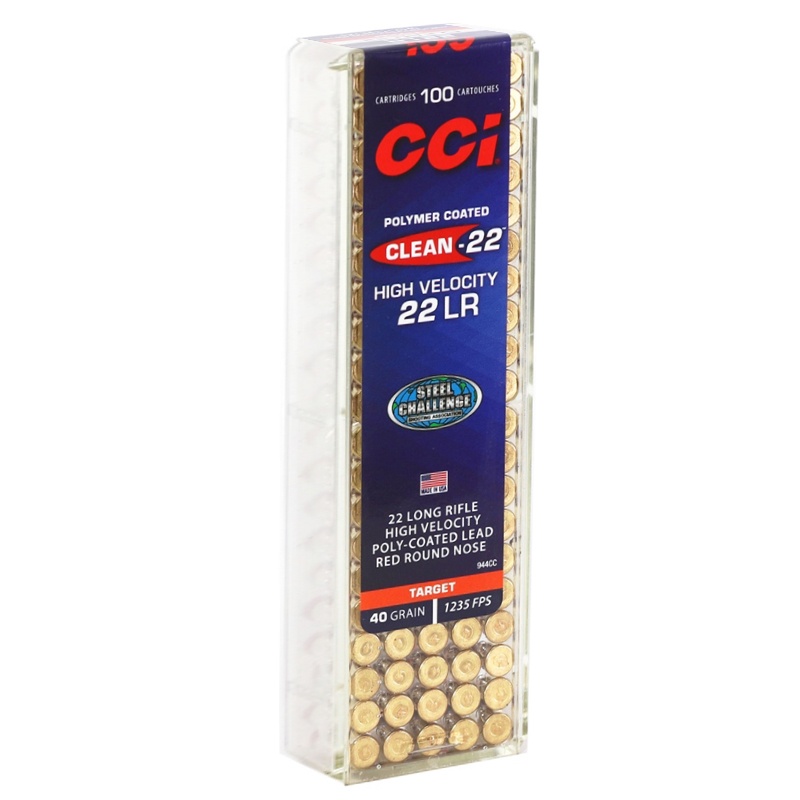
CCI 22 LR AMMO 40gr Lead Round Nose 944CC Clean-22 High Velocity Poly-Coated 100rd box
40gr 100rd
$11.98$0.12/rdIn stock
- CCI
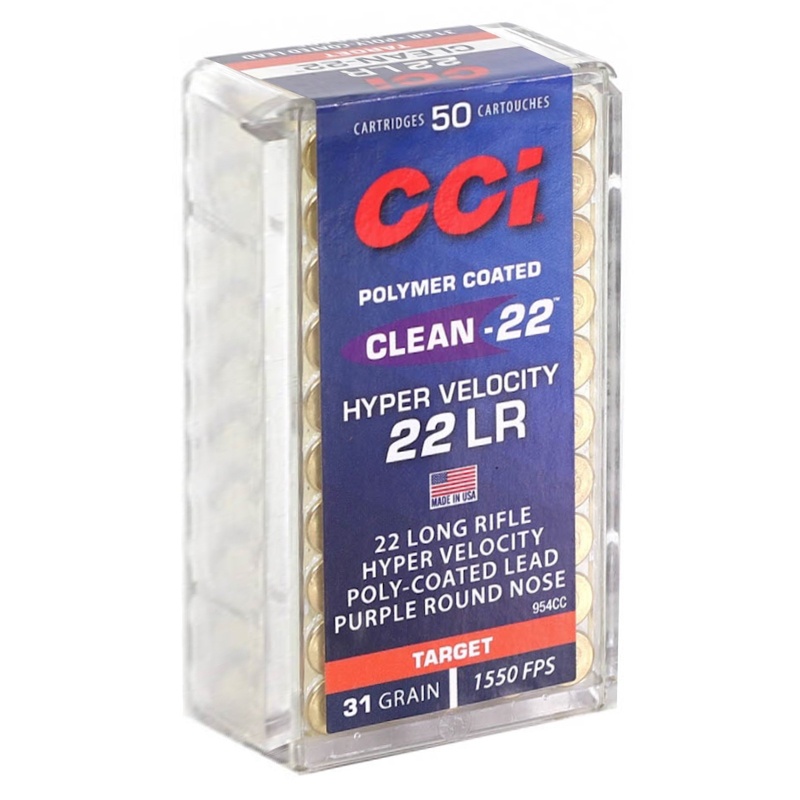
CCI 22 LR ammo HYPER VELOCITY CLEAN -22 PURPLE 31GR LN AMMO 50RD BOX
31gr 50rd
Also in 500rd
$8.63$0.17/rdIn stock
- CCI
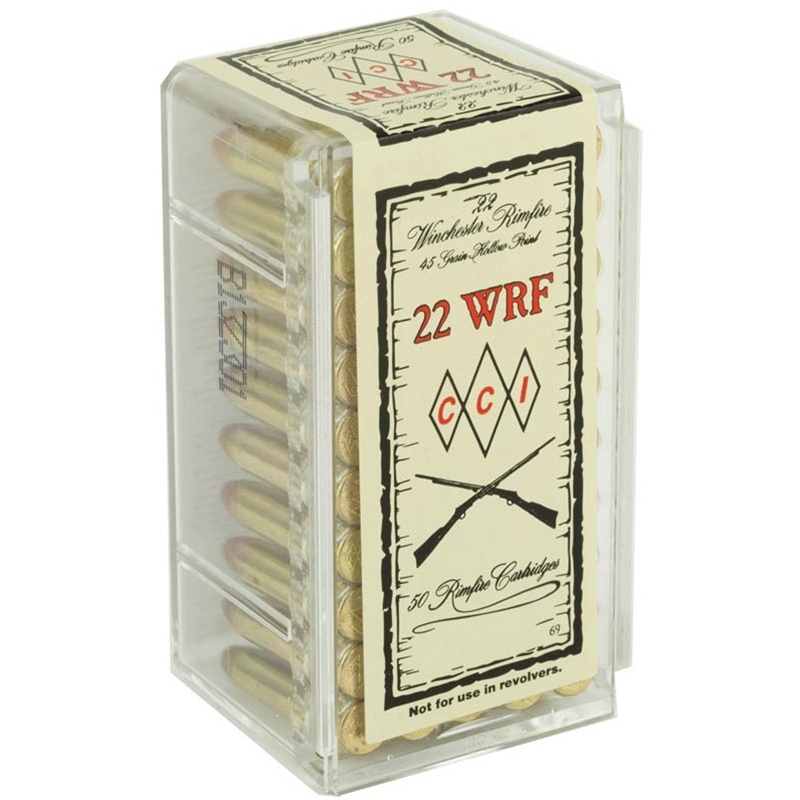
CCI 22 WRF (WINCHESTER RIMFIRE ) AMMO 45GR JHP BRASS CASED 50RD BOX
45gr JHP · 50rd
Also in 500rd
$16.19$0.32/rdIn stock
- CCI
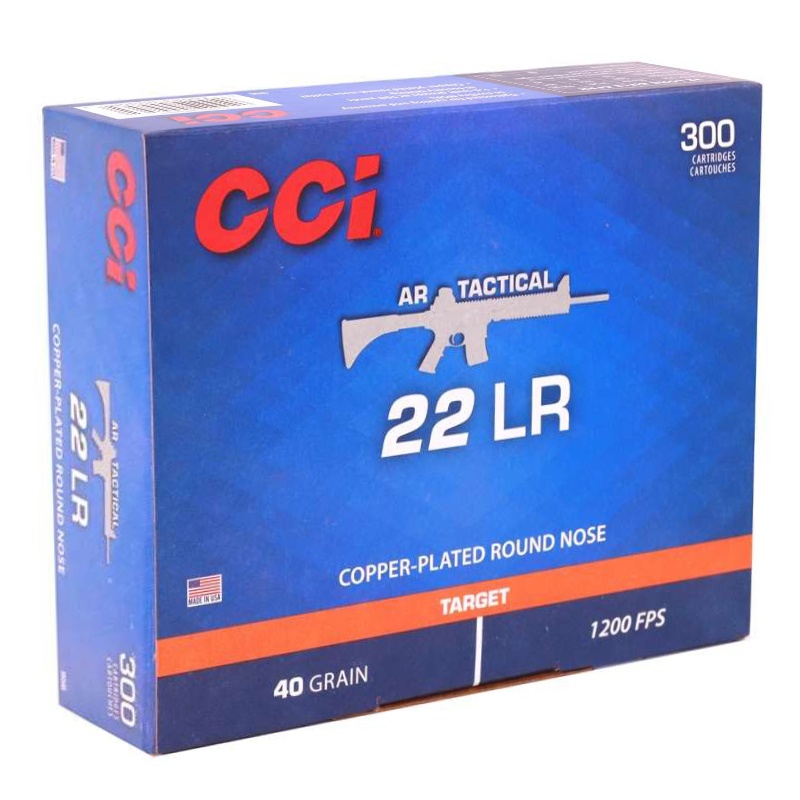
CCI 22LR AMMO AR Tactical 40gr Copper-Plated Round Nose 956 Target & Plinking 300rd
40gr 300rd
Also in 3000rd
$34.55$0.12/rdIn stock
- CCI
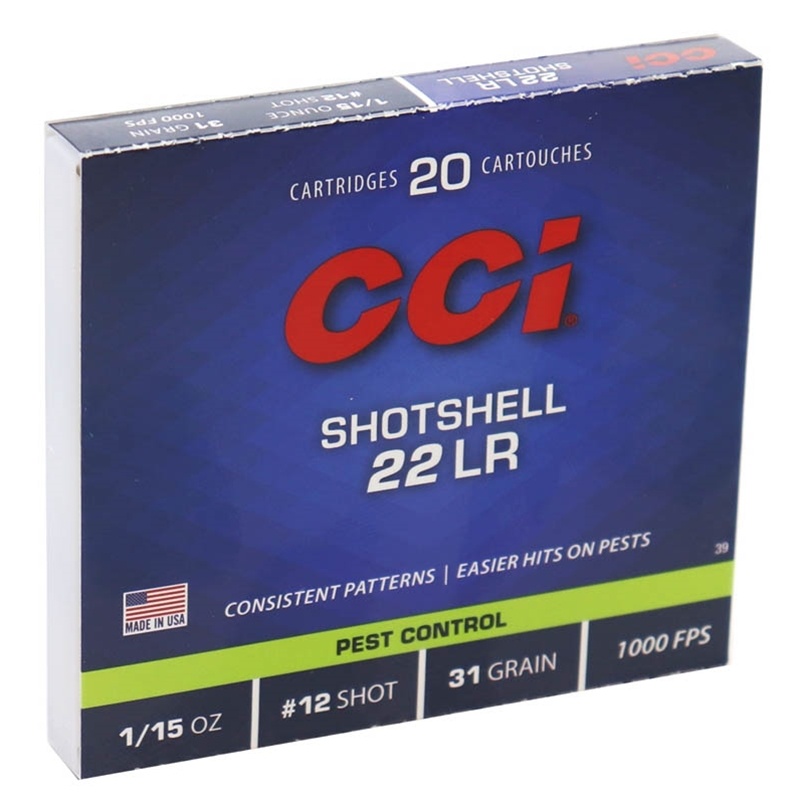
CCI 22LR AMMO PEST CONTROL SHOTSHELL 22LR #12 SHOT 20RD BOX
31gr 20rd
Also in 200rd
$10.79$0.54/rdIn stock
- CCI
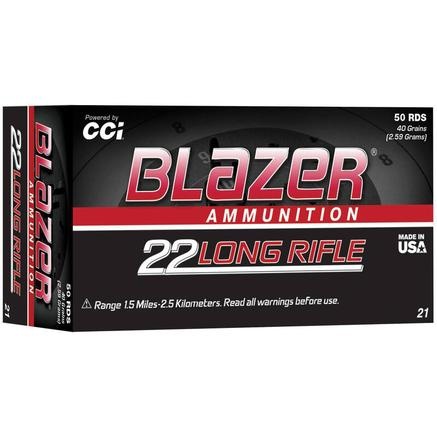
CCI BLAZER 22LR 40GR LRN 1235FPS 5000RD CASE
40gr Lead Round Nose · 5000rd
$453.59$0.091/rdIn stock
- CCI
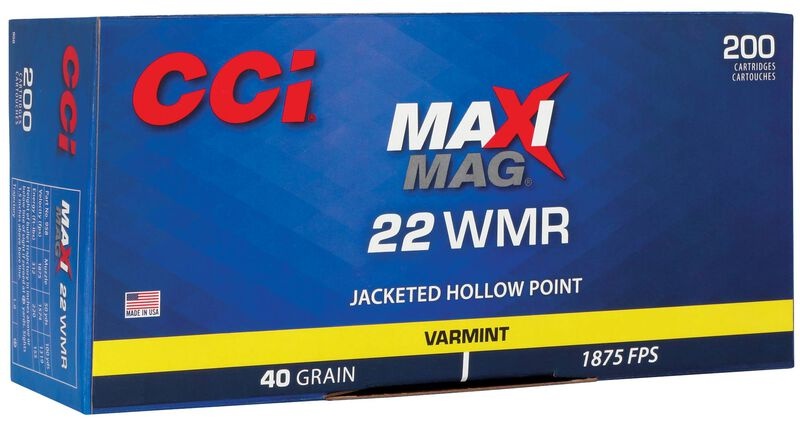
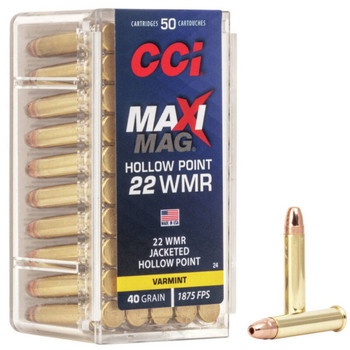
CCI MAXI MAG 22 WMR AMMO 40GR JACKETED HOLLOW POINT BRASS CASED 200RD BOX
40gr JHP · 200rd
$63.70$0.32/rdIn stock
Before you buy
What to know about rimfire ammo
What people buy it for
- Teaching new shooters at minimal cost per round
- High-volume plinking and steel practice
- Small game hunting and pest control
- Rimfire benchrest and precision rimfire competition
- Suppressed shooting with subsonic .22 LR
High velocity cycles semi-autos; standard velocity often does not
Most .22 semi-automatics are simple blowback designs sprung around high-velocity ammunition. Standard-velocity, subsonic and some inconsistent bulk packs do not generate enough energy to work the action, giving failures to eject that look like a broken gun and are not. For a 10/22 or a .22 pistol, buy 36 to 40gr high-velocity. Save the quiet stuff for bolt actions and suppressors.
The three rimfire cartridges do not interchange
.22 LR, .22 WMR and .17 HMR are separate cartridges. .22 WMR uses a larger case than .22 LR (a .22 LR round in a .22 WMR chamber sits loose and can rupture), and .17 HMR is that magnum case necked down to .17. Some revolvers ship with two cylinders to shoot .22 LR and .22 WMR; that is the only correct way to do it.
Individual rifles have opinions
Two rifles off the same line can prefer different brands, and the same rifle can shoot one lot better than the next. This is normal for rimfire manufacturing tolerances. Serious .22 shooters buy several boxes, test them, then buy a quantity of whichever won, and note the lot number.
Rimfire is dirty and cannot be reloaded
Lubricated lead bullets foul faster than jacketed centerfire ammunition, particularly in a semi-automatic action. Plated and coated bullets help. And because the priming is spun into the rim during manufacture, there is no primer pocket and every case is a consumable, which is exactly why cost per round is the number that matters most in this category.
Questions
Common questions
Why won't my semi-automatic .22 cycle the bulk pack I bought?
Because blowback actions need a minimum amount of energy and inexpensive bulk ammunition is often loaded below it, particularly standard-velocity and subsonic loads. Switch to 36 to 40 grain high-velocity ammunition and most of these failures disappear. A fouled chamber and tired magazine lips are the next two things to check.
Can rimfire ammunition be reloaded?
No. The priming compound is distributed inside the case rim during manufacture and the rim is crushed by the firing pin, so there is no primer pocket to reprime and no way to restore the case. Every rimfire case is single-use, which makes the per-round price the whole comparison in this category.
Why is .22 LR 21+ when it is mostly shot out of rifles?
Because federal law treats ammunition suitable for use in a handgun as handgun ammunition regardless of what the buyer intends to fire it from, and .22 LR is chambered in a very large number of handguns. We apply the stricter reading deliberately: over-restricting costs a sale, under-restricting is a federal violation. The same applies to .22 WMR and .17 HMR.