Ammunition
Rifle Ammo
Rifle ammunition spans a wider range of purpose than anything else in this catalog. The same shelf holds thousand-round cases of bulk 5.56 bought purely on cost per round, hunting cartridges chosen for how a specific bullet behaves on a specific animal, and match ammunition manufactured and lot-tested to a completely different standard. Buying well means being clear about which of those three you are doing, and then paying attention to two things the box does not always tell you: your barrel's twist rate, and whether your chamber is cut for the pressure of the round you are about to put in it.
- Hornady
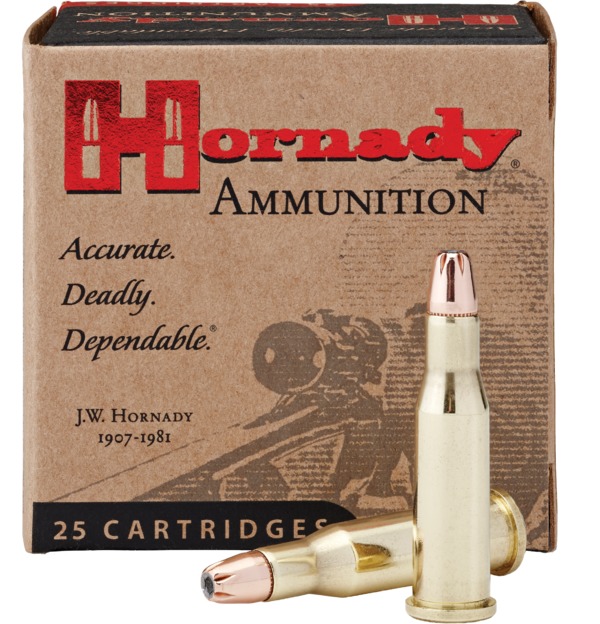
.218 BEE - Hornady Custom 45 Grain Hollow Point (8307) - 100 Rounds
45gr Hollow Point · 25rd
Also in 100rd
$45.24$1.81/rdIn stock
- Fiocchi
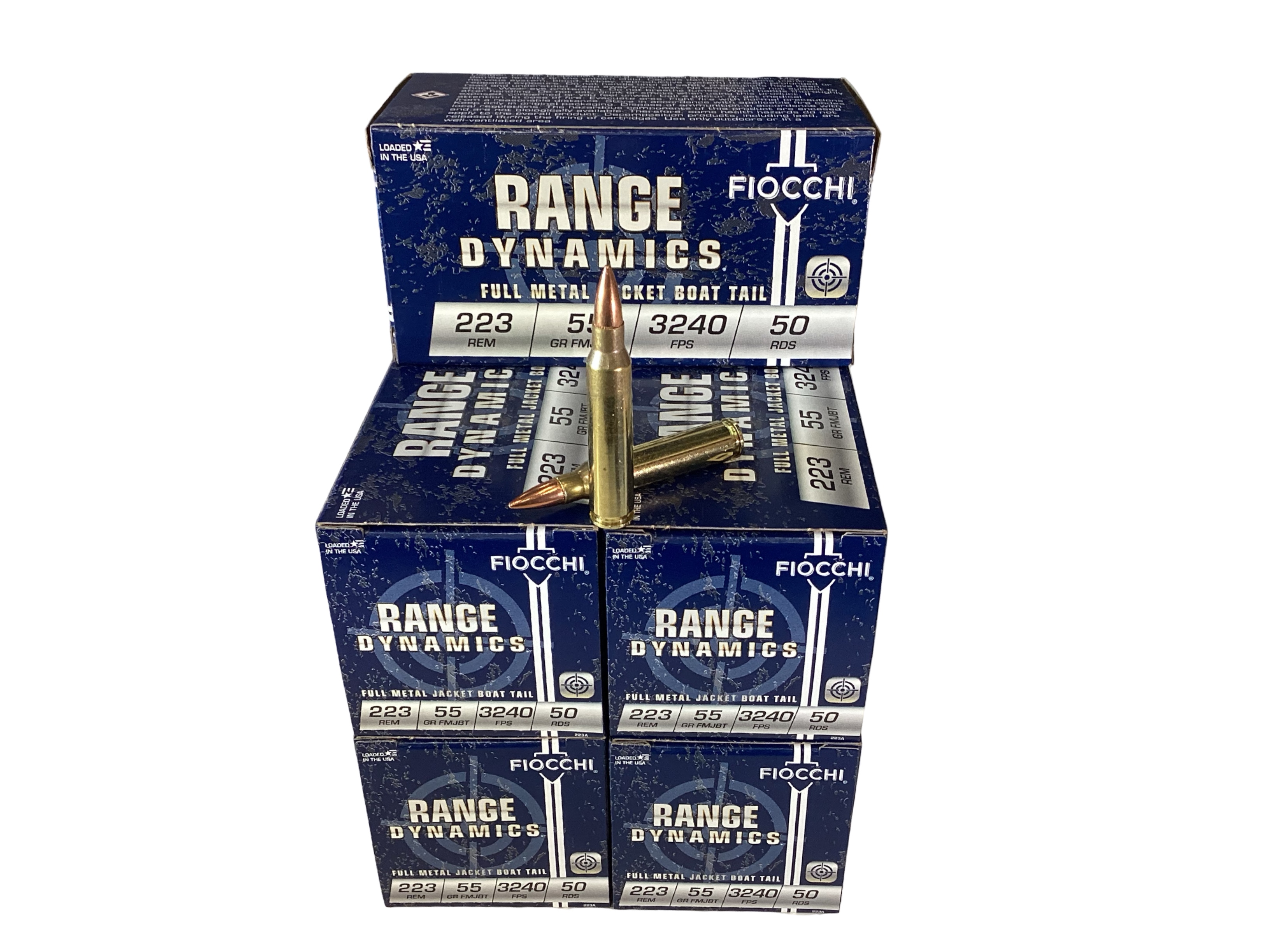
.223 Remington - Fiocchi 55 Grain Full Metal Jacket (223A) - 50 Round Box
55gr FMJ · 250rd
$132.30$0.53/rdIn stock
Buy 4, get a free gift
Federal.223 Remington – Federal Premium 55 Grain Soft Point “Law Enforcement” (LE223T1) – 20 Round Box
55gr 20rd
Also in 200rd
$20.54$1.03/rdIn stock
Out of stock
Federal.243 Winchester - Federal Premium Power-Shok 100 Grain Jacketed Soft Point (243B) - 20 Round Box
100gr Jacketed Soft Point · 20rd
$26.99$1.35/rdCurrently unavailable
Out of stock
Prvi Partizan.243 Winchester - Prvi Partizan (PPU) 90 Grain Soft Point - 20 Round Box
90gr Soft Point · 20rd
$22.29$1.11/rdCurrently unavailable
Out of stock
Remington.243 Winchester, Remington High Performance, 80 Grain, PSP -27800- 20 Round box
80gr Pointed Soft Point · 20rd
$24.84$1.24/rdCurrently unavailable
Out of stock
Remington.25-20 Winchester - Remington Core-Lokt 86 Grain Soft Point (28364) - 50 Round Box
86gr Soft Point · 50rd
$81.00$1.62/rdCurrently unavailable
Out of stock
Winchester.25-35 Winchester - Western SUPER X 117 grain SOFT POINT - 17 round box
117gr Soft Point · 17rd
$59.40$3.49/rdCurrently unavailable
- Remington
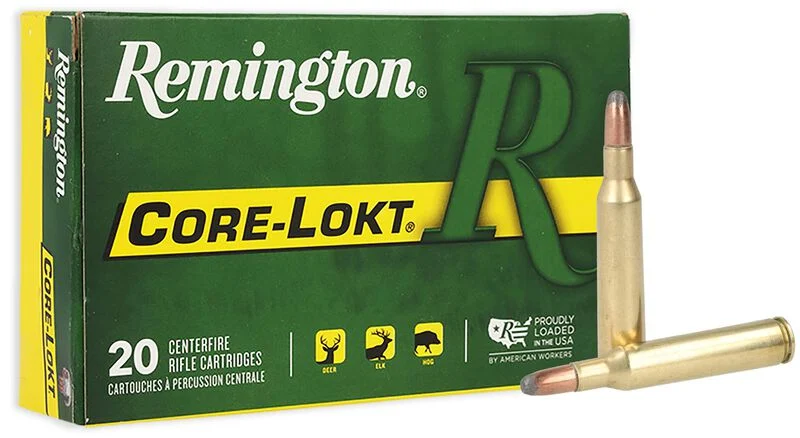
.257 Roberts - Remington CoreLokt 117 Grain Soft Point Centerfire (28335) - 20 Rounds
117gr Soft Point · 20rd
$48.85$2.44/rdIn stock
Out of stock
Winchester.257 Roberts - Winchester Ammunition SUPER-X Rifle Roberts +P 117 Grain Power-Point Centerfire -X257P3- 20 Round Box
117gr 20rd
$68.04$3.40/rdCurrently unavailable
Out of stock
Federal.270 Winchester - Federal Premium POWER-SHOK 130 Grain Jacketed Soft Point Brass Cased Centerfire Rifle Ammo -270A- 20 Rounds
130gr Jacketed Soft Point · 20rd
$24.57$1.23/rdCurrently unavailable
Out of stock
Winchester.284 Winchester - Winchester Western SuperX 150 Grain PowerPoint - 20 Round Box
150gr Jacketed Soft Point · 20rd
$135.00$6.75/rdCurrently unavailable
Out of stock
Federal.30-06 Springfield - Federal Power-Shok 180 GR Soft Point - 3006B - 20 Rounds
180gr Soft Point · 20rd
$24.57$1.23/rdCurrently unavailable
Out of stock
Hornady.30-06 Springfield - Hornady Outfitter 180 GR Copper Alloy CX Bullet / Nickel-Plated Casing - 811644 - 20 Rounds
180gr 20rd
$41.40$2.07/rdCurrently unavailable
- Prvi Partizan
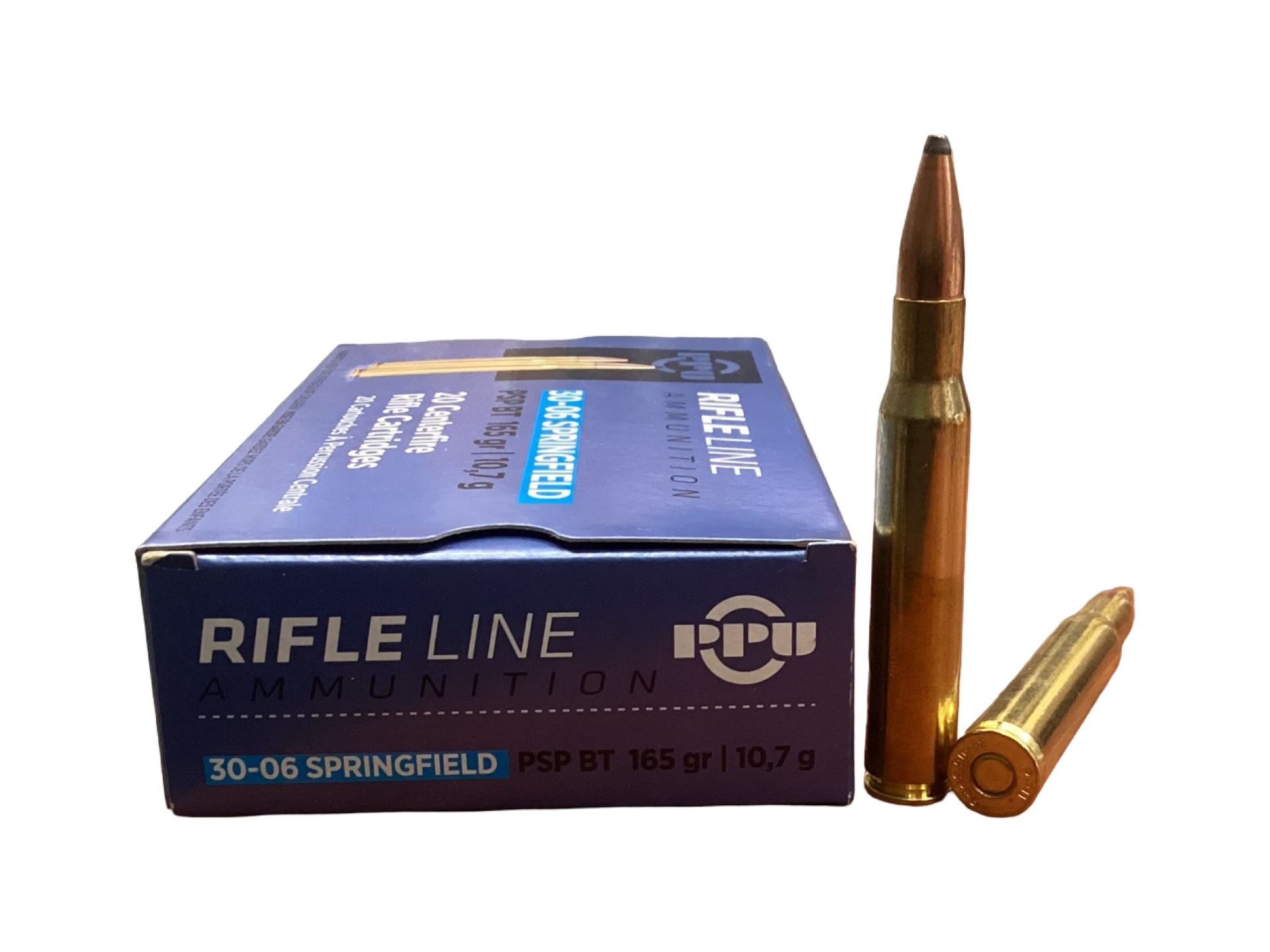
.30-06 Springfield - PPU 165 Gr Soft Point (PP30062) 20 Round Box
165gr Soft Point · 20rd
$24.30$1.22/rdIn stock
Out of stock
Prvi Partizan.30-06 Springfield - Prvi Partizan (PPU) 150 Grain Soft Point -PP30061- 20 Round Box
150gr Soft Point · 20rd
$23.75$1.19/rdCurrently unavailable
- Remington
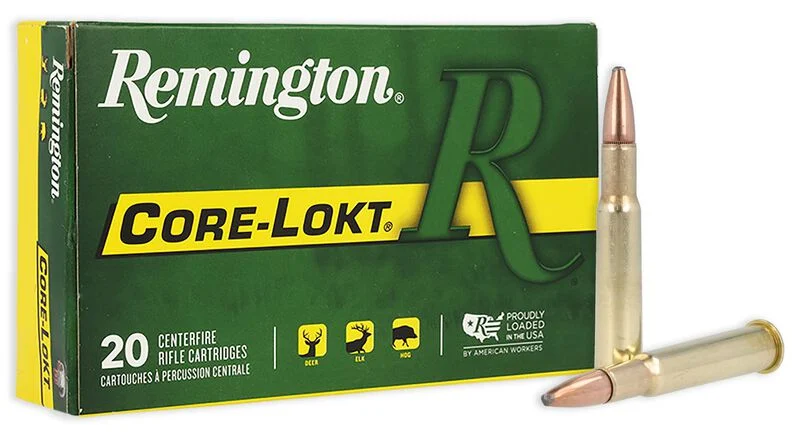
.30-40 KRAG - Remington 180 Grain Core-Lokt Soft Point -R30402- 20 Round Box
180gr 20rd
$56.16$2.81/rdIn stock
Out of stock
Freedom Munitions.300 AAC Blackout - Freedom Munitions 147 Grain Full Metal Jacket (FM300F147N50) - 50 Round Box
147gr FMJ · 50rd
$30.78$0.62/rdCurrently unavailable
- IKONICK
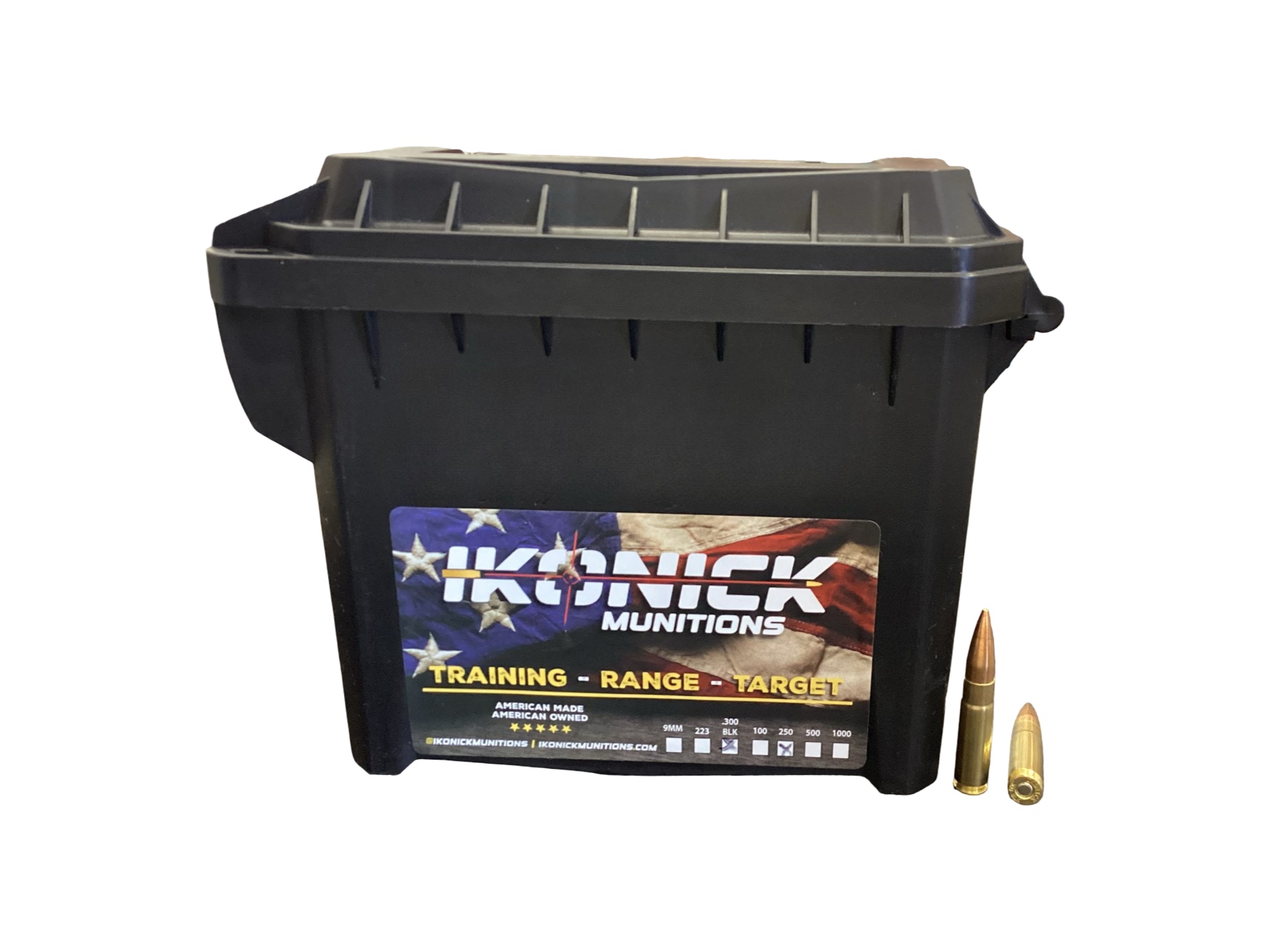
.300 AAC Blackout - IKONICK IU-300-147FM-C250 300BO 147GR FMJBT - 250 Round Can
147gr FMJ · 250rd
$162.00$0.65/rdIn stock
Out of stock
Magtech.300 AAC Blackout - Magtech Tactical Subsonic - FMJ 200 Grain (300BLKSUBA)-- 50 Round box
200gr FMJ · 50rd
$38.34$0.77/rdCurrently unavailable
Out of stock
Wyoming Cartridge Company.300 AAC Blackout - Wyoming 220 Grain Full Metal Jacket "Subsonic" - 20 Round Box
220gr FMJ · 20rd
$14.85$0.74/rdCurrently unavailable
Out of stock
Remington.300 Savage Remington Core-Lokt PSP 150 grain - R30SV2- 20 Rounds
150gr 20rd
$52.87$2.64/rdCurrently unavailable
Out of stock
Black Sheep.308 Winchester - Black Sheep 147 Grain FMJ - (308147GFMJ20) - 20 Round Box
147gr FMJ · 20rd
$17.82$0.89/rdCurrently unavailable
Out of stock
Black Sheep.308 Winchester - Black Sheep 147 Grain Full Metal Jacket (308147GFMJBRY100) - 100 Round Can
147gr FMJ · 100rd
$91.80$0.92/rdCurrently unavailable
Before you buy
What to know about rifle ammo
What people buy it for
- AR-15 and AR-10 range practice and carbine courses
- Deer, hog and elk hunting
- Precision rifle matches and long-range steel
- 3-Gun and multigun competition
- Varmint and predator control
Chamber before pressure: the 5.56 and .308 cases
Two pairs cause almost all the trouble. .223 Remington is safe in a 5.56 NATO chamber, but 5.56 is not safe in a chamber cut only for .223: the shorter throat drives pressure higher. .308 Winchester and 7.62x51 NATO are dimensionally alike, but .308 is loaded to a higher commercial pressure and military chambers often carry more generous headspace, so a surplus rifle of unknown history deserves a gunsmith's look. Read the barrel marking; it is the authority.
Twist rate sets the heaviest bullet you can use
Long, heavy, high-BC bullets need a faster spin to stay stable. A 1:7 or 1:8 twist AR handles 77gr .223; a 1:12 varmint barrel will not. A 1:12 .308 sporter is happy through 168gr and opens up with heavy match bullets. The twist is normally stamped on the barrel, and it does not negotiate. Buying heavy match ammunition for a slow-twist barrel wastes money and looks like a rifle problem.
Match bullets are not hunting bullets
The hollow point on a match bullet is a manufacturing artefact of a very consistent boat tail, not an expansion mechanism. Those bullets are engineered to fly, and their behaviour on game is neither designed nor guaranteed. Hunting calls for a bullet built to expand in a controlled way and hold together: bonded, partitioned or monolithic. Accuracy at the bench is not the same as performance in the field.
Steel case, bi-metal jackets and range rules
Steel-cased ammunition is the cheapest way to shoot volume in 5.56, .223 and 7.62x39. It also tends to use bi-metal jackets that are magnetic, which gets it banned at many indoor ranges and makes it unsuitable for steel targets at close distance. It is not reloadable. None of that makes it bad ammunition; it makes it ammunition with conditions attached, and the conditions are worth checking before a case ships.
Questions
Common questions
Can I shoot 5.56 NATO in a rifle marked .223 Remington?
No. 5.56 is loaded to a higher pressure and its chamber has a longer throat to accommodate it; firing it in a .223-only chamber puts the bullet into the rifling sooner and pushes pressure higher still. The reverse (.223 in a 5.56 chamber) is always safe. If the barrel marking is unclear or absent, ask the manufacturer rather than assume.
Is bulk ammunition accurate enough for hunting?
Bulk practice ammunition is loaded for volume and price, not for consistency, and it uses bullets designed to punch paper rather than to expand on an animal. It is excellent for training. For hunting, buy a load built for the job, zero the rifle with it specifically, and expect it to land somewhere other than your practice ammunition does.
How should I store rifle ammunition?
Cool, dry and in its original packaging, which carries the lot number you will want if anything is ever recalled or if a lot shoots particularly well. Humidity is the enemy rather than time; a sealed ammunition can with a desiccant pack in a stable indoor space will keep factory ammunition serviceable for decades. Heat cycling in a car boot or an uninsulated shed is what does damage.