9mm vs 10mm: when the bigger cartridge is worth the recoil
Many boxes marked 10mm are not full-power 10mm. Until you know which one you are buying, the comparison against 9mm is meaningless.
By TAS6 min read
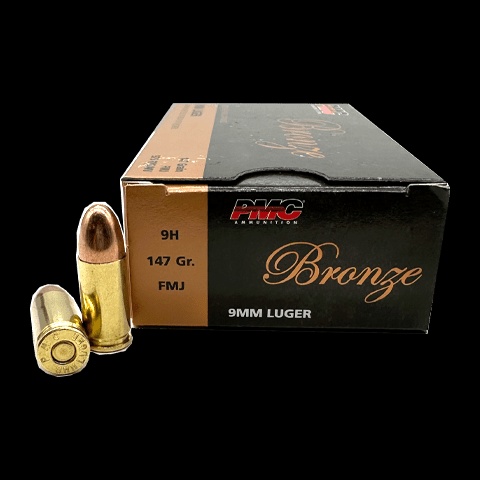
10mm Auto was designed as a full-power combat cartridge and has spent most of its commercial life being something else. Before comparing it to 9mm you have to establish which 10mm is on the shelf, because a downloaded 10mm is a .40 S&W wearing the wrong name, and the full-power loads are in a different performance class from both it and 9mm.
The two cartridges behind one headstamp
10mm Auto arrived in 1983 for the FBI: a 0.400" bullet in a lengthened 9mm case, loaded to roughly 1,250 fps with a 180 grain bullet at pressures near 37,500 psi. That is a six-hundred foot-pound class handgun round. After the 1989 Miami shootout the Bureau concluded the full load was more than most agents could shoot well, and commissioned a downloaded load: the same case, the same bullet, about 200 fps slower. That downloaded load became .40 S&W, and the commercial 10mm market never fully recovered its original intent.
The result is a shelf where one manufacturer’s 10mm and another’s can differ by 250 fps with the same bullet weight. Full-power loads (Underwood, Buffalo Bore, Doubletap, and Federal’s 10mm XMatter) publish velocities near 1,250–1,300 fps with 180 grain bullets. Other loads labelled simply “10mm Auto” chronograph closer to 1,000–1,050 fps, which is .40 S&W territory.
| Cartridge | Bullet weights | Velocity | Recoil character | Typical capacity |
|---|---|---|---|---|
| 9mm | 115–147 gr | 1,150–1,350 fps | Quick snap, easy to shoot flat | 15–17+1 full-size |
| 10mm (full power) | 135–200 gr | 1,200–1,400 fps | Hard, fast, demands grip strength | 15+1 (Glock 20) |
| 10mm (downloaded) | 165–180 gr | 950–1,050 fps | Similar to a snappy .40 | 15+1 (Glock 20) |
Cost, and what the market rewards
The ammunition market has quietly made this comparison harder for 10mm than for almost any other mainstream defensive caliber. 9mm starts at $0.27 a round.10mm Auto starts at $0.44 a round, and the full-power loads that justify buying the caliber sit well above that. If you train with a full-power 10mm the way a competent shooter should, your annual ammunition bill can be two to three times a 9mm bill of the same volume. For most people that means shooting less, which is the one outcome that reliably makes anyone worse with any caliber.
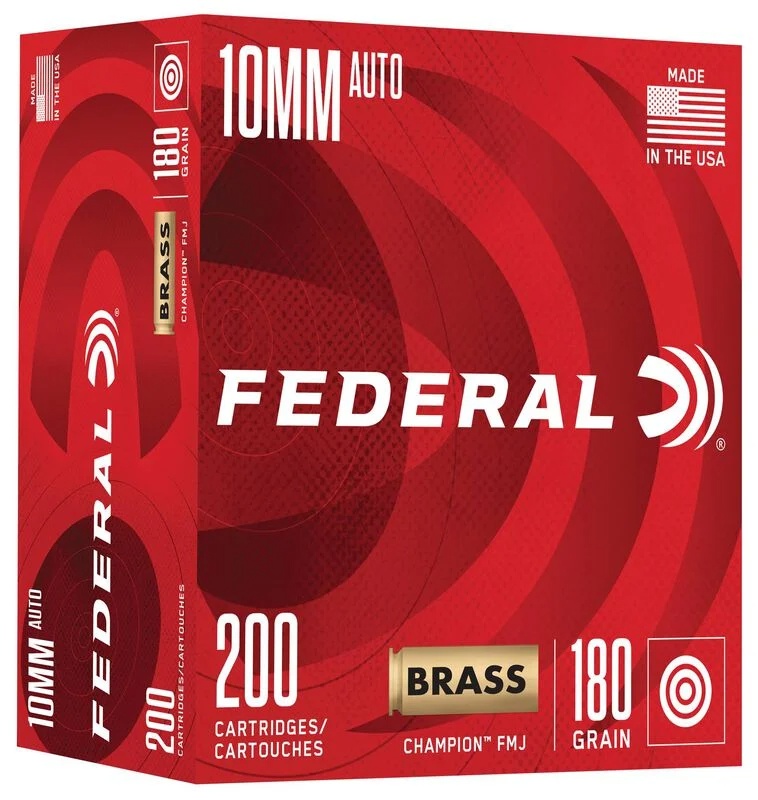
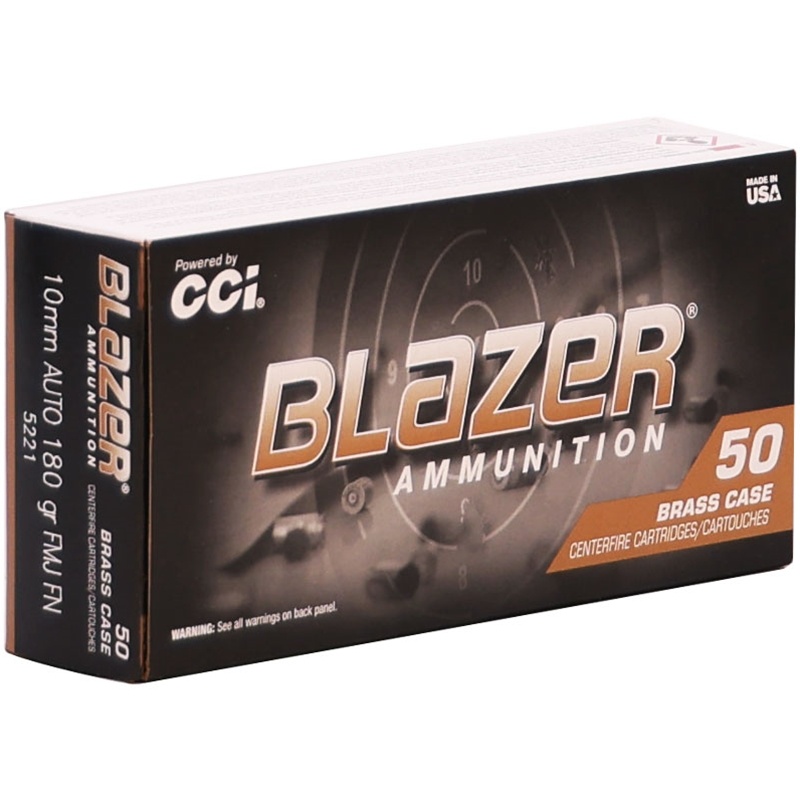
The one place 10mm economics are excellent is practice ammunition: 180 grain FMJ, often sold in the same boxes as defensive loads, is the cheapest way to feed the caliber, and because the gun is chambered for the full cartridge it is safe to practise with the same weight you intend to carry. How to structure that purchase is covered in price per round.
Terminal performance, honestly
A full-power 10mm with a 180 or 200 grain bonded hollow point produces meaningfully more energy than a 9mm duty load: roughly 550–650 foot-pounds against 350–400. That margin shows up as deeper penetration, which is exactly the wrong thing to want in a defensive load aimed at a human and exactly the right thing to want when the target is a feral dog at forty yards or a deer inside a hundred. The FBI protocol data that led the Bureau away from the cartridge was never about whether the ammunition worked. It was about whether agents shot it well enough for the extra energy to matter.
A downloaded 10mm with a good hollow point is ballistically very close to a .40 S&W with the same bullet, which is to say slightly ahead of a 9mm duty load in penetration and slightly behind in capacity. If the box does not publish a velocity consistent with full-power 10mm, do not pay the 10mm premium expecting one.
The gun trade-offs nobody mentions
Full-power 10mm needs a grip you can control and a frame that can take repeated hard recoil. The Glock 20 and its peers are wider in the hand than a Glock 17 by enough that many shooters with average hands cannot get a proper two-handed grip, which costs more accuracy than the extra energy gains. Subcompact 10mm pistols exist and are excellent for carry, but they punish full-power ammunition severely and turn short-barrel velocities into something closer to .40 territory again. A 4" or 4.6" 10mm is the practical sweet spot.
The verdict, as a rule
- Everyday defensive carry: 9mm, a bonded hollow point, and a case of practice ammunition. The capacity, the cost, and the fact that you will actually practise with it beat a cartridge you shoot only when the box is cheap enough. Browse 9mm.
- Bear country, wilderness defence, handgun hunting: full-power 10mm, with the velocity published on the box and a chronograph to confirm it once. Browse 10mm Auto.
- A downloaded 10mm: buy it only if you already own the platform and the price is at or below .40 S&W. Do not buy it as an upgrade from 9mm.
If the wilderness argument is what brought you here, the 10mm you want is usually a full-size or compact model with a 4" barrel, a 180 or 200 grain bonded hollow point, and a box of 180 grain FMJ for practice. For a different take on the same “bigger is not always better” problem, see 9mm against .45 ACP, where the capacity argument is closer and the cost argument is even more one-sided.
Shop this caliber
Live prices from the warehouses that have it on a shelf right now.