Storing ammunition properly
Ammunition stored properly stays reliable for decades. Stored badly it degrades quietly, and you find out one round at a time.
By TAS6 min read

Modern factory ammunition is sealed, non-corrosive and genuinely durable. Kept somewhere sensible it will fire correctly decades from now, and there is plenty of 1960s military surplus still doing exactly that. Kept somewhere careless it does not fail all at once: it drifts. One round is a little slower, then one hangfires, then one does not go at all. That gradual failure is the thing worth designing storage around.
What actually degrades
Two chemistries, and they fail for different reasons.
Smokeless powder is nitrocellulose-based, and nitrocellulose slowly decomposes on its own. Manufacturers add stabilisers to absorb the products of that decomposition; the powder stays good until the stabiliser is used up. The rate at which it is used up rises sharply with temperature. That gives you the single most important fact about ammunition storage: heat damage is cumulative and irreversible. A summer in a hot trunk is not undone by a cool winter: the clock only runs one way, and heat runs it faster.
Primers fail differently. The compound is fairly stable when dry and sealed, but it is vulnerable to contamination. Oil and solvent that reach the priming compound kill it outright. Moisture corrodes the primer pocket and the case, which is what green crust and pitted brass actually are.
Where not to keep it
- Attics. The worst option available. Summer attic temperatures routinely exceed 140°F.
- Uninsulated garages and sheds. Not just hot but swinging: daily temperature cycling drives condensation.
- Vehicle trunks. Hot, humid, and legally awkward in several states besides.
- Damp basements and concrete floors. Concrete wicks moisture. If ammunition must live in a basement, get it onto a shelf and into a sealed container.
- Anywhere near solvents and oils. A cleaning kit drawer is a surprisingly common place to find a box of ammunition, and a surprisingly common source of misfires.
The target is boring: cool, dry, dark and stable. An interior closet on a main floor beats every purpose-built option in a bad location.
Humidity, and the cheapest insurance there is
Below about 50% relative humidity, corrosion effectively stops being a concern. A sealed container with a fresh desiccant pack gets you there for a few dollars.
mtm-case-gard-ammo-can at n/a is a polymer can with a real O-ring seal. It is lighter than a steel surplus can, and it does not rust from the outside in the way steel cans in damp basements famously do. It holds roughly a thousand rounds of 5.56, which is one case of federal-xm193-5-56-nato and about 28 pounds. Two rules with any sealed can:
- Seal it dry. A can closed on a humid day traps that humidity against the brass for a year. Close it indoors, with desiccant, and check the indicator occasionally.
- Let it warm before you open it. A cold can brought into a warm room condenses water on everything inside the moment the lid comes off. Let it reach room temperature first, the same reason you do not open a camera bag straight off a winter porch.
For a range bag or a truck box, plano-field-ammo-box from n/a does the organising job without pretending to be archival storage. For ammunition that travels, or for anything that has to survive being handled by an airline, pelican-v550-vault-case is the lockable, gasketed answer.
Keep the original boxes
This is the rule people break first and regret most. Manufacturer packaging does four jobs at once:
- It keeps rounds separated so primers are never struck by another round’s rim.
- It keeps the caliber marking readable, which is how you avoid the wrong cartridge reaching the wrong chamber. Loose rounds in an unlabelled container are the classic route to that mistake.
- It keeps the lot number readable, which is the only way to act on a manufacturer recall or to explain a batch of odd behaviour.
- It stops soft lead bullets (rimfire especially) from being dented and losing their lubricant against each other.
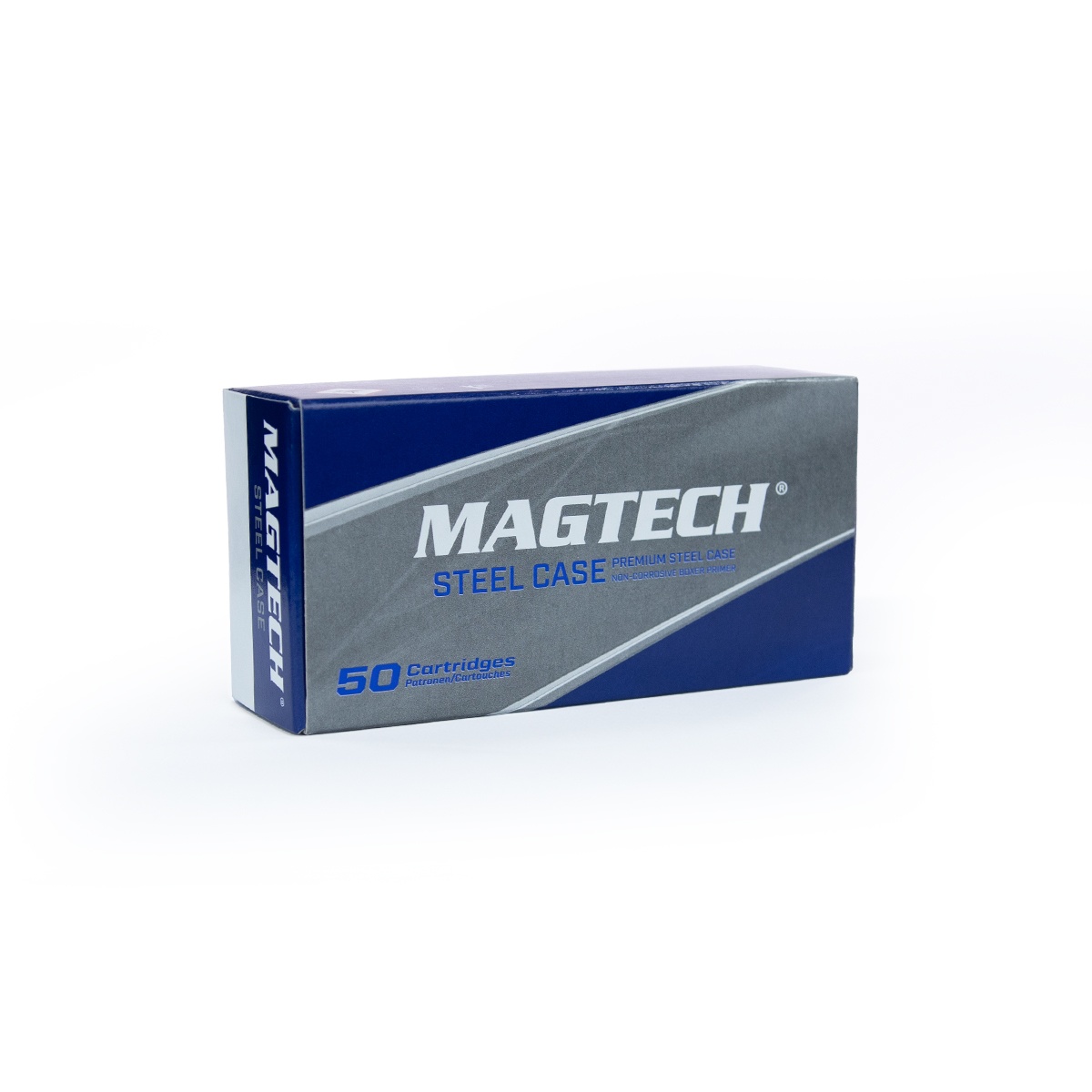
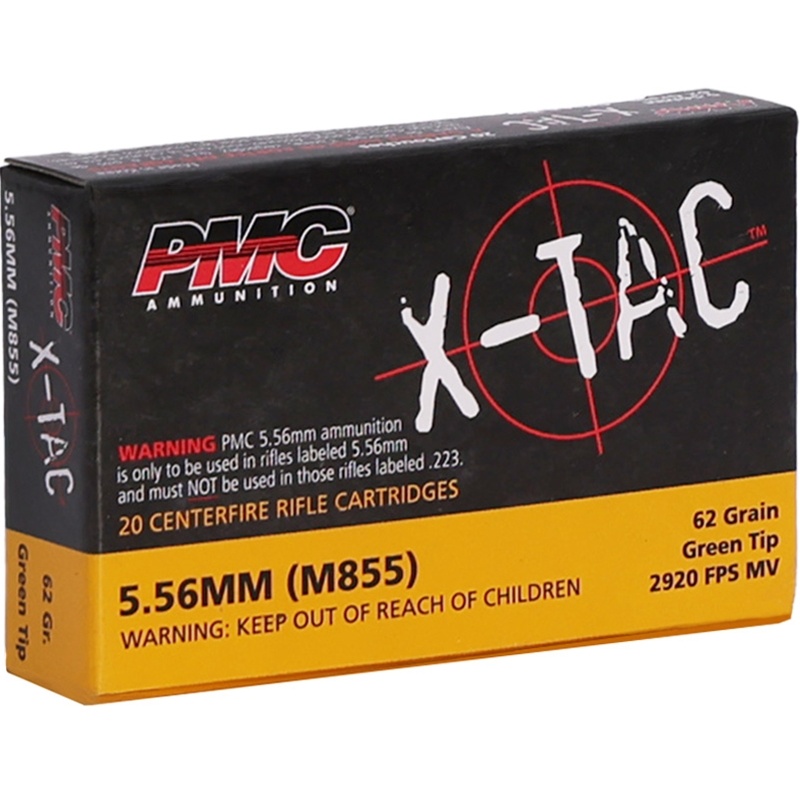
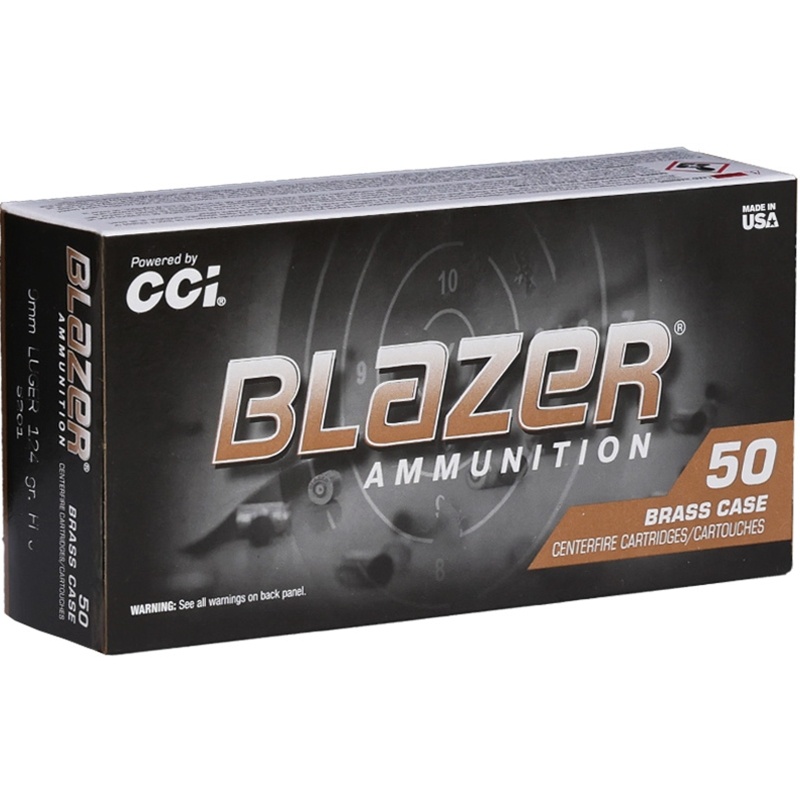
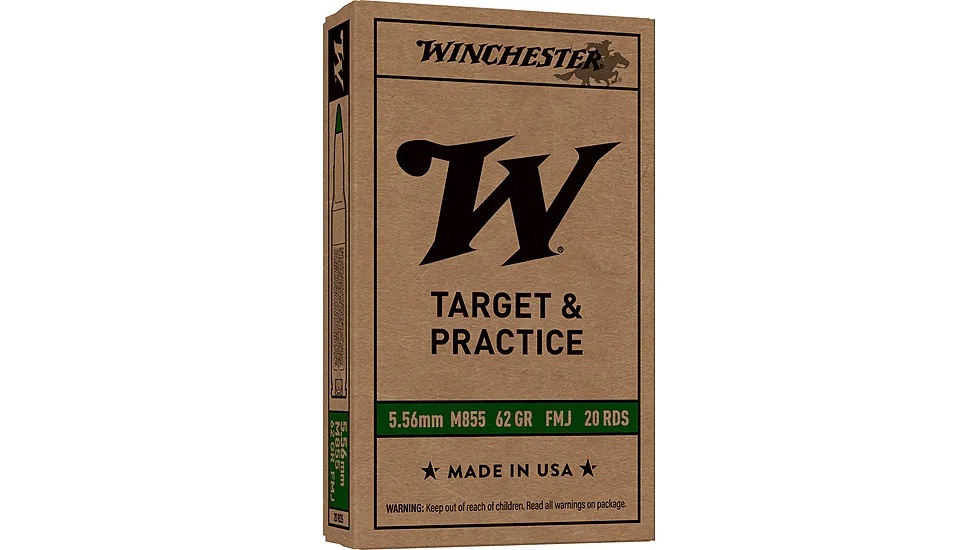
Use ammunition cans as the outer layer and put the boxes inside them. Pouring loose rounds into a can is the wrong way round.
Rotate, and label
Write the purchase date on the box in marker when you put it away, and shoot the oldest first. It costs nothing, it makes “how old is this?” answerable, and it means your stock is a working supply rather than an archive. If you keep a defensive load in a gun, rotate that too: repeated chambering of the same round sets the bullet deeper into the case, which raises pressure.
Inspect before you shoot
Discard, do not fire, any round with:
- A corroded, green or heavily discoloured case.
- A cracked or split neck.
- A bullet you can move or twist by hand.
- A dented, creased or perforated case.
- A primer that is missing, sideways, backed out, or visibly pierced.
Disposal is not the bin and it is definitely not a fire. Most local ranges, police departments and hazardous-waste programmes will take ammunition; our product safety page covers disposal, the wider handling rules, and what to do when a round behaves strangely rather than simply failing.
What good storage buys you
A case of 9mm bought at a normal price and kept in a sealed can in a bedroom closet will be exactly as good in fifteen years as it is today. That is what makes buying ahead of a price spike sensible rather than speculative, and it is the assumption underneath buying by the case and how much to keep. Ammunition is one of very few things you can buy that does not go off if you look after it. Looking after it costs about twenty dollars and a shelf.
Shop this caliber
Live prices for what is in stock right now.