.17 HMR vs .22 WMR: rimfire at 200 yards
Two magnum rimfires split at about 150 yards: the .17 HMR wins on flatness, the .22 WMR on mass. Where each stops being the right tool.
By TAS6 min read
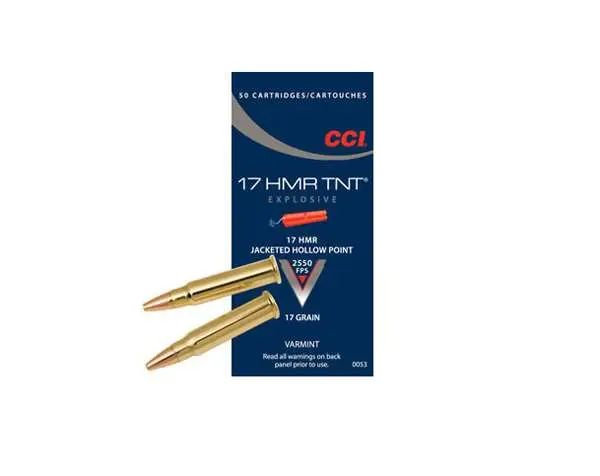
The .17 HMR is a 17 to 20 grain bullet pushed to 2,500 fps; the .22 WMR is a 30 to 40 grain bullet pushed to about 1,900 to 2,150 fps. Out to 150 yards the .17 is flatter, faster and cheaper, and it is the better small-game round for most shots. Past that, and in any wind, the heavier .22 WMR keeps energy and holds its line better — which is why the honest boundary between them is distance and target size, not quality.
Velocities, drop, and wind
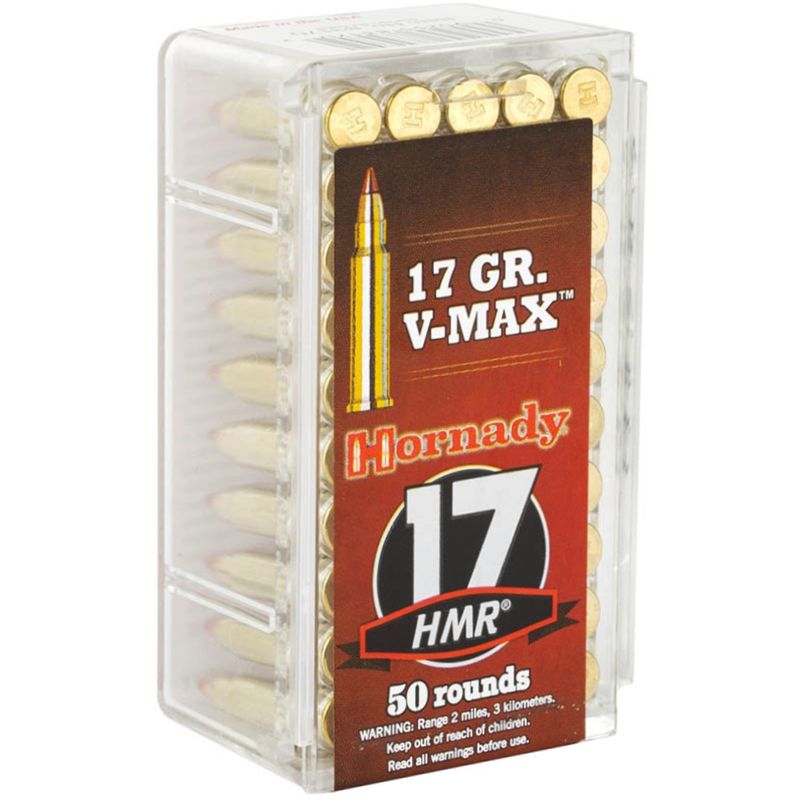
| Load | Bullet | MV | Drop at 200 yd | Wind drift at 200 yd | Energy at 200 yd |
|---|---|---|---|---|---|
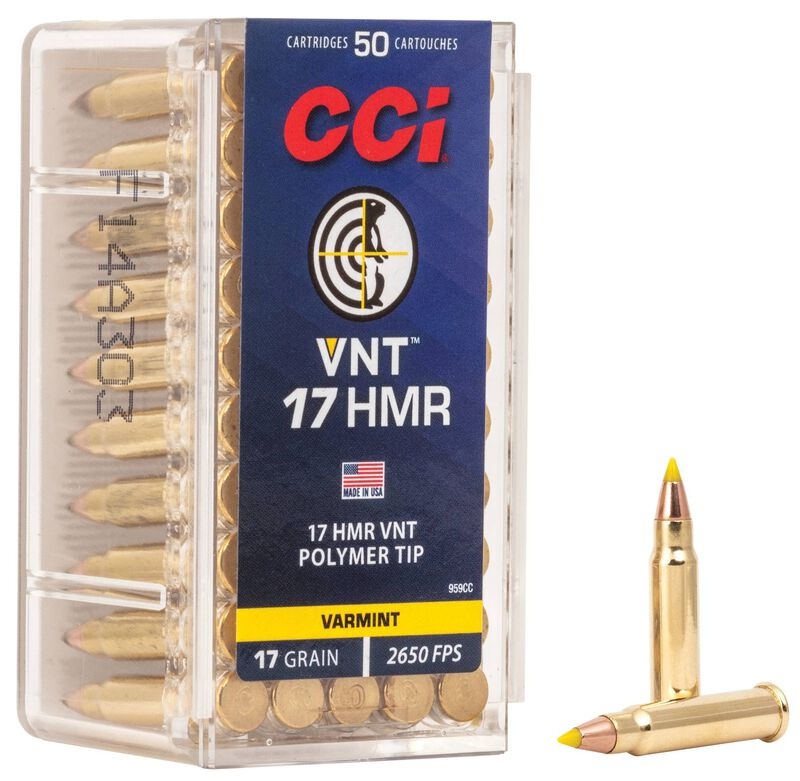
| .17 HMR, 17 gr | 17 gr | 2,550 fps | -16" | ~19" | ~105 ft-lb |
| .17 HMR, 20 gr | 20 gr | 2,350 fps | -19" | ~17" | ~120 ft-lb |
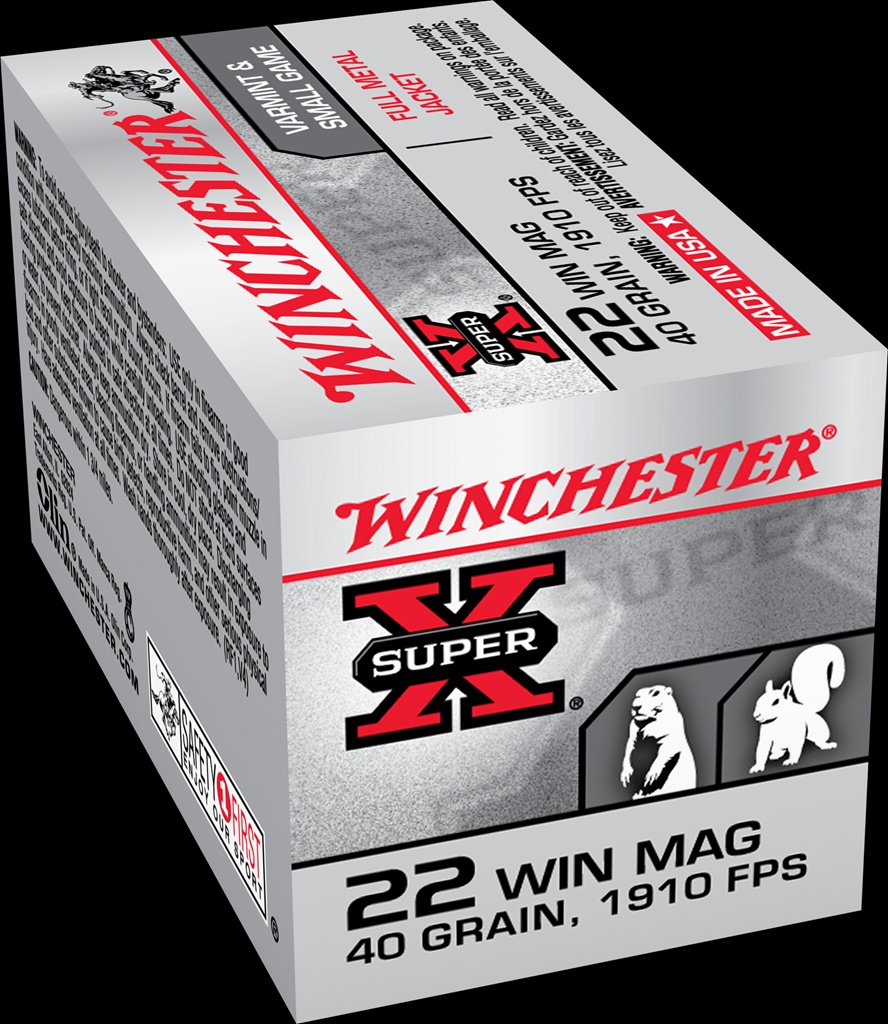
| .22 WMR, 30 gr | 30 gr | 2,150 fps | -22" | ~13" | ~160 ft-lb |
| .22 WMR, 40 gr | 40 gr | 1,875 fps | -30" | ~12" | ~160 ft-lb |
Two patterns are visible immediately. First, the .17 HMR is the flatter round until roughly 150 yards, after which the .22 WMR 30 grain load crosses and pulls ahead, because higher initial velocity loses the argument to higher ballistic coefficient eventually. Second, the wind columns run the other way from what casual comparisons suggest: the heavier .22 drifts less, and in a prairie crosswind at 200 yards the difference between 12 and 19 inches is the difference between a hit and a miss on a rabbit.
Small game, coyotes, and pelt damage
On rabbits, squirrels and prairie dogs inside 150 yards, the .17 HMR is the round to beat. A 17 or 20 grain polymer-tipped bullet expands or fragments on impact, transfers energy fast, and leaves a pelt a taxidermist can work with. The small bullet does not vault through the target into a backstop you were not aiming at, which is a real consideration on a homestead or behind a berm.
Coyotes are where the .22 WMR earns its keep. A 30 to 40 grain hollow point at 1,900 fps carries meaningfully more energy at 150 to 200 yards, and the heavier bullet drives deeper on a shoulder shot at angle. The .17 HMR 20 grain load takes coyotes cleanly at close range and is marginal at distance, especially if the shot is quartering. Fur hunters also prefer the heavier .22 on the pelt for the same reason: less exit damage.
Barrel length, the variable everyone skips
Published velocities come from 24-inch test barrels, and both cartridges are sensitive to what you actually shoot:
- 16" barrel: expect 100 to 200 fps off the box figure. The .17 HMR loses proportionally more of its advantage, because its entire case rests on being fast.
- 20" to 24" barrel: where both cartridges behave as advertised; this is where the .17’s flatness claim becomes true.
- Savage-type switch-barrel rifles and similar modular rimfires let you run both from one action, which is the cheapest way to settle the argument on your own range.
If your gun is a short-barrelled carry rimfire for a truck or a coyote stand where shots rarely pass 100 yards, the barrel-length penalty mostly cancels out the .17’s velocity claim, and the .22 WMR’s mass advantage stands. If your gun is a 24-inch barrelled bolt gun on a tripod at 200 yards, the .17 HMR is exactly what it advertises.
Cost, and where the two sit on the shelf
Rimfire pricing is kind to both, but the ratio still matters when you are putting five hundred rounds through a season of practice. Live starting prices: .17 HMR at $0.28 a round against .22 WMR at $0.22. The .17 is usually the cheaper of the two by a small margin, and both sit far below centrefire hunting ammunition, which is why the practical advice is to buy both boxes rather than agonise. The wider reasoning on comparing ammunition honestly is in price per round.
One more pairing worth knowing: if you already own a .22 LR, the .22 WMR shares its manual of arms and magazine habits closely, and the cheapest way to stay sharp on either is covered in the .22 LR buying guide.
The verdict
- Pick the .17 HMR if your targets are small game inside 150 yards, you shoot from a rest at known distances, pelt condition matters, and you want the flatter, cheaper round. It is the default small-game rimfire for a reason.
- Pick the .22 WMR if coyotes and groundhogs at 150 to 200 yards are the job, if you shoot in wind, if your barrel is short, or if you want one rimfire that also handles the occasional feral hog with a 40 grain hollow point.
The decision rule: know your farthest real shot, not your farthest possible shot. Inside 150 yards buy the .17 HMR; beyond it, or in wind, buy the .22 WMR. The same flat-against-heavy argument at rifle scale is .450 Bushmaster against .350 Legend, and for the revolver-sized version where the heavy option wins outright, see .44 Magnum against .357 Magnum.
Shop this caliber
Live prices from the warehouses that have it on a shelf right now.