.44 Magnum vs .357 Magnum: magnum revolver scaling
The .357 does everything a handgun can do politely; the .44 does the things that need 240 grains. The boundary is game size, not bravery.
By TAS6 min read
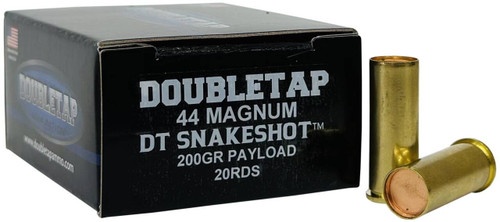
The .357 Magnum and the .44 Magnum are the same idea at two sizes: a high-pressure revolver cartridge with a light-kicking practice round behind it. The .357 handles defence, trail use and deer-sized game with a load menu three decades deep; the .44 is for elk, bear country and anything where 240 grains of bullet matters more than a soft trigger pull. The boundary between them is not bravery — it is game size, distance, and what you will actually practise with.
The load ladders
| Load | Bullet | Velocity | Muzzle energy | Recoil |
|---|---|---|---|---|
| .357, 125 gr JHP | 125 gr | 1,450–1,500 fps | ~580 ft-lb | ~12 ft-lb |
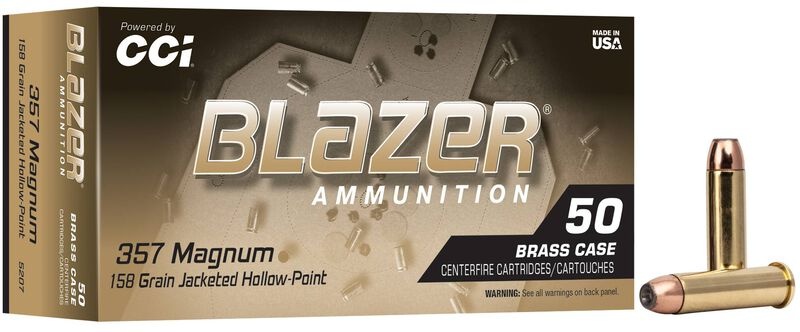
| .357, 158 gr SWHP | 158 gr | 1,250–1,300 fps | ~575 ft-lb | ~13 ft-lb |
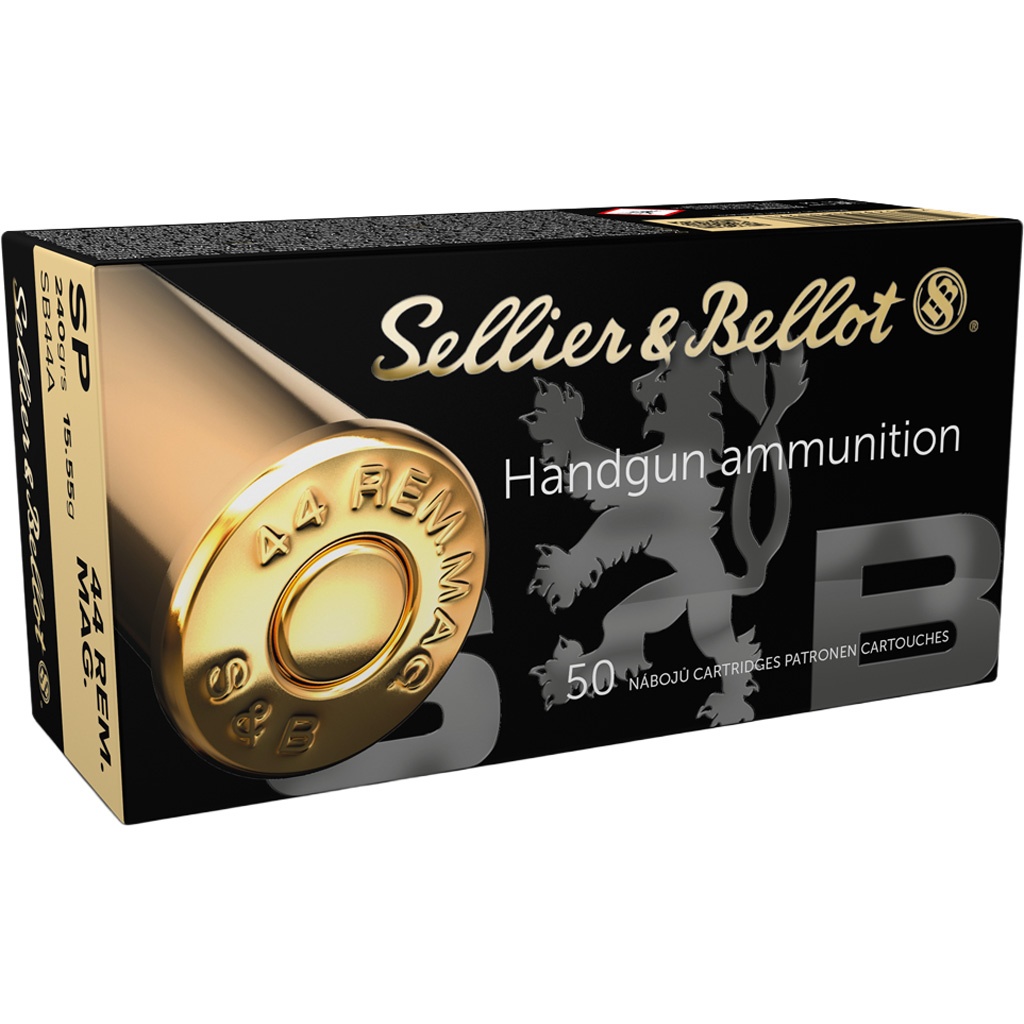
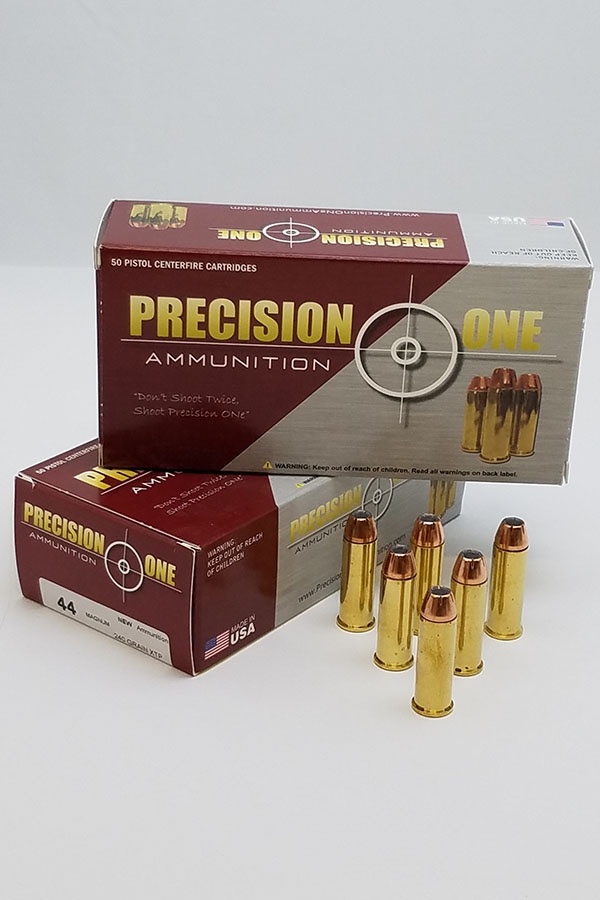
| .44, 240 gr SJHP | 240 gr | 1,350 fps | ~970 ft-lb | ~19 ft-lb |
| .44, 240 gr hard cast | 240 gr | 1,300 fps | ~900 ft-lb | ~20 ft-lb |
Read the energy column as the whole argument in miniature: the .44 carries roughly seventy percent more than the .357, and it does it with a bullet that is half again as heavy at a similar velocity. That is physics doing the work — energy goes as mass times velocity squared, and the .44 wins the mass side of that equation outright. The recoil column is what you pay for it: about twenty foot-pounds against thirteen, and the difference grows with barrel length because a longer tube lets both cartridges finish burning.
Where the .357 stops working
The .357 Magnum, with a 158 grain soft point or a 125 grain JHP, is a complete answer for whitetail inside 75 yards, for rattlesnakes, for trail defence against dogs and for every realistic defensive scenario. It is not a big-game cartridge, and the honest limits are:
- Bear country: a .357 with a 158 grain hard-cast flatnose is a last-ditch deterrent against black bear, and nothing more. For grizzly, moose, or elk-sized game at any distance, it is the wrong tool and the advice of every reputable source agrees.
- Elk and moose: even with heavy-for-calibre bullets, the .357 lacks the momentum to drive through heavy bone and dense muscle reliably. This is where the .44’s 240 grains earns its place.
- Deer beyond 75 yards: the .357’s trajectory is workable, but the margin for a poor hit narrows fast with range and energy. The .44 keeps a usable margin further out, even though neither is a 150-yard round.
The grain-weight reasoning behind those limits — why a heavier bullet at similar velocity penetrates deeper and carries energy further — is covered in grain weight.
Where the .44 starts earning its recoil
Three jobs justify the .44 Magnum, and they share a pattern: heavy game, close range, or both.
Hunting. A 240 grain soft point from a .44 takes deer and hogs cleanly inside 100 yards, and with hard-cast flatnose loads the cartridge reaches elk and moose-sized game in the hands of a shot who practises. In states that allow handgun hunting for big game, the .44 is the standard choice for revolver hunters; the .357 appears on those seasons rarely and with justification.
Bear country. For travellers in grizzly country, hard-cast 240 to 300 grain .44 loads are the recommended defensive option because they reach deep through heavy hide and bone. This is not a use case where a lighter caliber can be talked up: the .44 is the floor, and the .357 is a compromise people make when weight and recoil matter more than the unlikely worst case.
Penetration on hard targets. Any job requiring a bullet to defeat a heavy barrier or reach a vitale from an awkward angle is a .44 job. The .357’s advantage ends where the target gets dense.
Platform and capacity
A .357 runs in K-frame, L-frame and J-frame revolvers, giving you six to eight rounds in a mid-weight package that conceals and carries all day. The .44 needs an N-frame class gun for comfortable full-power shooting: heavier, bulkier, six rounds, and noticeably slower to reload with speedloaders under stress. If the gun is for defence first, the .357 in a mid-weight frame is the better instrument. If the gun is for the woods, the .44’s weight helps you shoot it better rather than hurting you.
Price on the caliber pages: .357 Magnum at $0.58 a round against .44 Magnum at $0.99. The .44 costs more per round, and because it also recoils harder, the effective cost of shooting it to competence is higher still. Whether to buy a case or feed it in boxes is answered in price per round.
The verdict
- Pick the .357 Magnum if the gun is for defence, trail use, and deer-sized game at sensible distances; if you want one revolver that does everything short of big game; if you will practise often and cheaply with .38 Special; or if weight and capacity matter. It is the better all-round revolver by a wide margin.
- Pick the .44 Magnum if you hunt deer, elk or hogs with a handgun; if bear country is on your map; if you want the deepest-penetrating load available in a production revolver; or if you already shoot the .357 well and want the heavy end of the ladder. Budget the practice, because the recoil you are buying is the recoil you must learn to manage.
The decision rule: if your biggest realistic problem is a person, a dog or a deer inside 75 yards, buy the .357; if it is elk, a hog at distance, or a bear, buy the .44 and practise it properly. Both cartridges scale the same way — more mass, more pressure, more recoil — and the smaller argument between two magnum rimfires, .17 HMR against .22 WMR, resolves on the same physics: heavier bullets win at distance, lighter ones win on the way there.
Shop this caliber
Live prices from the warehouses that have it on a shelf right now.