.30-06 Springfield ammo buying guide
The .30-06 load ladder runs from 110 grain varmint to 220 grain heavy, and every step of it is still in production. That breadth is the reason the cartridge refuses to die.
By TAS6 min read
.30-06 Springfield has been in continuous commercial production since 1906, and the load menu shows it: 110 grain varmint loads through 150, 165, 180, 200 and 220 grain hunting bullets, plus match and training options, all from every major manufacturer. No other centerfire offers that ladder. The buying problem is not availability; it is knowing which rung you actually need.
The load ladder
| Weight | Velocity | Bullet | Best at |
|---|---|---|---|
| 150 gr | 2,800–2,900 fps | Soft point, polymer tip | Deer, antelope, plains game |
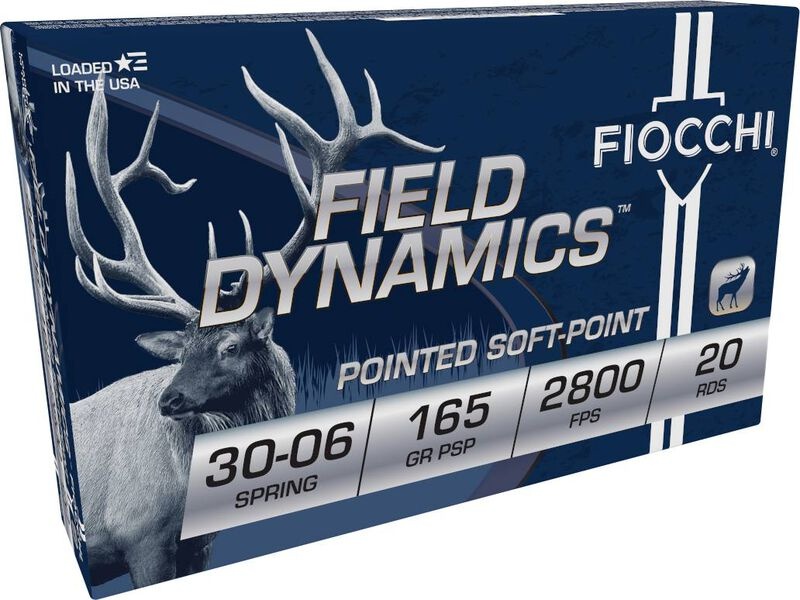
| 165 gr | 2,700–2,800 fps | Controlled expansion | The all-around hunting weight |
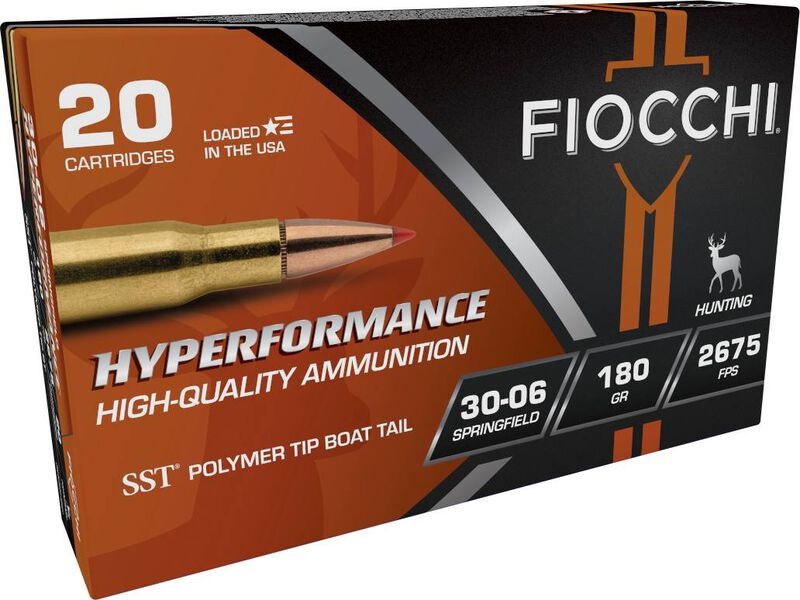
| 180 gr | 2,600–2,700 fps | Heavy hunting | Elk, moose, brush, wind |
| 220 gr | 2,300–2,400 fps | Heavy round nose / soft point | Large, dangerous game at moderate range |
SAAMI holds the cartridge at a maximum average pressure of 60,000 psi, which is why the same chamber will safely fire everything from a light 110 grain varmint load to a 220 grain heavy without complaint. That pressure ceiling also explains the mild recoil for a .30 caliber with this performance: the case is long, and the loads are not trying to operate at the edge of what a bolt gun can take.
The 165 grain default, and when to leave it
If you own one .30-06 and hunt one animal, buy a 165 grain controlled-expansion load and stop. It is the weight that works from pronghorn to elk, it carries a flatter trajectory than the 180, and it recoils enough less that you will actually practise with it. The 180 grain step is for heavier game, for brush where you want a heavier bullet, or for wind. The 150 is for deer at modest ranges and for shooters who want the flattest trajectory the cartridge offers.
The 220 grain loads are a specialist tool: they put a heavy, slow bullet into large game at ranges where energy retention matters more than trajectory. They are also the loads that produce the most recoil in the ladder, and they are not an improvement for deer. If you are hunting plains game at 300 yards, a 220 is the wrong answer; if you are hunting brown bear in thick cover, it may be the right one.
What to practise with
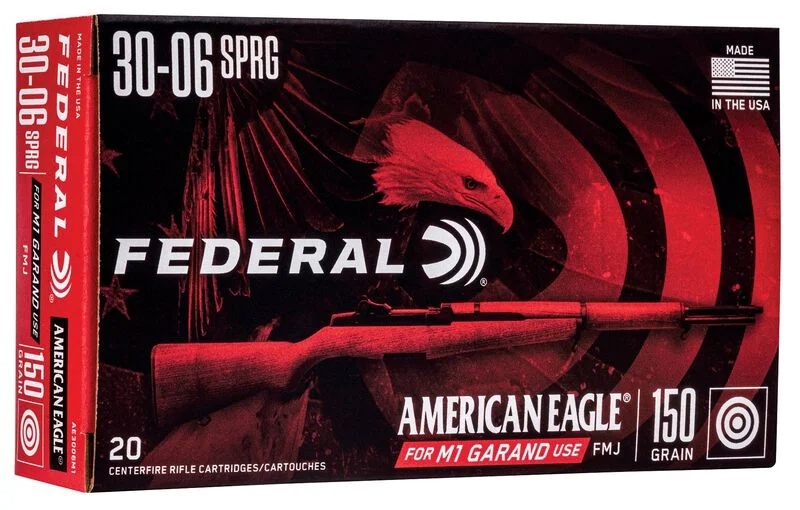
Practice in .30-06 is usually 150 grain FMJ or a lightly loaded 168 grain ball, and it is more expensive per round than .308 practice by a noticeable margin — this is a long-action cartridge, and long-action ammunition has never been as cheap as short-action. The cheapest in-stock price on the .30-06 Springfield page is currently $1.20 a round, which is the floor for a quality practice load. At that price a 100-round practice session is a real expense, so make each one count: one box of match or a better hunting load for verification, and the rest for fundamentals.
If you are reloading, .30-06 is one of the best cartridges in the world to handload: the case capacity, the bullet selection and the century of published load data mean you can tune a load to your rifle in a way that is simply not available in more modern, tighter-window cartridges. That is a hobby decision as much as a cost one, but it is why so many .30-06 owners keep the cartridge long after the industry has moved on.
For shooters who are not reloading and want the cheapest credible practice: military-pattern ball and plain 150 grain FMJ from the major manufacturers are the floor, and they are perfectly adequate for fundamentals and for confirming a hunting zero. The step up to a 168 grain match or a premium hunting load is worth making when you are measuring the rifle rather than yourself — one box, five groups, and you will know whether the barrel has a preference.
The oldest argument in American hunting is .270 versus .30-06, and the ammunition side of it is straightforward: the .270 shoots a lighter, flatter 130 grain bullet with less recoil, while the .30-06 offers a wider ladder and heavier options for larger game. Both are excellent. The decision is about which load ladder you will actually use, not about which cartridge is better in the abstract.
A sensible first order
- Two boxes of 165 grain hunting load for zeroing and the season. Verify point of impact with the ammunition you will carry.
- 100 rounds of practice FMJ for fundamentals. Make them count; .30-06 practice is not cheap enough to waste.
- One box of 150 or 180 grain if you have never deliberately compared weights in your own rifle. The difference is visible on paper and worth knowing before season.
The full shelf, sorted by weight and bullet type, is on the .30-06 caliber page. For the cartridge that sits below it in the short-action world, see .300 Blackout, and the case economics are in bulk ammo.
Shop this caliber
Live prices from the warehouses that have it on a shelf right now.