Rifle Ammo
.30-06 Springfield Ammo
In stock from $1.19 / round · 14 of 21 products available now
Factory loads run from 150-grain deer bullets to 220-grain heavies, and somewhere in every town in North America sells it. The range of ammunition is the whole point.
In stock today
- Cost per round
- $1.19 to $2.48
- 8 Brands
- Barnes, Federal, Fiocchi, Hornady, Prvi Partizan, Remington, Sellier & Bellot, Winchester
- Bullet weights
- 150, 165, 178, 180 grain
- Pack sizes
- 20, 200 rounds
Learn more about .30-06 Springfield
At a glance
- Also known as
- .30-06 Sprg, .30 Gov't 06, 7.62x63mm
- Common bullet weights
- 150, 165, 180 and 220 grain
- Typical use
- Deer, elk and bear hunting anywhere on the continent
- Before you buy
- A 150gr load and a 180gr load can print well apart. Re-zero when you change bullet weight
- Age to purchase
- 18+ (long-gun ammunition, attested at checkout)
.30-06 Springfield was adopted in 1906 and has taken more North American game than any other cartridge. Its virtue is range of ammunition rather than raw power: because it has more case capacity than a .308 and a long action to seat bullets in, it is loaded commercially from light, fast 150-grain deer bullets all the way up to 220-grain heavies for the biggest animals on the continent. Anywhere that sells ammunition sells .30-06, which counts for a great deal on the second morning of a hunt in an unfamiliar state.
Out of stock
Federal.30-06 Springfield - Federal Power-Shok 180 GR Soft Point - 3006B - 20 Rounds
180gr Soft Point · 20rd
$24.57$1.23/rdCurrently unavailable
Out of stock
Hornady.30-06 Springfield - Hornady Outfitter 180 GR Copper Alloy CX Bullet / Nickel-Plated Casing - 811644 - 20 Rounds
180gr 20rd
$41.40$2.07/rdCurrently unavailable
- Prvi Partizan
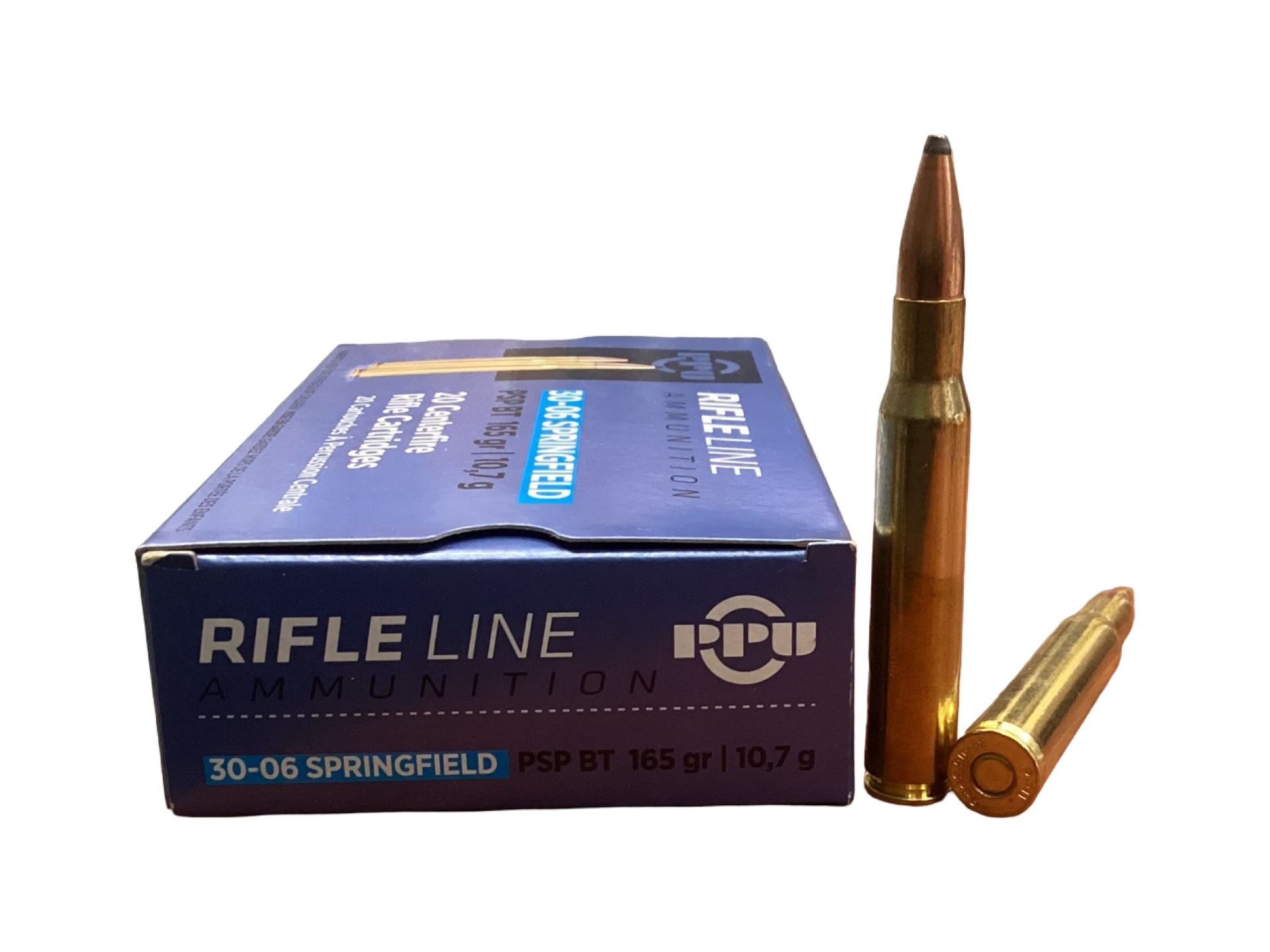
.30-06 Springfield - PPU 165 Gr Soft Point (PP30062) 20 Round Box
165gr Soft Point · 20rd
$24.30$1.22/rdIn stock
Out of stock
Prvi Partizan.30-06 Springfield - Prvi Partizan (PPU) 150 Grain Soft Point -PP30061- 20 Round Box
150gr Soft Point · 20rd
$23.75$1.19/rdCurrently unavailable
Out of stock
Sellier & Bellot30-06 Springfield - Sellier & Bellot 180 Grain FMJ (SB3006A) - 20 Round Box
180gr FMJ · 20rd
$23.71$1.19/rdCurrently unavailable
Out of stock
BarnesBarnes Harvest 30-06 AMMO 180gr Sierra Tipped GameKing Brass Cased 20rd Box
180gr 20rd
$37.79$1.89/rdCurrently unavailable
- Federal
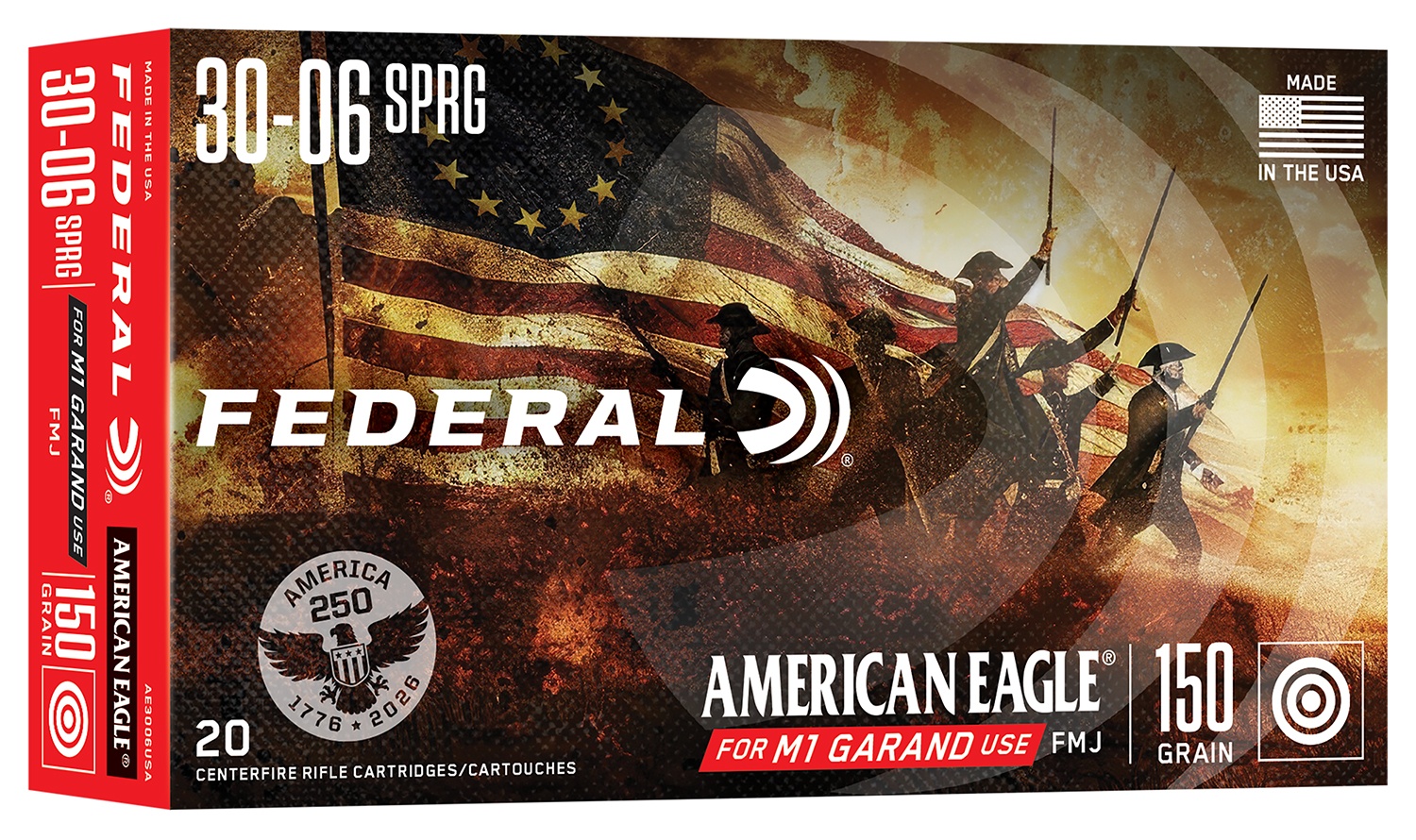
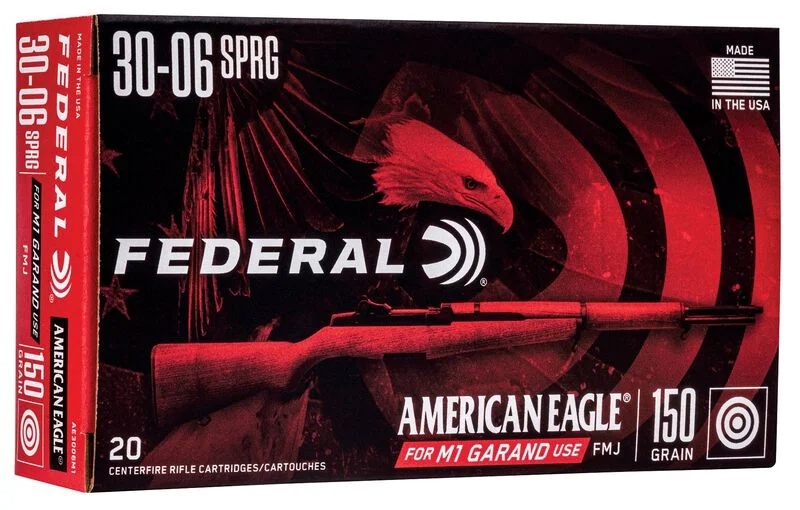
FEDERAL 250TH ANNIVERSARY 30-06 AMMO (F0R M1 GARAND USE) 150GR FMJ BRASS CASED 20RD BOX
150gr FMJ · 20rd
$32.39$1.62/rdIn stock
- Federal
FEDERAL 30-06 Ammo SPRINGFIELD M1 GARAND 150GR FMJ BRASS CASED 20RD BOX
150gr FMJ · 20rd
Also in 200rd
$32.39$1.62/rdIn stock
- Fiocchi
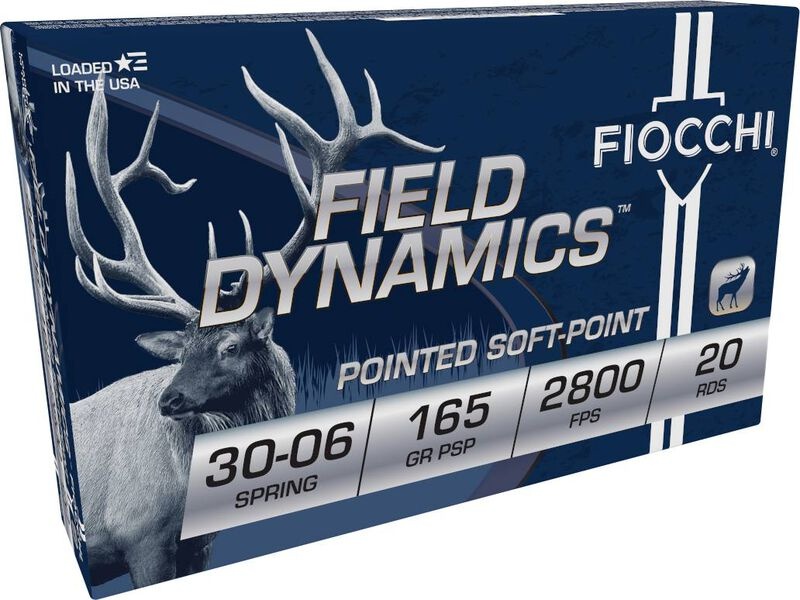
FIOCCHI FIELD DYNAMICS 30-06 AMMO 165GR PSP BRASS CASED 20RD BOX
165gr Pointed Soft Point · 20rd
$24.02$1.20/rdIn stock
- Fiocchi
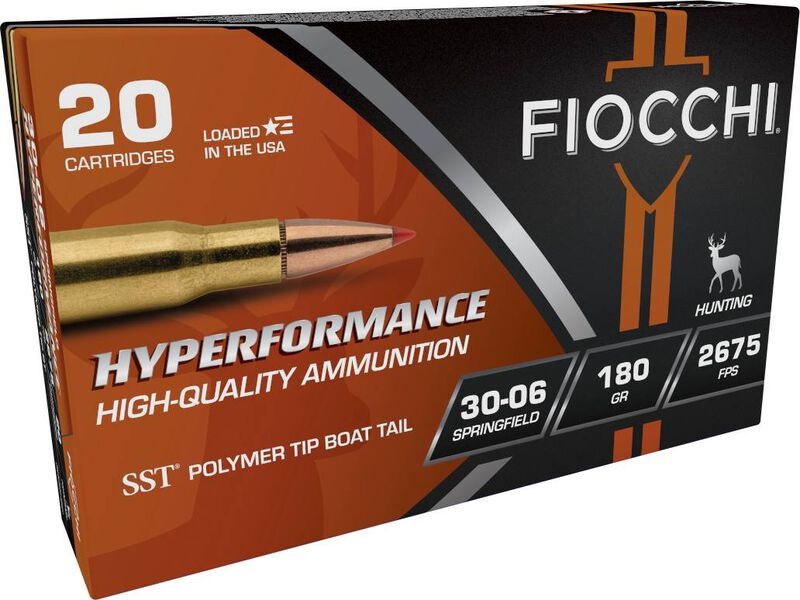
FIOCCHI HYPERFORMANCE 30-06 AMMO 180GR SST BRASS CASED 20RD BOX
180gr 20rd
$25.91$1.30/rdIn stock
- Hornady
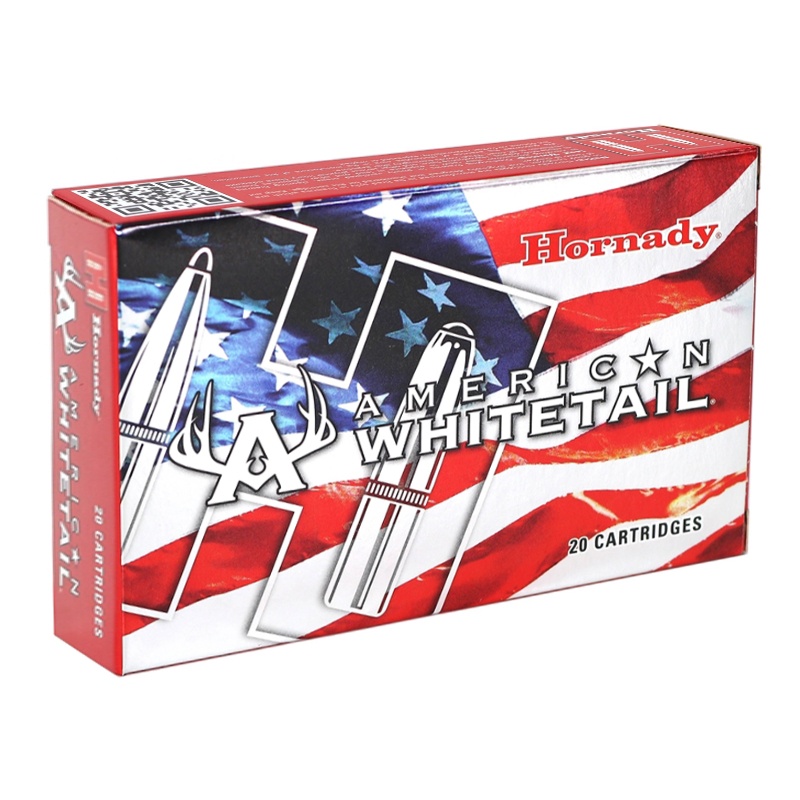
HORNADY AMERICAN WHITETAIL 30-06 AMMO 150GR INTERLOCK SP 20RD BOX
150gr 20rd
Also in 200rd
$29.15$1.46/rdIn stock
Out of stock
HornadyHORNADY AMERICAN WHITETAIL 30-06 AMMO 180GR SP 20RD BOX
180gr Soft Point · 20rd
$29.15$1.46/rdCurrently unavailable
- Hornady
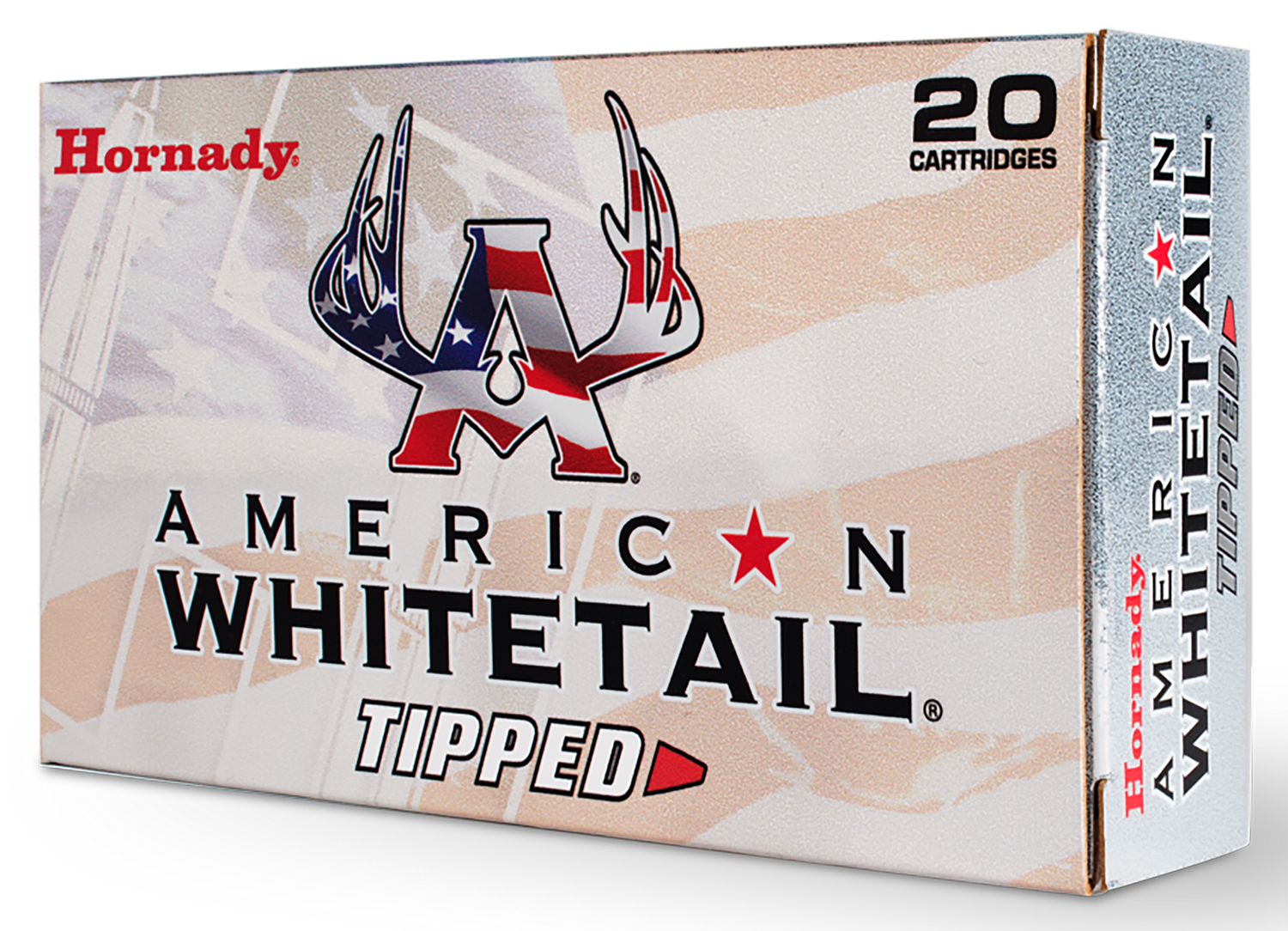
HORNADY AMERICAN WHITETAIL TIPPED 30-06 AMMO 165GR SST BRASS CASED 20RD BOX
165gr 20rd
$34.55$1.73/rdIn stock
- Hornady
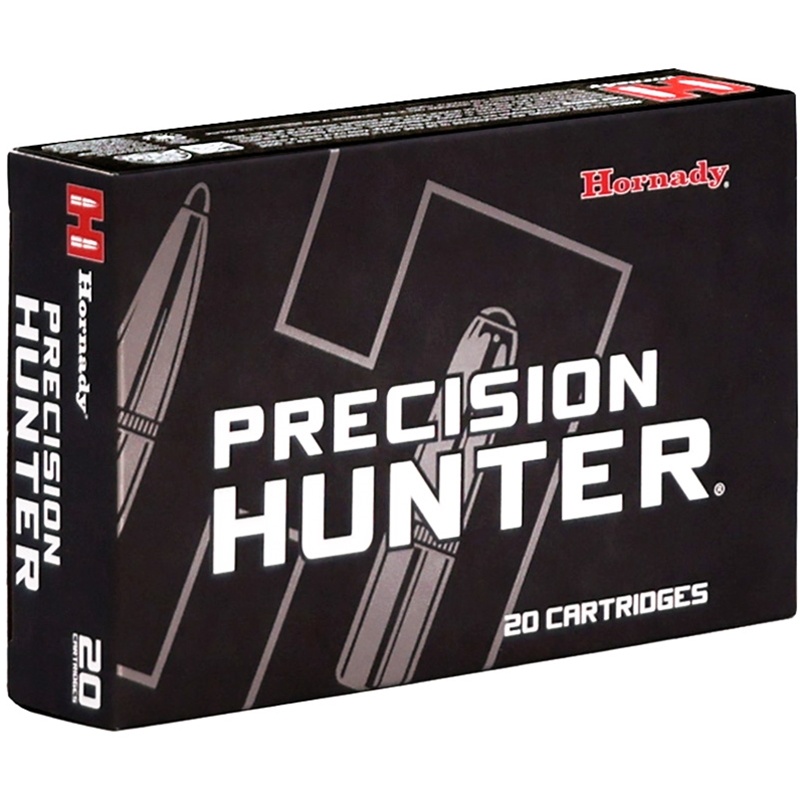
HORNADY PRECISION HUNTER 30-06 AMMO BRASS CASED 178GR ELD-X 20RD BOX
178gr 20rd
$36.81$1.84/rdIn stock
- Hornady
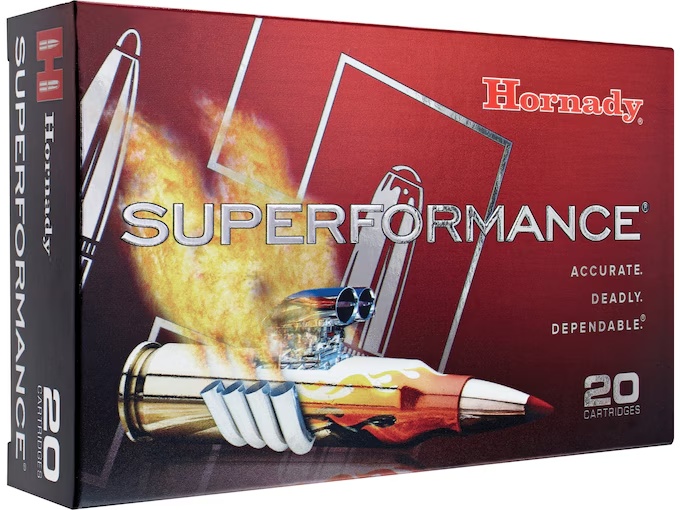
HORNADY SUPERFORMANCE 30-06 AMMO 150GR CX SPF 20RD (10 BOX CASE)
150gr 20rd
$37.79$1.89/rdIn stock
- Sellier & Bellot
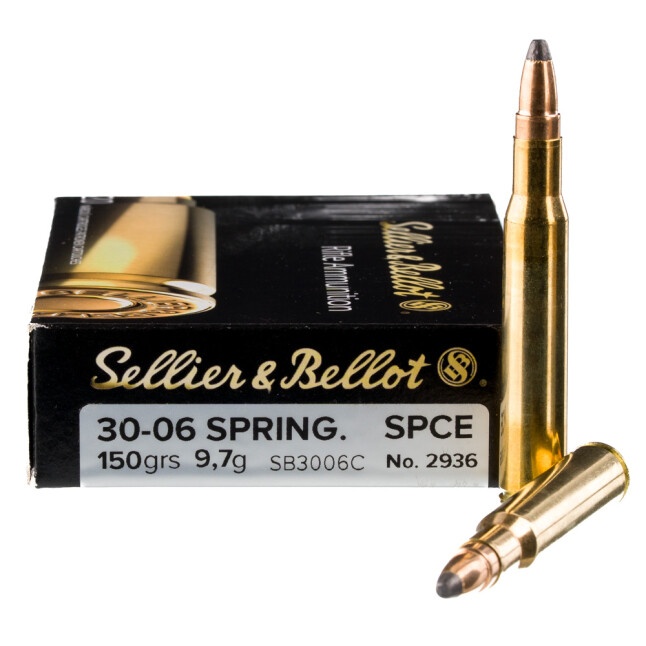
Sellier & Bellot SB3006C Rifle 30-06 Springfield AMMO 150 gr Soft Point Cut-Through Edge (SPCE) 20 Bx/ 20 Cs
150gr 20rd
$23.75$1.19/rdIn stock
Out of stock
MagtechSELLIER&BELLOT 30-06 SPRG AMMO 180GR SPCE BRASS CASED 20RD BOX
180gr 20rd
$23.75$1.19/rdCurrently unavailable
- Winchester
WINCHESTER SUPER-X 30-06 SPRINGFIELD AMMO 180GR SOFT POINT 20RD BOX
180gr 20rd
$36.71$1.84/rdIn stock
Before you buy
What to know about .30-06 Springfield
What people buy it for
- Deer, elk, moose and bear hunting
- General-purpose North American hunting rifles
- M1 Garand shooting and CMP competition, with correct ammunition
- Long-standing military-surplus rifle collecting
M1 Garand rifles need Garand-appropriate ammunition
This matters and it is widely underestimated. The Garand's gas system was designed around a specific pressure curve, and modern commercial .30-06 (especially heavy bullets over slow-burning powder) can generate more port pressure than the operating rod was built for, bending it over time. Either buy ammunition explicitly labelled for the M1 Garand, or fit an adjustable gas plug. A bent op-rod is an expensive way to learn this.
Bullet weight is chosen for the animal
150 to 165gr is the deer and antelope range and shoots flattest. 180gr is the traditional all-round elk and larger-game weight and is what most .30-06 rifles are set up around. 200 to 220gr is for heavy, deep penetration on the largest animals at closer range. Construction matters as much as weight: a bonded or monolithic 180gr will out-perform a cup-and-core 220gr on a heavy shoulder.
It kicks more than a .308, and that is the trade
More case capacity means more powder and more recoil for the same bullet. In a light mountain rifle, full-power .30-06 is genuinely stout, and reduced-recoil factory loads exist and are worth considering for smaller-framed shooters and for practice. Flinch costs more accuracy than any cartridge choice ever gains.
Long action, and what that means for you
.30-06 needs a long action, which makes for a slightly longer, slightly heavier rifle than a .308 equivalent. In exchange you get a cartridge that handles heavy bullets better and that has never been out of stock anywhere in living memory. If you already own the rifle the point is moot; if you are choosing, that is the real comparison.
Questions
Common questions
Is .30-06 better than .308?
It has more case capacity, which shows up mostly at the heavy end: 180gr and above, where .30-06 gets meaningfully more velocity. With 150 to 168gr bullets the two are close enough that the difference rarely matters in the field. .308 is a shorter action, recoils less and often costs less. .30-06 handles heavy bullets better and is stocked absolutely everywhere.
Can I shoot modern commercial ammunition in an M1 Garand?
Not indiscriminately. The Garand's operating rod is sensitive to gas port pressure, and heavy-bullet commercial loads with slow-burning powders can exceed what it was designed for and bend it. Buy ammunition specifically marked as M1 Garand-safe, or fit an adjustable gas plug and use it. This is the single most common way people damage an otherwise sound Garand.
What weight should I use for elk?
180 grain in a bullet built to hold together (bonded, partitioned or monolithic) is the classic and well-proven answer, and most .30-06 rifles shoot it well. Some hunters go heavier for very large animals at close range. What you should not do is take a thin-jacketed deer bullet to elk because it grouped nicely at the range.
Is .30-06 obsolete?
No. Newer cartridges beat it on paper for wind drift and recoil efficiency, but none of them match it for the sheer breadth of factory loads or for availability. If your rifle is a .30-06, you can walk into almost any shop in North America and buy something appropriate for whatever you are hunting. That is worth more than a few inches of drop.
How much does .30-06 Springfield cost per round?
.30-06 Springfield runs from $1.19 to $2.48 per round in stock right now. Every price on the page carries its cost per round beside it, so the comparison is one glance rather than arithmetic.
Which brands of .30-06 Springfield do you stock?
Barnes, Federal, Fiocchi, Hornady, Prvi Partizan, Remington, Sellier & Bellot and Winchester are in stock in .30-06 Springfield today. Stock changes as the feed runs, so the list on the page is the current one.
What bullet weights does .30-06 Springfield come in?
The .30-06 Springfield in stock runs 150, 165, 178, 180 grain. Weight changes how the round feels and where it prints more than most shooters expect, so it is worth matching what you already shoot.
Is .30-06 Springfield in stock?
14 of the 21 .30-06 Springfield products we list are in stock right now. Out of stock items stay on the page rather than disappearing, so a link you saved still works and you can see what normally sits here.