.410 bore ammo buying guide
.410 bore looks like a smaller 12 gauge on the shelf and is not. Payload is the whole game, and the shell you choose matters more than the gun.
By TAS6 min read
.410 bore is the smallest shotgun shell most shooters will ever buy, and the one where shell selection matters most. A 12 gauge forgives a lazy choice with extra shot; .410 has no surplus payload to waste. Every decision – 2½ or 3 inch, shot size, buffer, whether you are hunting birds or loading a Judge – comes down to one number: how much shot or lead the hull actually carries.
What the cartridge is for
Two jobs dominate .410 sales. The first is small-game and upland hunting with a light gun – a .410 double or a pump with 2½-inch shells is a classic first gun, and it still works for a hunter who wants less noise and less recoil. The second is defence out of revolver-format guns: the Taurus Judge, the S&W Governor, and the small single-shot trappers have made .410 a serious defensive shelf rather than a novelty.
The bore is .410 inches – about 10.4 mm – against 12 gauge’s .729 inches, and the payload difference that follows is enormous. A 12 gauge 2¾-inch target load carries about an ounce of shot. A .410 2½-inch shell carries roughly five-eighths of an ounce, and the 3-inch shell tops out near three-quarters. That is the whole ballistics argument in one line: .410 patterns smaller, carries less energy, and needs better shot placement than any other common bore.
2½ inch against 3 inch
| Shell | Typical payload | Fits | Best at |
|---|---|---|---|
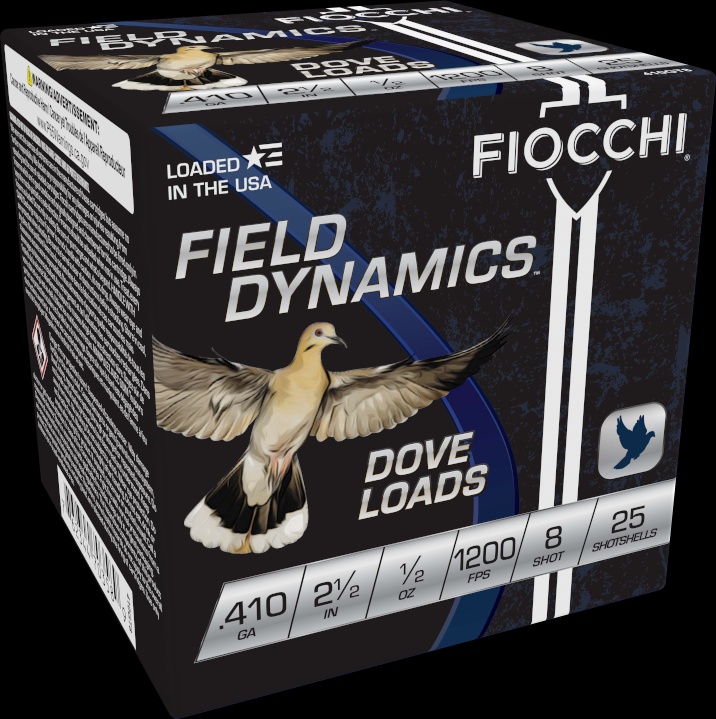
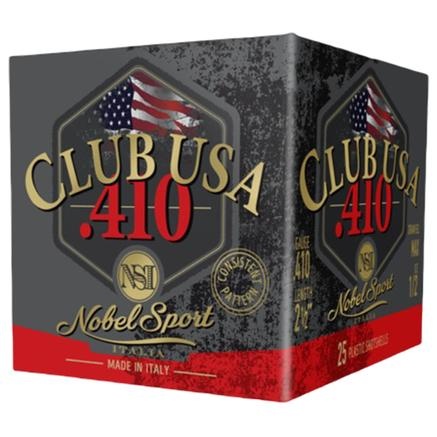
| 2½ inch | ⅝ oz shot (175 gr) | Every .410 chamber | Practice, small game, doubles |
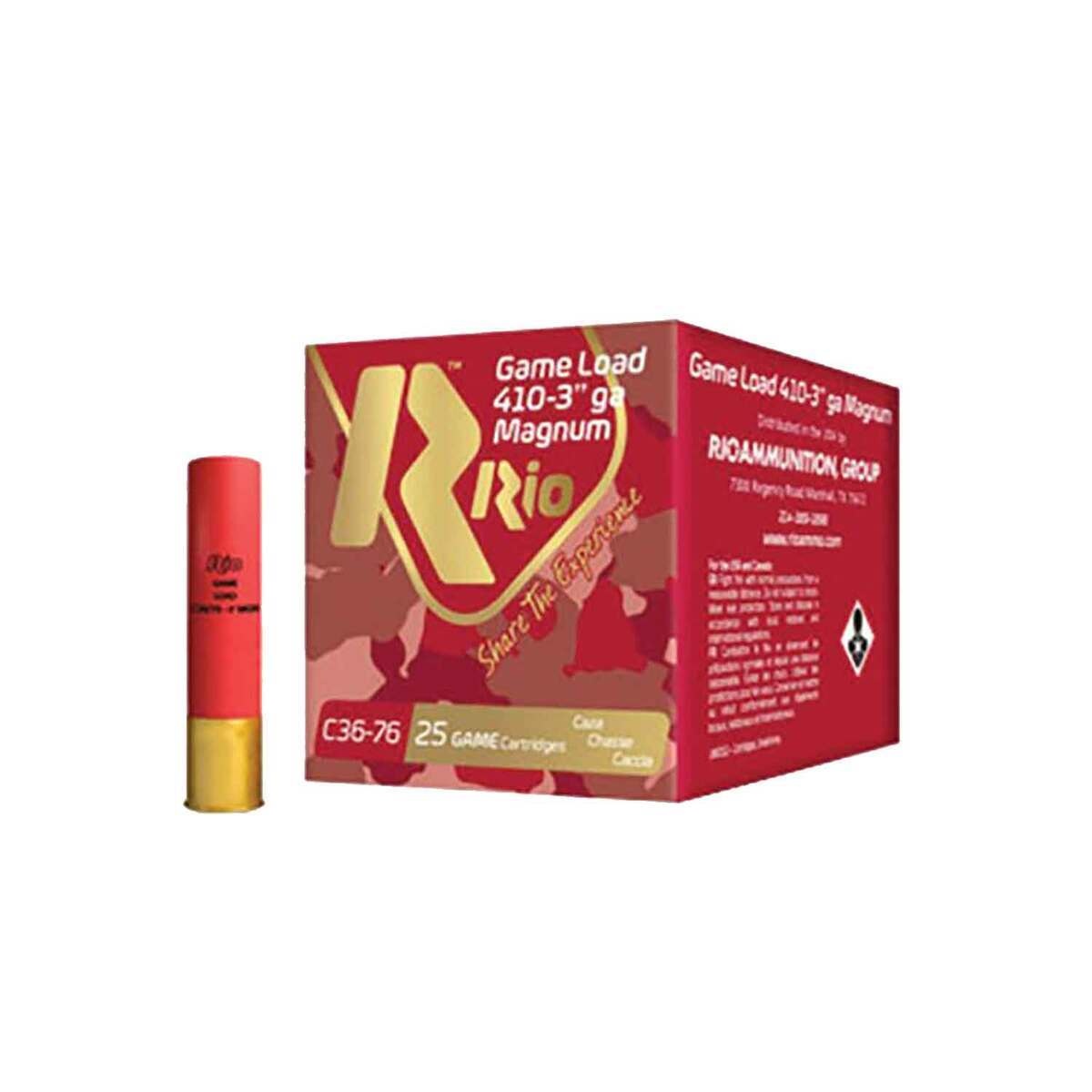
| 3 inch | ¾ oz shot (200 gr) | 3" chambers only | Hunting, defence, more pattern |
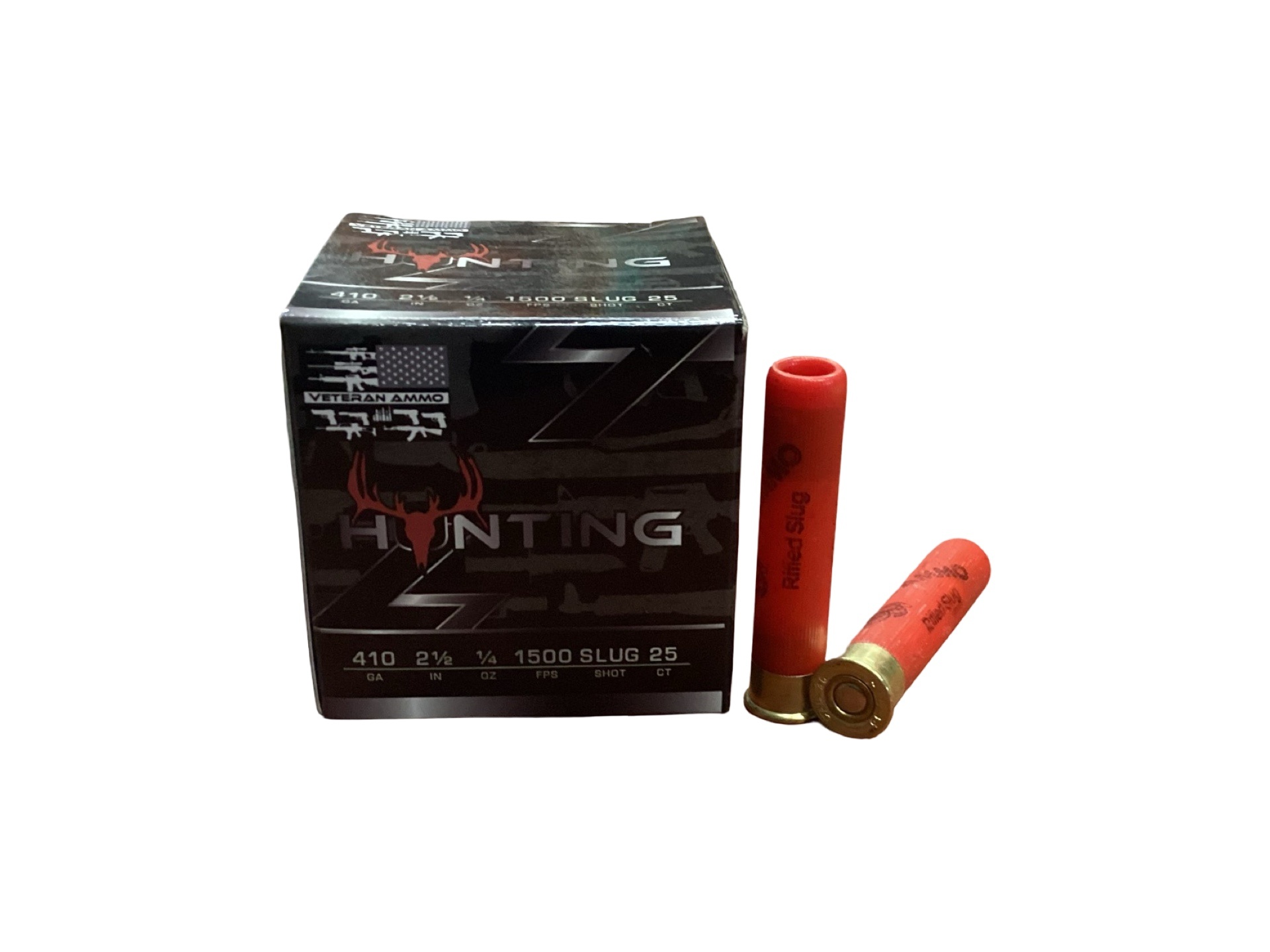
| 3 inch slug | ⅝ oz rifled slug | 3" chambers, smooth bore | Deer inside 75 yards |
A 3-inch shell buys about a quarter-ounce more shot over 2½ inch, which is a wider pattern at range and a denser one up close – but only if the gun actually chambers 3 inch. Doubles and older singles are frequently 2½ inch only; the marking is on the barrel and it is not negotiable. Carry the lighter shell in a 2½-inch gun and you have a claymore; carry 3 inch in a 3-inch gun when the birds are out past 30 yards and you will feel the difference.
The load menu
Birdshot and target loads are the bulk of the shelf: #7½ and #8 in 2½-inch hulls for practice and rabbits, #6 or #5 for slightly larger game. Pattern is everything at hunting distances. A .410 with #7½ at 25 yards throws a pattern you can cover with both hands; the same gun with #6 keeps more pellets in the fight at 35. Practise at the distance you intend to shoot.
Buckshot in .410 is a much smaller proposition than in 12 gauge. A 2½-inch 00 load carries four pellets against a 12 gauge’s eight or nine in 2¾ inch. Buffered and plated loads from Federal and Winchester tighten that pattern considerably, and they are the correct defensive buckshot – unbuffered .410 buckshot patterns poorly enough to be unreliable past arm’s length.
Slugs are a single ⅝-oz (285-grain) rifled projectile at about 1,200–1,300 fps. They work for deer inside 75 yards from a rifle-sighted gun and are marginal from a revolver. If you are buying a .410 slug for a Judge, understand that the short sight radius makes the slug a 20-yard tool, not a 50-yard one.
Defensive specialty loads exist for the revolver crowd: TSS #9 long-range turkey loads, which push nearly an ounce of extremely dense shot into a 3-inch hull, and the dedicated personal defence loads that pair buckshot with a slug or a single large ball. They are the best you can do from a Judge-class gun, and they still do not equal a 12 or 20 gauge – which is the honest reason to keep the Judge a last-resort tool rather than a primary defensive arm. For the capacity-versus-payload tradeoff from the other side of the shop, the 5.7x28mm guide makes a similar argument for a different platform.
What to practise with
For volume practice, 2½-inch #7½ target loads are the default and the cheapest way to build trigger time. The .410 bore caliber page lists what is in stock;$0.52 a round at the cheap end is still well above an equivalent 12 gauge target load, because there is less hull, less shot, and less economy of scale. .410 is never the cheap caliber; it is the light and small one.
Buy practice and hunting shells in the same length your gun chambers, and never mix lengths in a vest pocket – a 2½-inch shell in a bag meant for 3 inch is a spent round you cannot find, and the reverse will not chamber when the shot presents. For the broader case-buying logic, bulk ammo applies to .410 exactly as it does to 12 gauge.
A sensible first order
- One flat of 2½-inch #7½ for practice and small game. This is the shell that keeps a .410 honest.
- Two boxes of 3-inch hunting loads in the shot size your season calls for, if the gun chambers them.
- Two boxes of buffered buckshot if the gun has a defensive role, plus one box of the specialty load you are considering, to pattern before you commit.
.410 rewards shooters who choose shells deliberately. Match the length to the chamber, the shot to the distance, and the payload to the job – and accept that the bore is small enough that those choices, not the gun, decide whether the shot connects.
Shop this caliber
Live prices from the warehouses that have it on a shelf right now.