12 gauge ammo buying guide
A 12 gauge is three different shotguns depending on the shell: birdshot for targets, buckshot for defence, slugs for big game. The choke in the barrel decides what each one does well.
By TAS6 min read
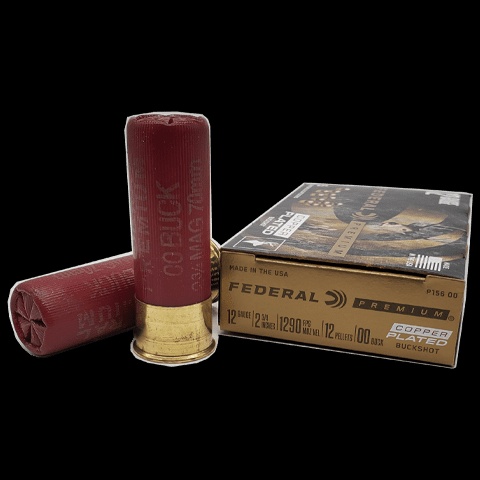
12 gauge is the most versatile chambering in the shop because the same shotgun will fire a 7/8 ounce birdshot load for clays, a 00 buckshot load for home defence, and a 1 ounce slug for deer — and the pattern you get with each one is set as much by the choke in the barrel as by the shell itself. Almost every 12 gauge buying question is therefore a shell-selection question with a choke filter attached.
The three load families
| Family | Typical payload | Velocity | Best at |
|---|---|---|---|
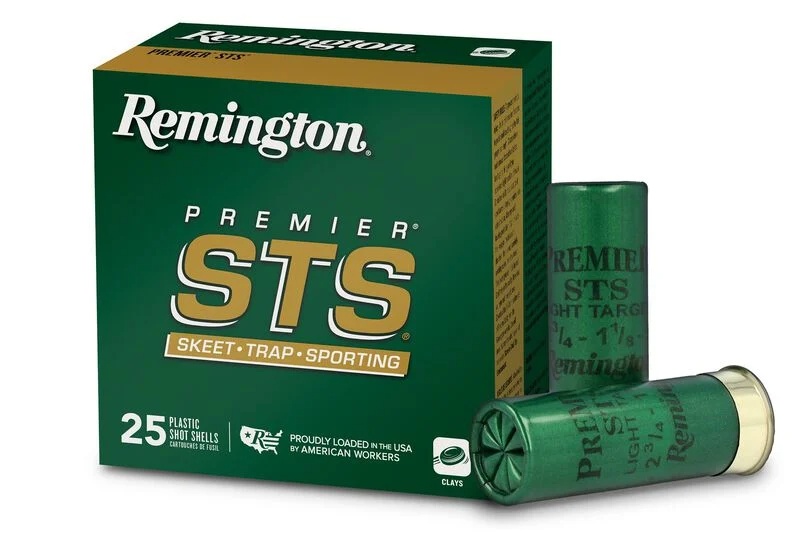
| Target / birdshot | 7/8–1 oz shot, #7.5 or #8 | 1,150–1,300 fps | Clays, small birds, practice |
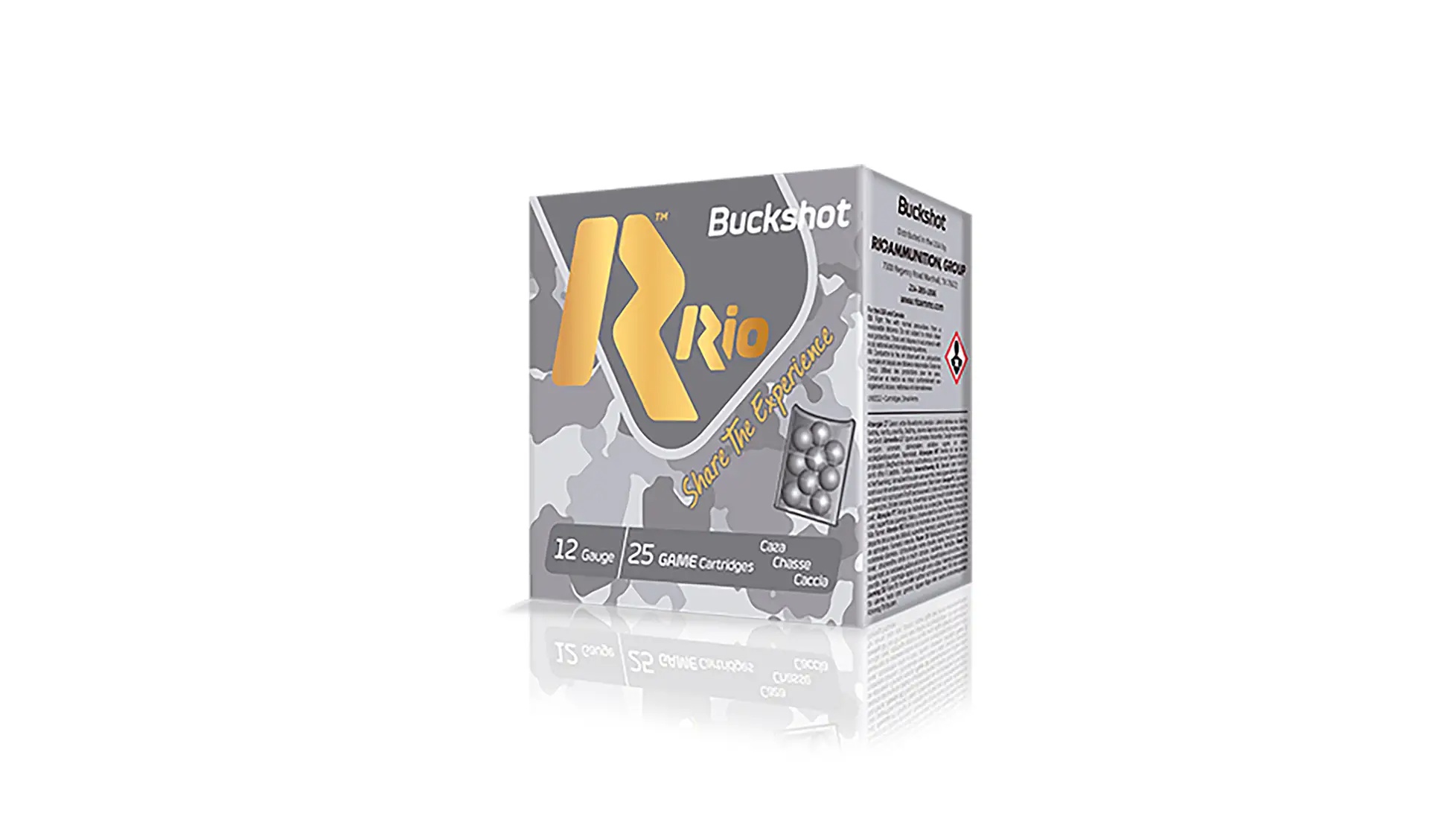
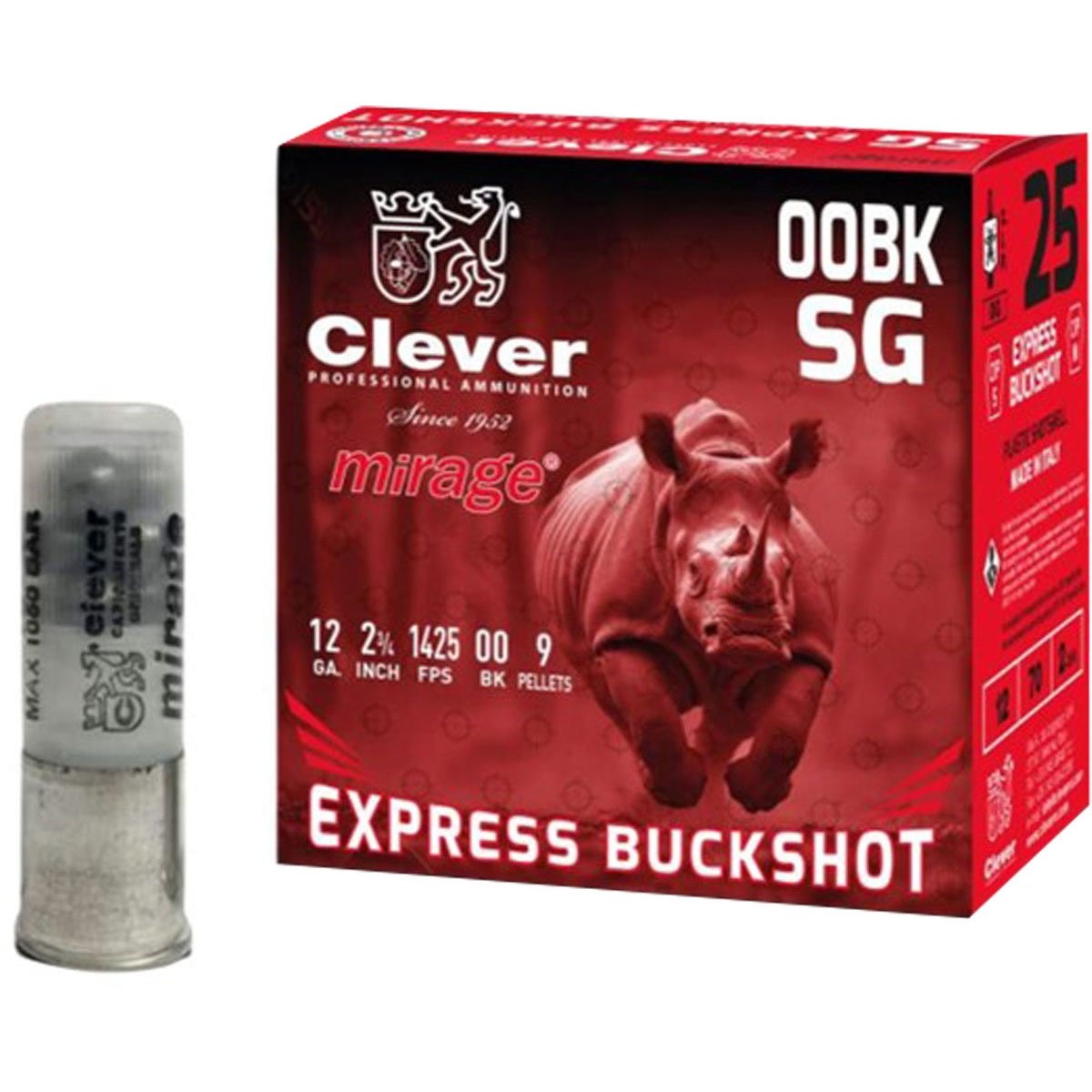
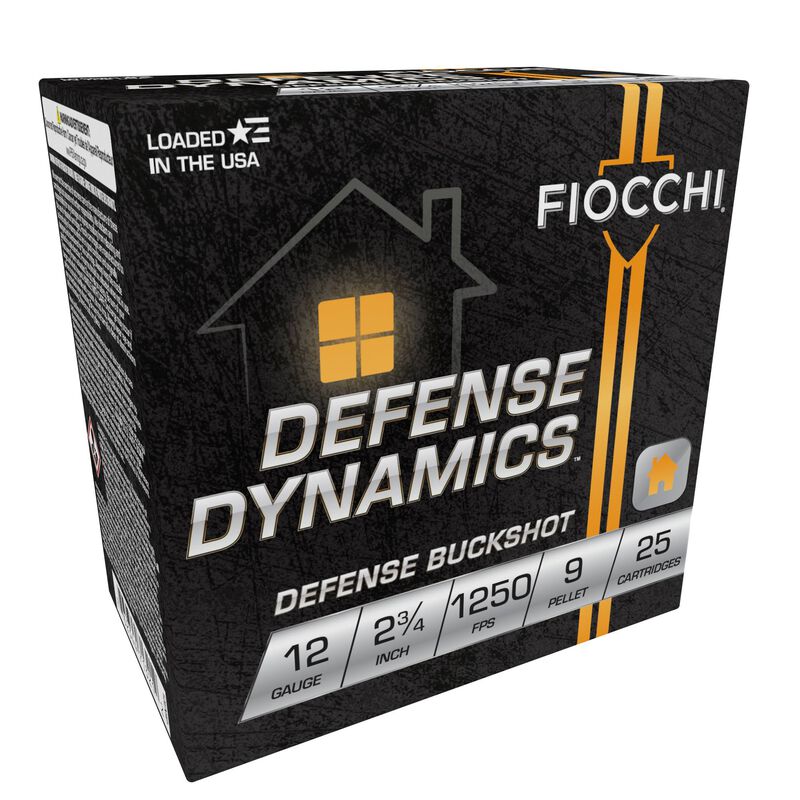
| Buckshot | 00 buck, 8–9 pellets, ~1 oz | 1,150–1,250 fps | Home defence, deer inside 50 yards |
| Slugs | 1 oz Foster or sabot | 1,500–1,600 fps | Deer, bear, heavy game |
Target loads are cheap and they are what you should practise with. A 7/8 ounce load of #7.5 or #8 shot at about 1,200 fps breaks clays reliably and recoils enough less than a hunting load that you will shoot more of them. Buy them by the flat or the case; this is the cheapest trigger time in the shotgun world.
Buckshot is the defensive and medium-game load. The standard 00 buck shell in 2 3/4" holds eight or nine pellets of .33 caliber lead, about an ounce in total, at roughly 1,200 fps. #4 buck holds more, smaller pellets — about 27 — and is a legitimate alternative for home defence when you want less risk of overpenetration through interior walls. Birdshot of any size is not a defensive load; it does not reliably penetrate to the depth required.
Slugs are a single 1 ounce projectile at about 1,550 fps — roughly the energy of a .45-70 from a carbine — and they turn a smoothbore shotgun into a short-range rifle. Foster slugs (hollow-base, rifled exterior) work from a smoothbore with a cylinder or improved-cylinder choke. Sabot slugs are designed for a rifled barrel and should not be fired through a smoothbore choked tighter than modified, where the plastic sabot can engage the constriction unevenly.
Chokes: the part most buyers skip
A choke is a constriction at the muzzle that controls how tightly the shot column holds together. From open to tight: cylinder, improved cylinder, modified, full. Some guns ship with interchangeable choke tubes; older shotguns and many slug guns are fixed at cylinder or improved cylinder.
- Target loads: improved cylinder or modified, which is why most target guns ship with those.
- Buckshot: cylinder or improved cylinder. A full choke tightens the pattern, which sounds like an advantage and usually is not — it can also increase the chance of an erratic pellet and is harder on the wad.
- Foster slugs: cylinder, improved cylinder, or modified. Full is generally discouraged and some manufacturers explicitly warn against it.
- Sabot slugs: rifled barrel only, not a smoothbore with a full choke.
Shell length and velocity notes
A 12 gauge chambered for 2 3/4" shells will also generally accept 3" shells, which carry a larger payload at a similar velocity; a 3" chamber will not accept 3 1/2" magnum shells. Read the barrel stamp. Lower-velocity “low recoil” and “managed recoil” loads exist for both target and buckshot, and they are worth considering for a home-defence gun where you may be shooting one-handed or from an awkward position.
One rule applies to a category of shooting rather than a use: waterfowl hunting requires non-toxic shot by federal law — steel, bismuth or tungsten — because of the lead accumulation it would otherwise leave in wetlands. Steel is the cheapest non-toxic option and it patterns differently from lead: it is harder and lighter by volume, so it needs a bigger pellet size for the same effectiveness and it does not compress through a tight choke. Bismuth and tungsten loads pattern more like lead and cost more; a full-choke barrel that shoots lead beautifully can be the wrong tool for steel.
The cheapest in-stock price on the 12 gauge page is currently $0.56 a round, which is target-load territory and roughly what you should expect to pay for practice ammunition. Buck and slug pricing tracks payload: a 00 buck shell costs two to four times a target load, and a premium slug more than that.
A sensible first order
- A flat of target loads — 250 rounds of 7/8 ounce #7.5 or #8 — for practice and to find out which chokes your gun patterns best with.
- Two boxes of 00 or #4 buck for verification and home defence, in the length your chamber accepts.
- A box of Foster slugs if you hunt or want the option, and a pattern test at 50 yards if you do.
The full shell menu, sorted by payload and shot size, is on the 12 gauge caliber page. If you are trying to decide between this and a 20 for a smaller-framed shooter, the 20 gauge guide covers the trade, and the storage side of owning several shell types is in storing ammunition properly.
Shop this caliber
Live prices from the warehouses that have it on a shelf right now.