7.62x39 vs 5.56: two rifles, two doctrines
The two intermediate cartridges that defined the Cold War still sell today, but the ammunition market behind them has moved in opposite directions.
By TAS6 min read
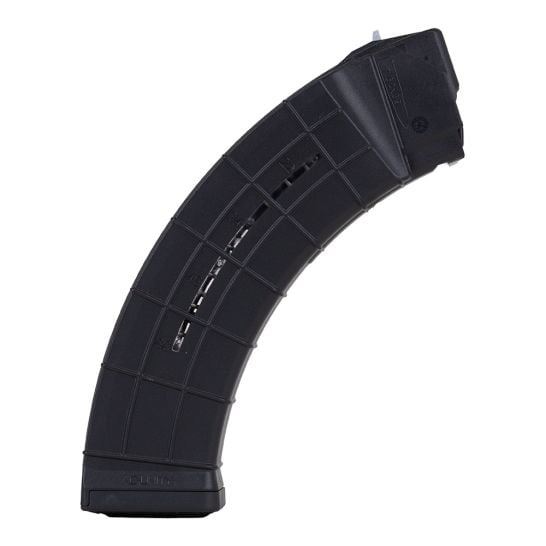
7.62x39 and 5.56x45 are the two cartridges that made the modern infantry rifle: one designed around a heavy bullet at moderate velocity for engagements the designers expected to happen inside three hundred metres, the other around a light bullet at high velocity for a longer, more accurate service rifle. The doctrine gap has narrowed. The market gap has not.
What each cartridge was designed to do
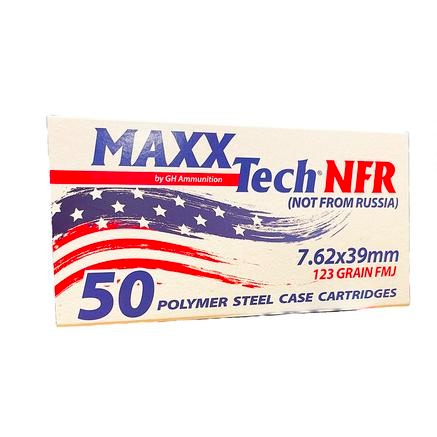
7.62x39 came out of the Soviet programme that produced the SKS and the AK-47: a 123 grain bullet at about 2,350 fps from a 16" barrel, in a tapered case built for positive feeding in filthy actions. It is a short-range cartridge by design. The bullet carries more mass than 5.56 and sheds velocity faster; inside two hundred yards it hits harder than the 55 grain 5.56 load, and past four hundred the advantage reverses completely.
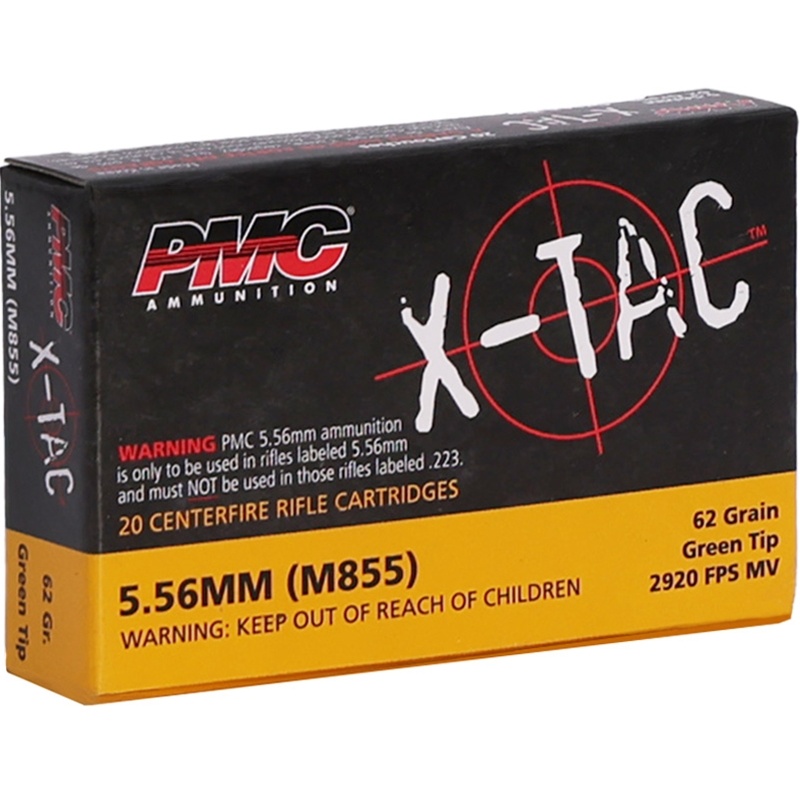
5.56x45 NATO grew out of the American conclusion that hit probability mattered more than energy on impact: a 55 grain bullet at roughly 3,200 fps from a 14.5–20" barrel, flatter to intermediate ranges and far better at holding a group at distance. Modern loads stretch the useful envelope further: 62 grain soft points for barrier work, 77 grain match bullets out of 1:7 twist barrels for precision.
| Cartridge | Typical bullet | Velocity | Character | Useful range |
|---|---|---|---|---|
| 7.62x39 | 123 gr soft point / FMJ | ~2,300–2,400 fps | Heavy, moderate recoil, drops faster | 0–300 yd |
| 5.56 | 55–62 gr FMJ / soft point | ~3,100–3,250 fps | Light, flat, mild recoil | 0–500+ yd |
The ammunition market in 2026
This is where the comparison stopped being symmetrical. For years steel-cased 7.62x39 was the cheapest centerfire rifle ammunition in America, imported in bulk from Russia and the former Soviet bloc. Sanctions and import restrictions removed most of that supply, and domestic production never fully replaced it. The result is a cartridge that still works perfectly well but costs more per round than it used to, with fewer brands on the shelf.
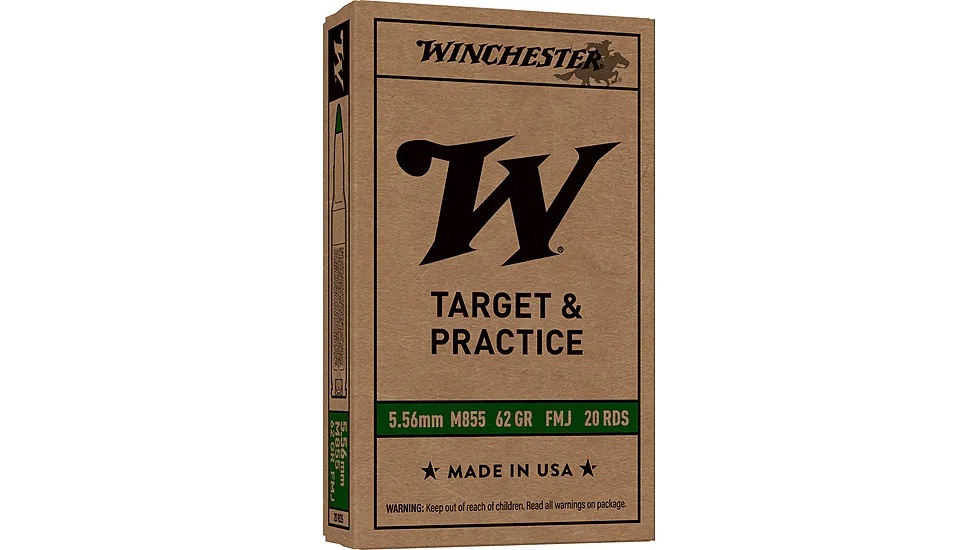
5.56 went the other direction. 5.56 NATO currently starts at $0.52 a round, with multiple domestic producers (Federal XM193, Winchester, PMC, Hornady Frontier) competing at every tier from bulk FMJ to match. 7.62x39 starts at $0.67 a round, and the shelf behind that number is thinner: fewer brands, fewer bullet weights, and a dependence on imported steel case that makes the price more volatile than 5.56.
If you are buying ammunition by the case, that volatility matters as much as the per-round number. How to work the comparison properly is in price per round.
Terminal performance and hunting
For defence and general use the terminal story is simple: 5.56 FMJ at velocity fragments or yaw reliably inside the target, while 7.62x39 FMJ tends to behave like a full metal jacket anywhere — which is to say it punches through and keeps going. Neither is a defensive load of choice; both have purpose-built hunting and defensive options that transform the picture.
For hunting, the advantage flips to 7.62x39 inside its useful range. A 123 grain soft point at 2,300 fps is a legitimate small-deer cartridge at inside two hundred yards, and the AK platform’s speed of follow-up shots is a real factor in thick cover. 5.56 soft points (62 grain, or heavier in faster twist) work for predator and varmint hunting and for deer in states that allow it, but the lighter bullets are marginal on medium game and the cartridge rewards shot placement far more strictly.
If hunting with an intermediate cartridge is the goal, the other comparison worth reading is .308 against 6.5 Creedmoor, where both sides are firmly in medium-game territory.
Platform and logistics
The rifle ecosystems are largely sealed. 7.62x39 AR uppers exist but are harder to keep running than 5.56 uppers (the tapered case and harder primer strikes wear extractors); AK-pattern rifles are the natural home, and they are excellent. 5.56 owns the AR-15, the largest aftermarket in the world, and every accessory, barrel twist, and magazine variant you could want. If you already own an AR-15 in 5.56, adding 7.62x39 means a new upper, new magazines, and a willingness to treat the combination as a second rifle rather than a conversion.
- 7.62x39: the choice for AK-platform owners, for hunters who want a heavier bullet at moderate range, and for anyone who values the cartridge’s demonstrated reliability in bad conditions over long-range performance.
- 5.56: the choice for AR-15 owners, for anyone shooting past three hundred yards, and for the shooter who wants the cheapest, most available, most varied ammunition supply of any centerfire rifle caliber.
The verdict, as a rule
If you are buying one rifle and one caliber: buy 5.56. The market depth, the platform support, and the flatter trajectory make it the better default for almost every use case an American shooter actually encounters. Browse 5.56 NATO.
If you already own an AK, or you hunt inside three hundred yards and want a heavier bullet: keep 7.62x39 in the rotation, and buy quality soft points rather than the cheapest steel-case FMJ when it counts. Browse 7.62x39.
The mistake to avoid is buying 7.62x39 for an AR-15 as a “more powerful 5.56”. It is not more powerful at the ranges where 5.56 earns its reputation, and the platform tax is continuous. The related argument about cartridge interchangeability in the same rifle family is covered in 5.56 against .223, where the wrong substitution is a chamber problem rather than a purchase problem.
Shop this caliber
Live prices from the warehouses that have it on a shelf right now.