Best gun cleaning kit: what you need and what you do not
The best cleaning kit is four items and a spare patch. Almost everything else in a forty-piece universal set is brass you will never use.
By TAS6 min read
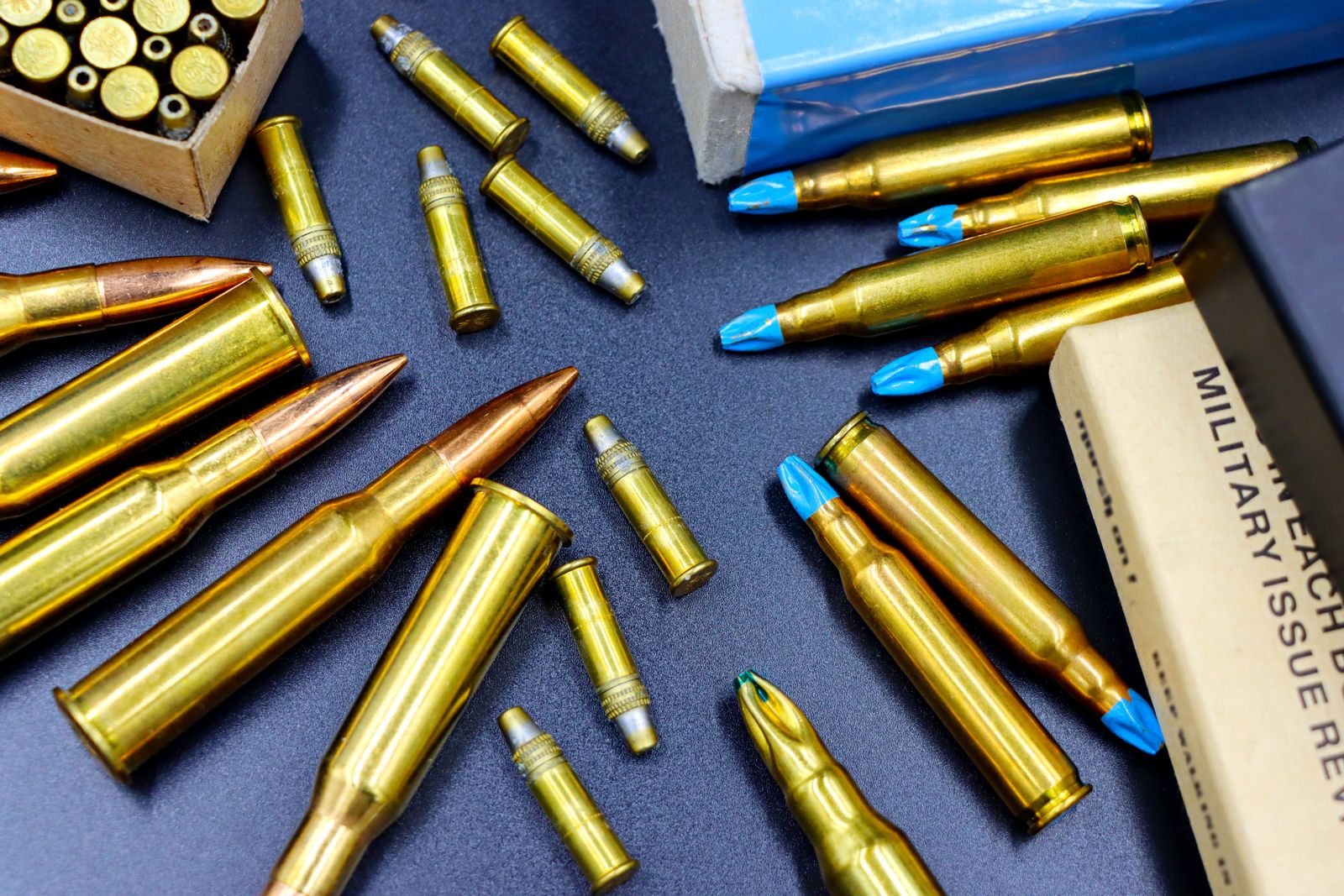
The best gun cleaning kit is small, boring and caliber-specific: a bronze bore brush per caliber you own, a rod or a bore snake, one solvent, one lubricant, and a pile of patches. Everything a beginner owns beyond that is usually bought because the case looked comprehensive. Comprehensive is not the goal — a gun that gets cleaned twice a month with four tools outlasts one cleaned twice a year with a drawer full of attachments.
Bore brushes: the only part that must be caliber-specific
A brush that is undersized does nothing and one that is oversized gouges nothing but your patience. Bronze is the right material for a bore: hard enough to break up copper and carbon fouling, soft enough not to touch steel. Nickel-plated brushes cost more and do the same job; nylon brushes are for wiping, not for removing anything set in.
Two brushes per caliber is enough — one in use, one spare — plus a brass jag for patches, which seats a patch squarely against the bore in a way a slotted holder never quite does. If you own a pistol in one caliber and a rifle in another, you need exactly two brushes, not a tin of thirty. That is the first thing universal kits get wrong: they optimise for the number of pieces in the case rather than for the calibers in your safe.
Rods: the three-piece truth
A cleaning rod is a long lever, and every joint in it is a place where it flexes. A three-piece sectional rod in a hard case is what most kits ship, and it is the weakest item in the box: the joints loosen, the rod bows under pressure, and the brush scrubs the bore unevenly — usually hard on the right and light on the left, which is exactly what you will notice in your groups later.
- One-piece, always. Carbon fibre or solid aluminium with a brass or coated tip is the whole upgrade. It stays straight for years and costs less than one box of premium defensive ammunition.
- Clean from the breech. Rear-loading preserves the crown, which is the single most accuracy-relevant inch of the barrel. If the design forces you to come in from the muzzle, use a guide and be gentle.
- A bore snake is not a substitute, but it is not a gimmick either. For a field wipe or a range-session touch-up it does eighty per cent of the work in thirty seconds. For removing real fouling after a hundred rounds it is a first pass, to be followed by a brush.
Solvents, lubricants, and the minimum that works
Three jobs, two bottles, and a clear division between them:
- A bore solvent dissolves copper fouling and carbon. Apply it, let it sit for the time on the label, then brush. Solvent does the chemical work; the brush only provides the contact.
- A lubricant goes where metal rubs metal — slide rails, bolt lugs, the back of a cylinder crane — and nowhere else. A thin film, wiped off the excess. Oil in the chamber and oil in the bore are how you get a first-round strike that will not light, which is a failure this shop has written about before: contaminated primers fail the same way.
- Patches for the wipe-out. Cotton, cut to caliber, kept somewhere that is not the solvent drawer.
A quality CLP — cleaner, lubricant, protectant in one bottle — is a legitimate simplification for a gun cleaned weekly. It is a poor substitute for a dedicated solvent in a rifle that has not been copper-cleaned in a season. One of each, labelled, beats four unlabelled aerosols.
Universal kit against caliber-specific
Neither is automatically right; the question is what you own. If the safe holds three handguns and a shotgun in three bores, a well-chosen universal set with a decent one-piece rod — or three separate brushes in a pouch — costs less than three mini-kits and takes up a third of the space. If you shoot one rifle seriously, a caliber-specific kit with the correct brush, jag and rod length is better value than the same money spread across calibers you will never clean.
What to check before buying anything: does the rod come in one piece, is the brush actually in your caliber, is there a jag, and does the case have somewhere for solvents that will not leak onto everything else. Those four questions eliminate most of the shelf.
A shopping order that works
- One-piece rod in the longest length your barrel allows, with a handle that does not spin freely.
- Two bronze brushes and a jag per caliber, and a bore snake for each gun as the fast option.
- One bore solvent, one lubricant, one bottle of CLP if you want the shortcut.
- A bag of patches, a small brush for actions and recesses, and a mat to catch what falls out.
- A tube of grease for high-friction spots if your manual calls for it, and nothing your manual does not.
That is a kit, and it is cheaper than the universal case sitting beside it. Keep it away from where ammunition lives — solvent and primer compounds do not mix, a point the storage guides make at length — and remember that a clean gun matters most because it is the one that feeds reliably: fouling that gets into a chamber shows up as a failure to feed, and dirty cases picked up off a range floor show up the same way. Brass that has been through dirt once will be discussed again in brass against steel.