Brass vs steel case ammo: the extractor argument, measured
Steel case ammunition saves real money and costs you cleaning time. What it does to barrels and extractors is smaller than the argument around it.
By TAS6 min read
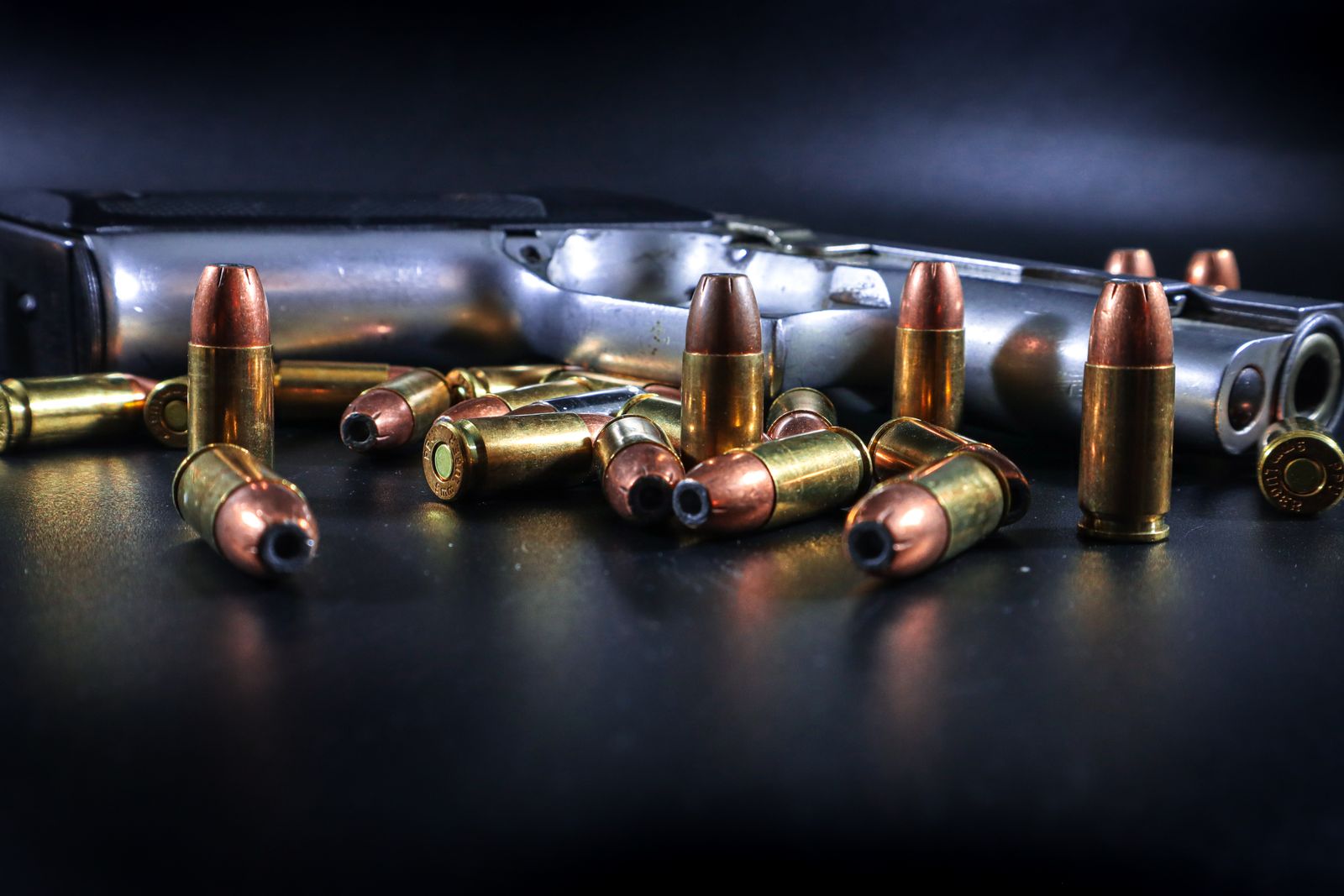
Steel-cased ammunition is cheaper for a straightforward reason: brass is a commodity worth money, and steel is not. That is the whole price story. Whether steel costs you more in return — in cleaning, in worn parts, in reliability — is a separate question, and the honest answer is that the real differences are narrower than the internet believes, with one exception that ends the debate for some shooters entirely.
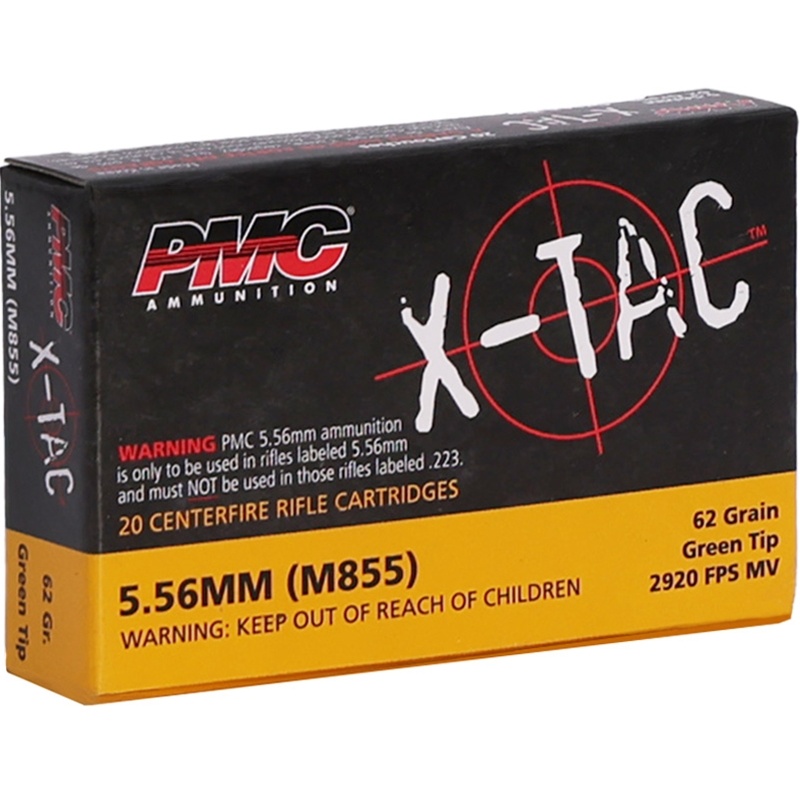
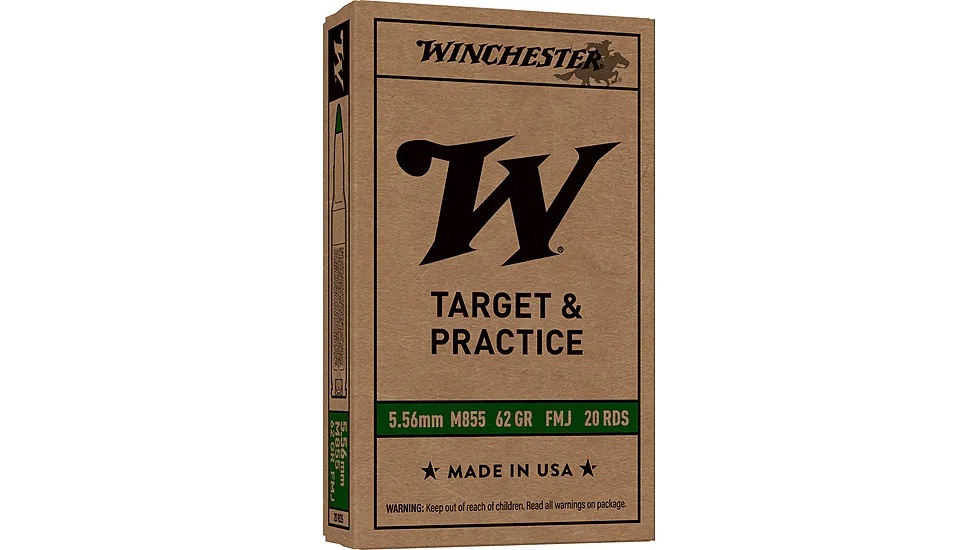
Cheapest 5.56 runs $0.52 a round and cheapest 7.62x39 $0.67 a round, with 9mm sitting between them at $0.27. Steel is what makes those floors possible.
Why steel is cheaper
Three reasons, in order of size.
- Scrap value. Spent brass is worth real money to reloaders and recyclers — often well over a dollar a pound once it is clean and deprimed — and that value is priced back into a new cartridge. Steel cases are worth almost nothing after firing, so that cost never enters the price.
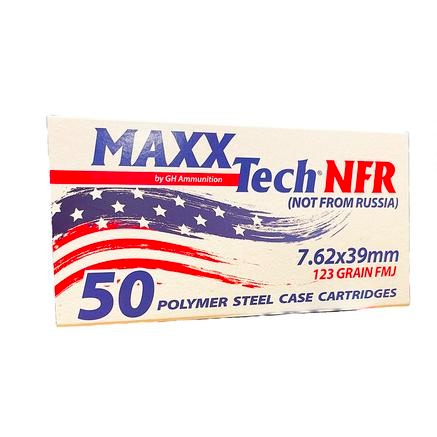
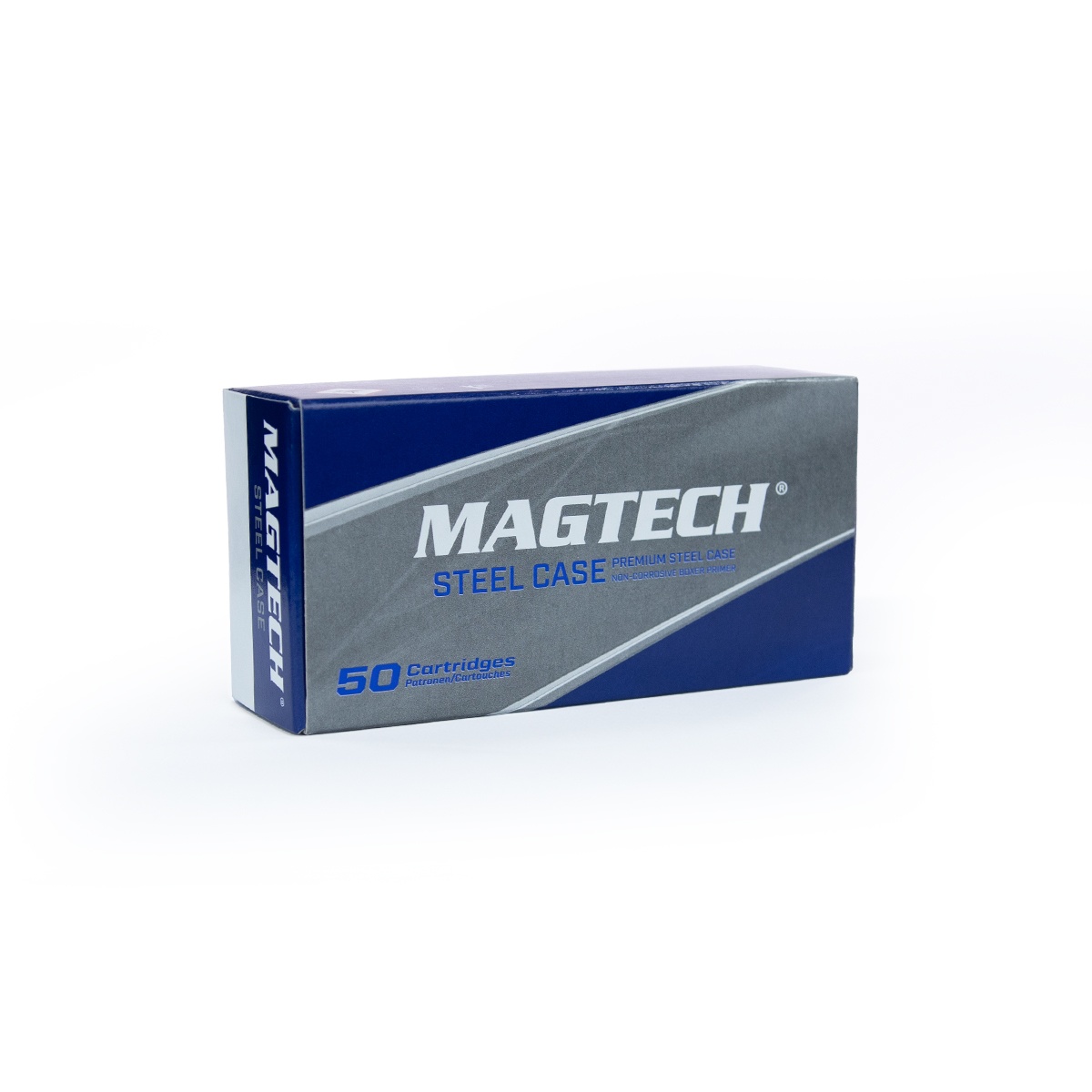
- Material and forming. Brass is a copper-zinc alloy that machines and forms easily and springs back when a cartridge fires, sealing the chamber. Steel is harder on tooling and does not spring back the same way, so steel cases are thinner, often tapered, and lacquer- or polymer-coated to keep them from rusting and to help them leave the chamber.
- Where it is made. Most steel-cased ammunition comes from plants with lower labour and energy costs, and that gap is doing more of the pricing work than the metal is.
The wear debate, measured
The claim that steel cases “eat extractors” deserves its own paragraph, because it is the one that gets repeated most confidently.
The mechanism people describe is real in principle: steel is harder than brass, and a steel rim is rougher on an extractor claw over thousands of cycles. What the long-running tests and high-volume shooters consistently find is that this is not what ends a gun’s life. Barrels are worn by bullet friction and heat; extractors are worn by cycles and by the ammunition’s consistency, not by case material. A rifle fired to destruction on steel will have a shot-out barrel, not a defeated extractor.
What steel does do is run dirtier. Cases that do not seal the chamber as tightly let more gas blow back into the action, which deposits more carbon on the bolt face, the rails and the chamber wall. Over a thousand rounds that is a cleaning difference, not a parts failure. Which is why this topic sits next to the cleaning kit in any sensible shopping basket: if you shoot steel, budget a wipedown every few hundred rounds rather than every thousand.
Where steel actually struggles
The complaints that hold up are not about wear, they are about consistency:
- Harder primers. Some steel-cased loads use primers at the firm end of the spectrum, and light strikes in guns with weaker firing-pin springs are a documented, reproducible complaint rather than a myth.
- Case geometry. Thinner, more tapered cases and inconsistent neck tension mean occasional failures to feed, and a squib or a split case is more likely with a cheap load than a premium one, in brass or steel alike.
- Chambers. Guns built to tight match tolerances are less forgiving of dimensional variation. A military-pattern rifle with a generous chamber is where steel-cased ammunition was designed to run.
- Steel itself corrodes. Lacquer and polymer coatings protect it, but a scratched case in a damp basement rusts faster than brass. That is a storage problem as much as an ammunition one.
None of these is a reason to avoid steel for practise. All of them are reasons to run a few boxes through your particular gun before buying a case of anything — the same rule that applies to buying by the case.
The reloading variable that ends the debate
This is the part that turns a preference into a decision. Brass cases are reloadable, typically five to ten times, and each reload returns most of the case’s cost. Steel cases generally are not: the metal does not spring back to hold a primer pocket reliably, the case is not formed to be resized consistently, and a large share of steel ammunition is berdan-primed, which needs special tooling to deprime at all. Some shooters do reload steel a time or two with effort; nobody builds a practise budget around it.
Which splits the market cleanly:
- If you reload, or might, brass is not a preference, it is the source of your ammunition. Buy brass, keep it, police your brass at the range. The effective price gap between steel and brass shrinks toward nothing once the case can be used again.
- If you do not reload, steel-cased practise ammunition in a gun known to digest it is the cheapest real option on the shelf, and the cost of that saving is a wiped bolt and a check of the range rules.
- For anything you carry or hunt, buy brass. Not because steel is dangerous — it is not — but because the round that matters should not be the one you are still learning the quirks of, and the same discipline that applies to defensive loads applies here: verify the load, then commit. The reasoning behind that split is in the 9mm buying guide, where practise and purpose rounds get separate lines of the receipt.
The decision rule in one sentence: shoot steel if you do not reload, your gun runs it, and your range allows it — and shoot brass for everything else, because brass is either your practise ammunition or your future reloads.
Shop this caliber
Live prices from the warehouses that have it on a shelf right now.