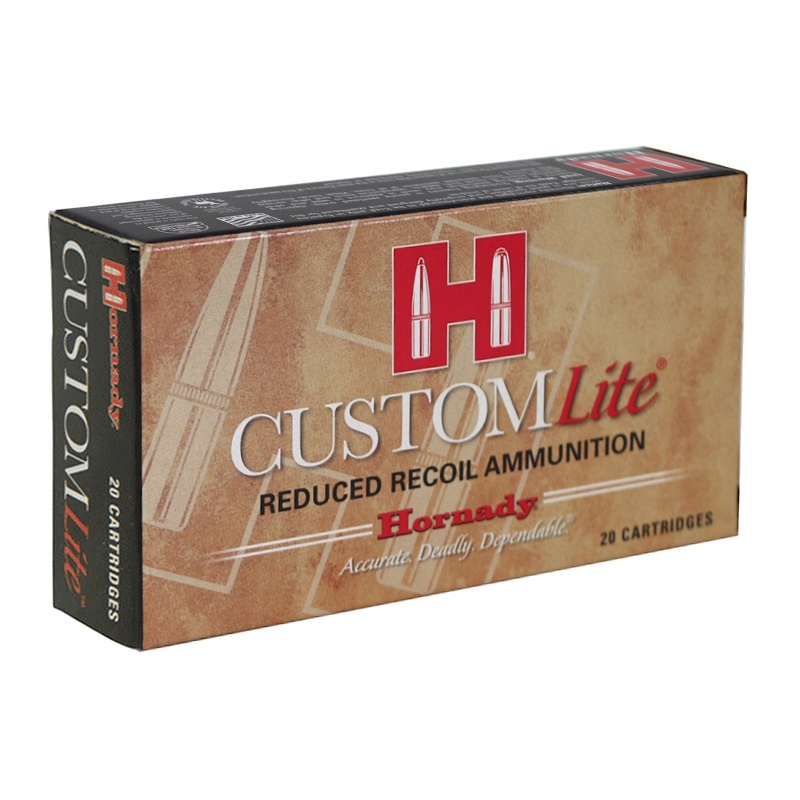
.243 Winchester ammo buying guide
.243 Winchester is the classic two-job cartridge: light bullets for varmints, heavier ones for deer, and recoil mild enough that a lot of shooters are handed one first.
By TAS6 min read
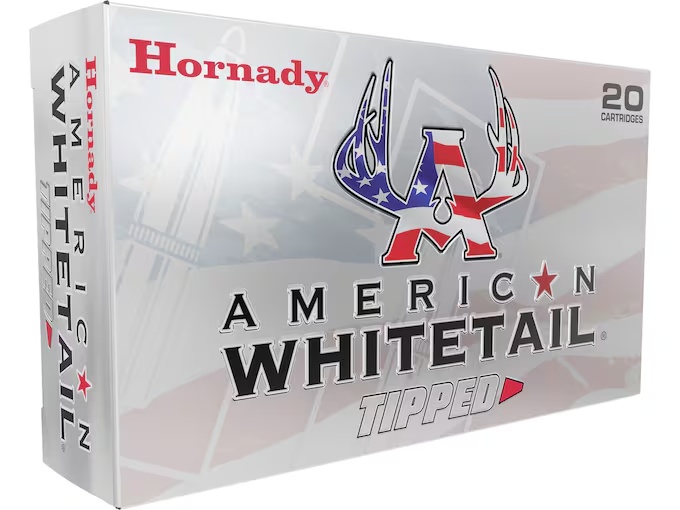
.243 Winchester has been the classic first deer rifle since 1955 for a simple reason: one cartridge, two jobs, and recoil mild enough that a new shooter can practise without learning a flinch. The factory load ladder is deep — 80–85 grain varmint bullets and 90–100 grain hunting bullets, both available from every major manufacturer. Choose the job, buy the bullet, and stop optimising.
What the cartridge is for
Parented on .308 and necked to 6mm, .243 throws light bullets fast. A 100-grain hunting load typically leaves a 22–24-inch barrel near 2,900–3,000 fps; an 85-grain varmint load near 3,300–3,400 fps. That combination covers antelope, deer and similar game at normal hunting distances, and coyotes and groundhogs when you switch to the lighter bullet.
Recoil is the quiet advantage: roughly 10–13 ft-lbs from a standard-weight rifle, which is easy to shoot all session. That is why it endures as a youth and first-rifle chambering, and why plenty of adults keep one for the same reason — accurate beats impressive when the shot is at 200 yards across a wheat stubble field.
Wind is the limit more often than energy. A 100-grain spitzer drifts faster than a heavier high-BC bullet once the gusts pick up, which is why open-country hunters build dope for the rifle and the weather rather than for the catalogue number. Inside 200 yards with a solid rest, the cartridge is easy mode.
The load menu
| Bullet weight | Typical velocity | Character | Best at |
|---|---|---|---|
| 80–85 gr | ~3,300–3,400 fps | Fast, light, rapid upset | Varmints, coyotes, target work |
| 90–95 gr | ~3,100–3,200 fps | Middle ground | Deer at moderate range, lighter game |
| 100 gr | ~2,900–3,000 fps | The deer default | Deer, antelope, general hunting |
Federal, Hornady, Remington, Nosler, Winchester, Barnes and others keep multiple lines in production — from soft points to polymer tips to monolithic hunting bullets. Live pricing on the .243 Winchester shelf sits around $1.62 a round for the cheapest in-stock load when cases are stocked. Premium hunting bullets cost more; the practice/hunting split still applies.
100 grain against 85 grain
The split is the whole cartridge in two boxes. 100-grain soft point or polymer tip is the default deer load: enough mass for a clean ethical shot inside 300 yards, mild recoil, and a wound channel that does not depend on explosive expansion. 80–85-grain varmint loads are for predators and small game where rapid upset matters more than weight retention.
Do not hunt deer with a fragmenting varmint bullet because it was cheaper or because you already had the box. Do not burn 100-grain premium hunting bullets on paper if mid-grade soft points will do the zero work. The grain-weight mechanics are in understanding grain weight.
What to practise with
Mid-grade soft points in the same weight as your hunting load are the right volume tool. Buy by the case when you shoot often — the per-round case price is almost always the better unit cost. Keep one box of the actual hunting load for final zero and a short verification group before season.
The case-versus-box arithmetic is in bulk ammo. Comparing by the round rather than the box is in price per round.
Common mistakes
- Zeroing with varmint loads and hunting with deer loads. Point of impact can move an inch or two at 200 yards between 85 and 100 grains. Zero the hunting load.
- Treating .243 as a long-range magnum. It is a 200–300-yard hunting cartridge for most people, with wind as the limit before energy is. Light bullets drift faster than heavier high-BC options once the wind gets up.
- Ignoring twist rate on older or specialty barrels. Most hunting barrels stabilise 100 grain fine; if yours is a fast twist varmint barrel, confirm before you buy heavy bullets.
- Buying the cheapest box for the season’s only hunt. Practice cheap, verify expensive — not the reverse.
- Handing a new shooter a hot load to “see how it feels.” Start with mid-grade practice ammunition and let them build a group before you introduce the hunting bullet.
Those mistakes share a root: treating a two-job cartridge as a single undifferentiated product. Keep the varmint box and the deer box labelled separately in the cabinet. Mixed-up ammunition is how a season ends early.
For the broader first-deer-rifle conversation and how .270 compares as a step up in reach, see .270 Winchester.
A sensible first order
- One box of 100-grain soft point to zero and decide the hunting load.
- One case of the same weight mid-grade load for practice through the year.
- One box of 85-grain varmint load only if you actually shoot predators or small game at the distances where the lighter bullet earns its keep.
- One spare box of the hunting load for the season and a rotation top round.
Check the live .243 Winchester page for current stock and case pricing. For the quieter centerfire step below this one, see .22 Hornet. For the step up in reach that still keeps mild recoil, see .270 Winchester.
Shop this caliber
Live prices from the warehouses that have it on a shelf right now.