.30 Super Carry ammo buying guide
.30 Super Carry sells on one claim: a narrower case that lets a slim pistol hold more rounds than 9mm. The ammunition menu is short, the defensive loads are serious, and you need a gun that chambers it.
By TAS6 min read
.30 Super Carry is a recent cartridge with one clear argument behind it: a narrower case lets a carry pistol of the same external size hold more rounds than 9mm. It is worth buying if you already own — or are deliberately buying — one of the few pistols chambered for it. If you are still choosing a platform, the honest question is whether the extra capacity justifies a thinner, smaller-diameter bullet and a shorter factory load menu.
What the cartridge is for
Federal introduced .30 Super Carry to hit a design target that 9mm cannot reach in a given grip size: more cartridges across the same magazine length, without stepping up to a longer case or a wider body. The case head is narrower than 9mm and the overall loaded length is shorter, so a double-stack magazine of the same outside dimensions simply fits more rounds. In practice that often means two additional rounds in a micro-compact versus the same gun in 9mm.
Ballistically it is not trying to beat 9mm for energy. Typical factory numbers from a short barrel sit around 1,200 fps for a 75-grain FMJ and roughly 1,050–1,150 fps for a 100-grain defensive hollow point, depending on barrel length. Muzzle energy is close to mid-weight 9mm from a similar gun. The case for the cartridge is capacity and shootability, not a step-change in terminal ballistics.
The load menu
| Load type | Weight | Character | Role |
|---|---|---|---|
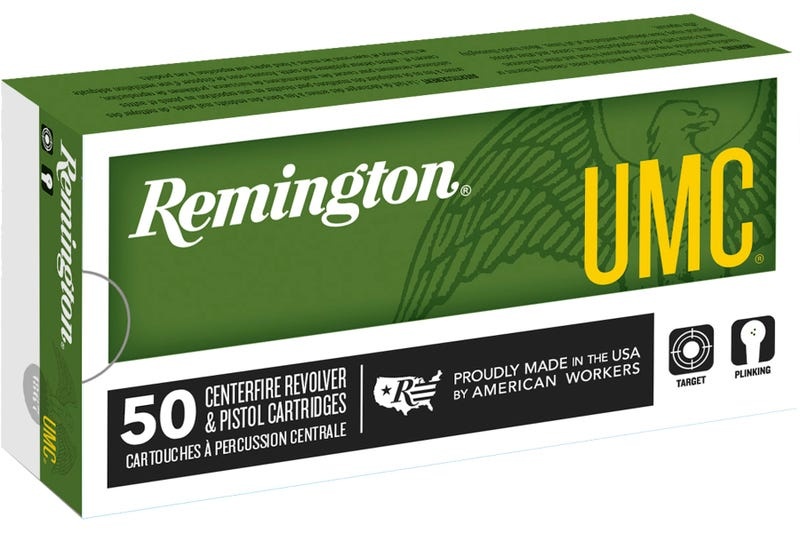
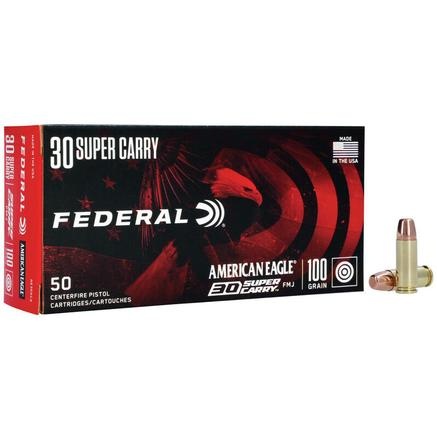
| FMJ / full metal jacket | 75 gr | Fast, light, clean-running | Volume practice, range work |
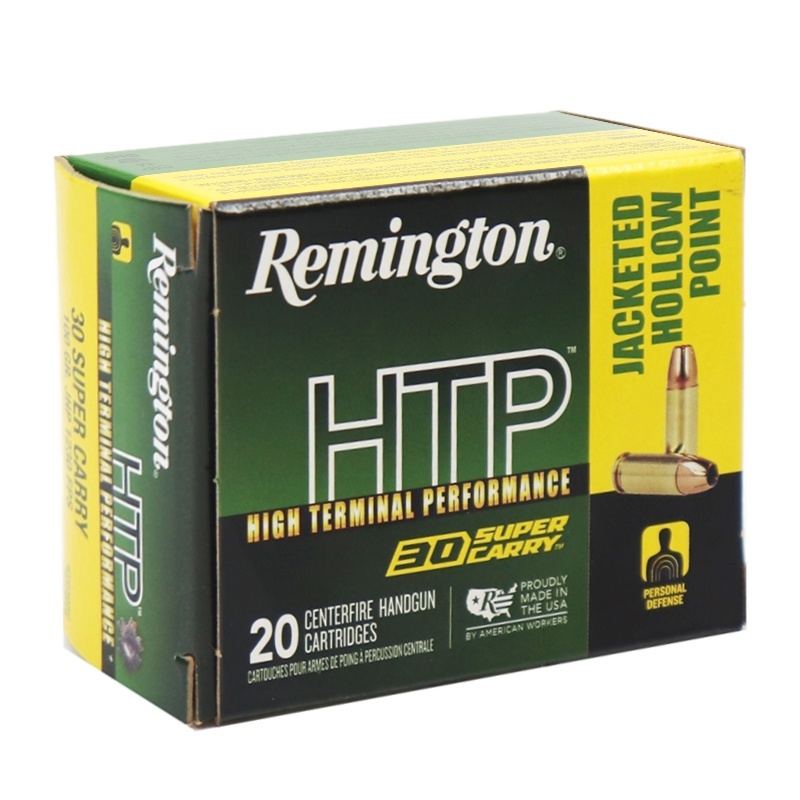
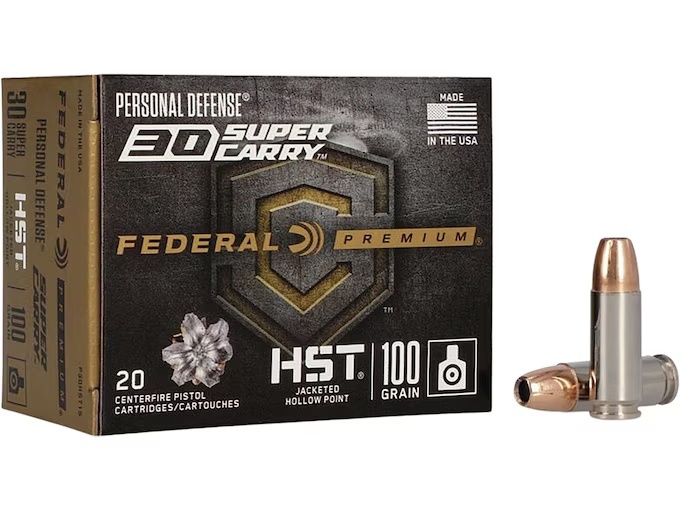
| Defensive hollow point | 100 gr | Bonded or engineered expansion | Carry load, barrier-aware designs |
| Expanding / monolithic hunting-style | 100 gr | Controlled expansion | Where legal, small game and pests |
The shelf is still thinner than 9mm — that is the main cost of a newer cartridge. Federal is the primary commercial source for both practice and defensive loads, and the live .30 Super Carry price moves with stock; when cases are available the per-round figure is around $0.41. Expect practice FMJ to track close to mid-grade 9mm once case pricing is available, and defensive hollow points to sit in the usual two-to-three-times band above that. Check both live shelves before you decide the capacity premium is worth a separate inventory.
Practice against carry
Practise with the 75-grain FMJ. It is the economy load, it is what most range sessions will burn, and it keeps the cost of ownership close to 9mm rather than exotic. Recoil character is mild: light bullet, moderate velocity, a flat and quick impulse rather than a heavy push.
Carry a 100-grain hollow point from a manufacturer that publishes barrier and gel work. The same names that dominate the defensive 9mm conversation produce loads here as well; look for bonded or otherwise engineered designs that still expand after clothing, and for brands that test from short barrels rather than only from a 4-inch test gun.
Do not practise exclusively on carry hollow points. At two to three times the price of FMJ you will shoot less, and the only rounds that need to be perfect are the ones in the magazine you actually carry. Train with FMJ in the same weight family as your carry load where possible; the 75-grain FMJ is the normal practice partner for a 100-grain defensive load in this cartridge.
Which pistols chamber it
The factory list is short but real. Smith&Wesson’s Shield Plus line and FN’s Reflex are the main production pistols, with additional entries appearing as the cartridge gains traction. Before you order a case of ammunition, confirm the exact model and variant on the slide and in the manual; chambering is not interchangeable with 9mm despite the shared magazine footprint in some designs.
Magazine design is where the capacity argument lives. A slim double-stack that holds, say, 13 rounds of 9mm often holds 15 of .30 Super Carry at the same external grip width, because each shorter, narrower case leaves room for another cartridge. That is the whole engineering case. Whether two extra rounds matter more to you than the wider bullet and deeper factory shelf of 9mm is a personal call, not a marketing one.
Grip texture, trigger reach and concealment still decide most carry purchases long before ballistics do. If the Shield Plus in .30 Super Carry fits your hand better than the same gun in 9mm, you will shoot it more — and a cartridge you shoot well beats a cartridge you argue about online.
If you do not own one of those guns, .30 Super Carry is not a “next step up” from 9mm on paper. It is a platform decision first, ammunition second. The full comparison argument lives in 9mm against .45 ACP, which still frames the capacity-versus-mass trade most shooters are actually making.
A sensible first order
- One case of 75-grain FMJ for practice, if you own the gun and will shoot it regularly. Check the live .30 Super Carry page for case pricing and stock.
- Two boxes of your chosen defensive load — one to verify function and zero, one to keep loaded and sealed.
- A third defensive box for rotation once you have settled on the load, so chambered-round rotation does not leave you short.
For the revolver side of the multi-caliber conversation, see .32 H&R Magnum. How to compare any of this by the round rather than the box is in price per round.
Shop this caliber
Live prices from the warehouses that have it on a shelf right now.