.300 Blackout vs 5.56: one upper, one catastrophic mistake
.300 Blackout and 5.56 share a bolt and a magazine well, which is exactly why the wrong round in the wrong chamber is a catastrophic failure.
By TAS6 min read
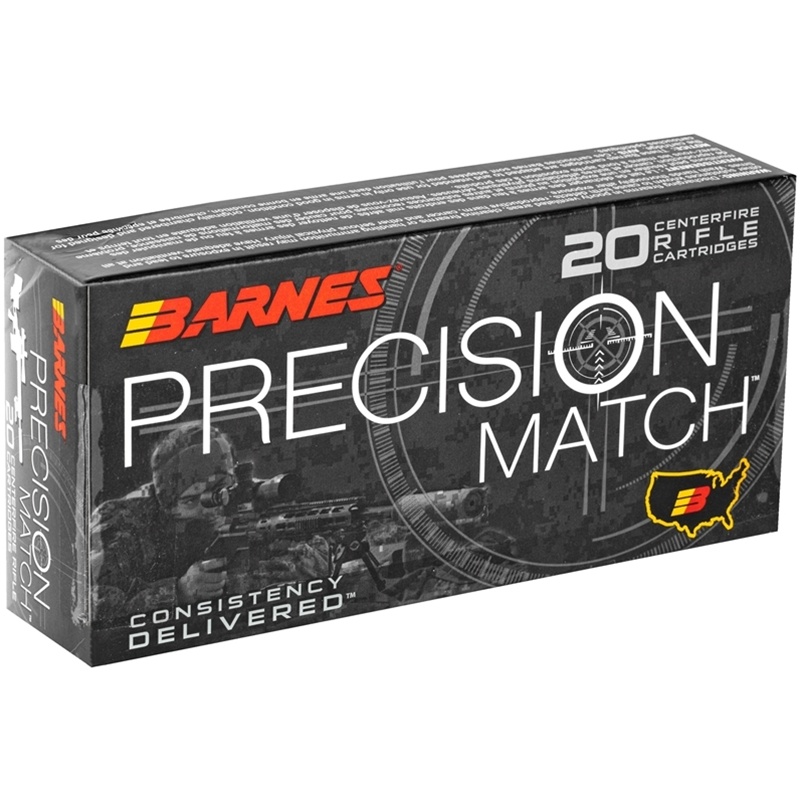
The two cartridges are related by design, which is both the reason .300 Blackout is popular and the reason it is dangerous in a mixed range bag. One was built for a specific job the other cannot do; the other is the general-purpose cartridge the first one was carved out of. The choice between them is a choice about suppression, barrel length, and what you want the rifle to be.
How the cartridges actually differ
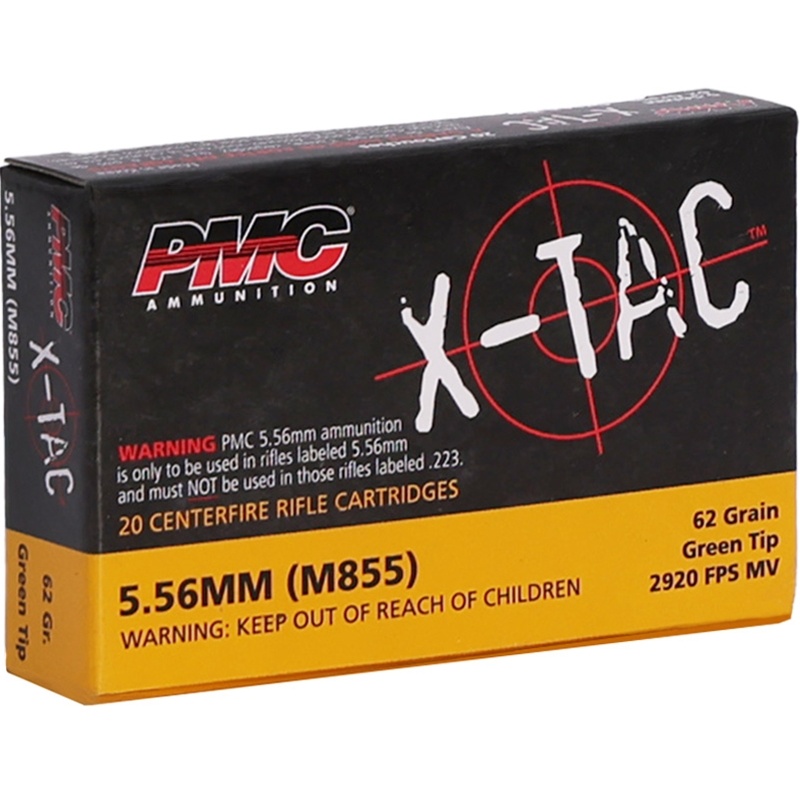
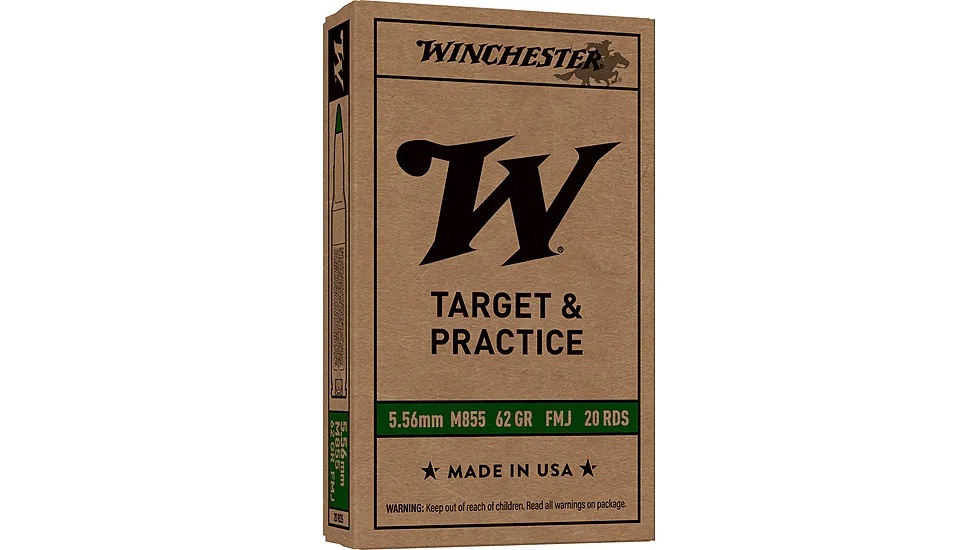
5.56x45 NATO is a high-velocity, small-bore cartridge: a 55 to 77 grain bullet at 3,000–3,300 fps from a carbine barrel, flat to several hundred yards, with mild recoil and the deepest ammunition market of any centerfire rifle caliber. It was designed around a full-length rifle barrel and does its best work when it has one.
.300 Blackout (300 BLK) takes a 5.56 case, cuts it down, and necks it up to accept .308 bullets in two families: supersonic loads roughly 110–130 grains at 2,100–2,300 fps, and subsonic loads of 200–220 grains at about 1,050 fps that stay under the speed of sound for suppressed shooting. The supersonic load is a short-range .30 rifle; the subsonic load is a heavy pistol-round projectile in a rifle package, useful for signature reduction and nothing else.
| Load | Bullet | Velocity | Character |
|---|---|---|---|
| 5.56 FMJ | 55–62 gr | 3,100–3,250 fps | Flat, efficient, small-bore |
| 300 BLK supersonic | 110–130 gr | 2,100–2,300 fps | Heavy .30, drops faster |
| 300 BLK subsonic | 200–220 gr | ~1,000–1,050 fps | Heavy, quiet suppressed, pistol-class energy |
The platform story: same bolt, different barrel
The commercial case for .300 Blackout is a barrel change. An AR-15 owner converts by swapping the barrel (and keeping the bolt, the bolt carrier group, the lower, the magazines, and in most cases the upper receiver), which makes it the cheapest path to a .30 caliber AR. Magazines designed for .300 Blackout have a slightly different internal geometry; standard 5.56 magazines usually work with supersonic loads but can nose-dive subsonic rounds.
Barrel length tells you which cartridge prefers which gun. A 5.56 barrel shorter than about 10.3" gives up the velocity the cartridge was designed around and produces fireball-heavy, hard-on- primers function. A .300 Blackout barrel in the 9–16" range is where the cartridge earns its reputation: short barrels barely dent supersonic velocity and make subsonic loads manageable. That is why .300 Blackout dominates the short, suppressed AR world and why 5.56 dominates everything else.
Terminal performance and hunting
Inside two hundred yards a 110 grain supersonic .300 Blackout soft point carries energy comparable to a .30-30 and beats 5.56 FMJ clearly on medium game. It is a legitimate deer cartridge inside its range, and the heavy-for-caliber bullets expand at lower velocities than a 5.56 bullet would. Subsonic loads, by contrast, are pistol-class: a 220 grain at 1,050 fps is roughly a .45 ACP in a rifle, useful for quiet work on small targets and wrong for hunting deer.
5.56 keeps the advantage at distance and on varmints. Its flatter trajectory, higher retained velocity, and better wind performance make it the choice past three hundred yards; purpose-built 5.56 hunting loads (soft points, heavy-for-caliber match) close the terminal gap on predators and small game. The general trade is: .300 Blackout wins close and heavy; 5.56 wins far and light.
Cost is not close. 5.56 NATO starts at $0.52 a round; .300 Blackout starts at $1.38 a round, with subsonic premium loads higher still. If you shoot volume, 5.56 is the caliber that lets you keep shooting.
Keeping them apart
The safety rule is not a suggestion; it is the reason this article opens with a warning. Practical controls, in order of importance:
- Label every magazine, permanently and on the body of the magazine, not the floorplate. A .300 Blackout magazine should say so in paint pen, tape, or an anodized body colour.
- Never store the two cartridges in the same range bag or the same ammo can. Separate containers, separate shelves.
- Physically verify the chamber if you own both calibers and the upper is not marked: hold a round up to the breech face before you close the bolt on a loaded magazine.
This is the same class of problem as other commonly confused cartridge pairs, and the handling rules are the same. See 5.56 against .223 for the chamber-stamp version of the argument.
The verdict, as a rule
- Suppressed, short-barrelled AR, home defence, hog control in thick brush: .300 Blackout, with a dedicated upper and a magazine discipline you actually maintain. Browse .300 Blackout.
- Everything else: general range use, hunting past two hundred yards, volume practice, cost per round: 5.56. Browse 5.56 NATO.
- Both: only if you accept that two cartridges that share a bolt and a magazine well demand labelling and separation as a permanent habit, not a one-time tidy-up.
If you are working out how much ammunition to keep for either cartridge, that is a separate question with a separate answer in how much ammunition you should keep. The long-range comparison, where both sides are safe to alternate, is .308 against 6.5 Creedmoor.
Shop this caliber
Live prices from the warehouses that have it on a shelf right now.