.308 Winchester ammo buying guide
The .308 shelf looks like one cartridge until you sort it by job. Three load families cover nearly everything: cheap 147 grain practice, 150 grain hunting, 168 grain match.
By TAS6 min read
.308 Winchester is the short-action cartridge everything else gets measured against: a hunting round, a match round and a cheap practice round in the same chamber. Nearly every buying decision comes down to which of those three jobs you are feeding, because the load menu splits cleanly along those lines and the prices do too.
The load menu
Grain is bullet weight (7,000 grains to the pound), and in .308 four weights do almost all the work. Velocities below are typical factory numbers from a 22–24" barrel; a 16" carbine barrel will give up 100–150 fps on most of them.
| Weight | Velocity | Bullet | Best at |
|---|---|---|---|
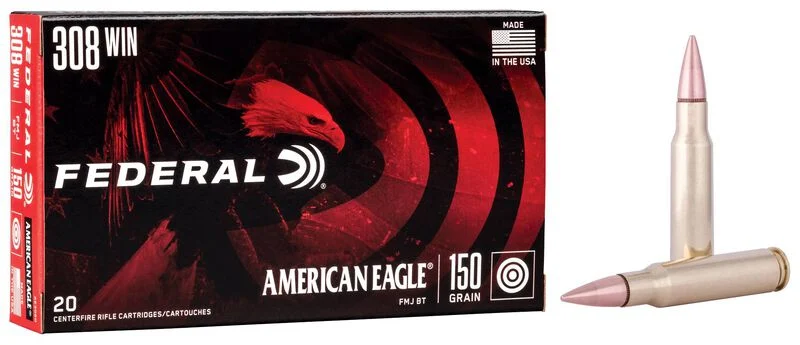
| 147 gr | 2,650–2,750 fps | FMJ, flat base | Practice and volume, by the case |
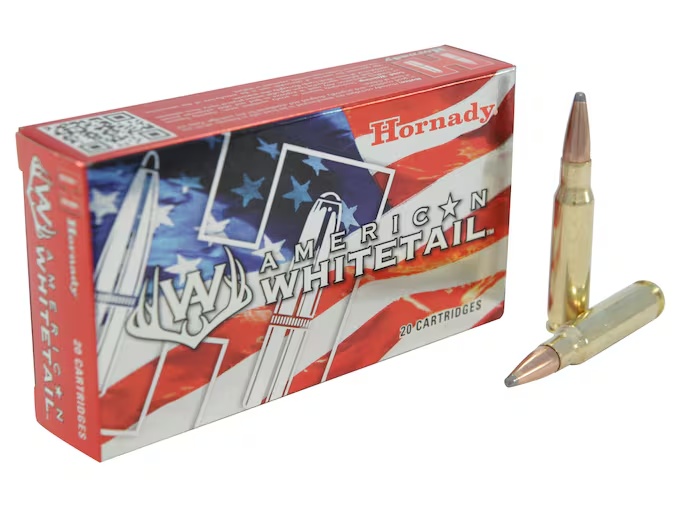
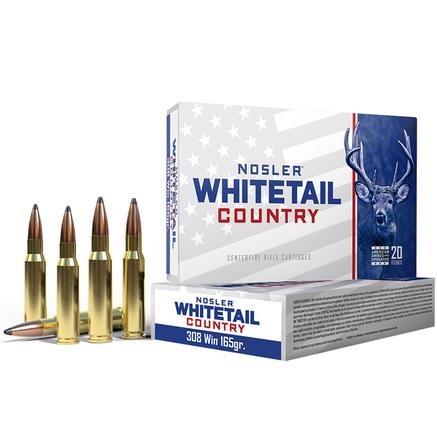
| 150 gr | 2,800–2,900 fps | Soft point, polymer tip | Deer and plains game inside 300 yards |
| 168 gr | 2,600–2,700 fps | Match hollow point | Precision fire, 100–600 yards |
| 180 gr | 2,550–2,650 fps | Controlled-expansion hunting | Heavier game, brush, wind |
One pressure note before anything else. SAAMI holds .308 Winchester at a maximum average pressure of 62,000 psi; 7.62×51 NATO is specified differently, at slightly lower pressure measured by a different method. Read the stamp on your barrel and buy accordingly: commercial .308 is the safer default in a rifle marked 7.62, while military-spec ball in a tight commercial chamber is where people get into arguments they did not need.
What to practise with
For practice the answer is boring on purpose: 147 grain FMJ, bought by the case. It is the load military and police programmes built their training on, every rifle in the caliber stabilises it, and it is consistently the cheapest .308 on the shelf. The cheapest in-stock price right now is $1.08 a round on the .308 Winchester page, which is close to the floor for a .30 caliber centerfire of this performance.
Cheap .308 also means you can shoot enough to matter. A rifle that gets 60 rounds a year will not group reliably no matter what you feed it, and the case-priced 147 grain is what makes 200-round range sessions ordinary rather than an event. If your range bans steel-core surplus and bi-metal jackets, check before you buy: FMJ with a copper-plated or gilded jacket is the safe pick, and it is most of what this category sells anyway.
Hunting versus match
150 grain hunting loads are the default for deer-sized game and everything inside 300 yards. The bullets are designed to open at moderate velocity, so they do not need a muzzle-speed miracle to work, and the flat trajectory costs you less than a yard of holdover at any distance you are likely to shoot a whitetail from.
Go to 180 grain when the game is heavier than deer, the range is longer, or the wind is honest. It gives up a little trajectory and keeps more momentum. The trade is a couple of ounces of recoil per box’s worth of practice, which matters only if you flinch.
168 grain match is a different product with a different job. Match hollow points are seated and weighted to tighter tolerances than hunting ammunition ever has to be, and the accuracy difference at 200 yards is usually visible without a chronograph. They also expand unpredictably on game: match ammunition is for paper, steel and competition, hunting bullets are for animals, and swapping them is the most common .308 mistake we see.
Where .308 still beats 6.5 Creedmoor
The Creedmoor took a lot of .308’s long-range work, and it earned it: a 6.5mm bullet carries ballistic coefficient better, so it drifts less in wind and drops less past 400 yards. Nobody who shoots both seriously disputes that. What .308 keeps is worth saying out loud:
- Price and availability. Factory 147 grain practice is almost always cheaper per round, and it is on every shelf in America, including surplus bins the Creedmoor never reaches.
- Barrel life. Both last thousands of rounds; the .308’s lower operating pressure and gentler throat erosion give it a comfortable edge if you shoot match-grade volumes.
- Bullet weight. The .308 offers real 180 and 200 grain options for large game; the Creedmoor tops out around 147 grains. For elk-sized game at moderate range, heavier is still a legitimate argument.
- Recoil. And here the Creedmoor wins: about 20–25% less for a comparable load. If you cannot practise with it, none of the other numbers matter.
The decision rule is simple. Shoot inside 400 yards, hunt deer-sized game, or want the cheapest practice — stay with .308. Shoot 600+ yards regularly, or want the flattest trajectory you can get in a short action — the Creedmoor is the better tool. If you also keep a small-bore rifle in the safe, the .223 guide runs the same kind of comparison at the bottom of the ladder, and the case economics are in price per round.
A sensible first order
- 500 rounds of 147 grain FMJ for practice. At the current floor that is a couple of hundred dollars and a year of ordinary shooting for most people.
- Two boxes of your chosen 150 or 180 grain hunting load, so you can zero with the ammunition you will actually hunt with and still have a box left for next season.
- One 20-round box of 168 grain match to find out what your rifle does when the ammunition stops being the limitation.
Sort the full shelf, including current per-round pricing, on the .308 caliber page. If you are also trying to decide between this and the AK round for a general-purpose rifle, the 7.62×39 guide covers where that comparison is closer than people expect.
Shop this caliber
Live prices from the warehouses that have it on a shelf right now.