6mm ARC vs 5.56: what the extra 2mm of case neck buys
The 6mm ARC is a barrel, bolt and magazine change from your existing AR-15. What it buys at distance is measurable; so is the price of feeding it.
By TAS6 min read
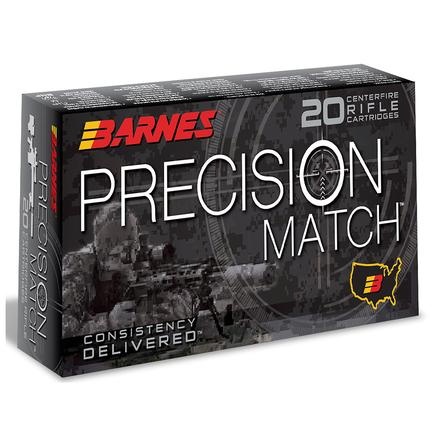
The 6mm ARC does not require a new rifle. It takes the same AR-15 lower, the same trigger, the same optic and the same magazines you already own, and asks for a barrel, a bolt and a small parts swap. What it buys over 5.56 is heavier bullets with better shapes, which is only worth having if you shoot beyond about 400 yards. The conversion is cheap; feeding it is the part people under-cost.
The case and the cartridge
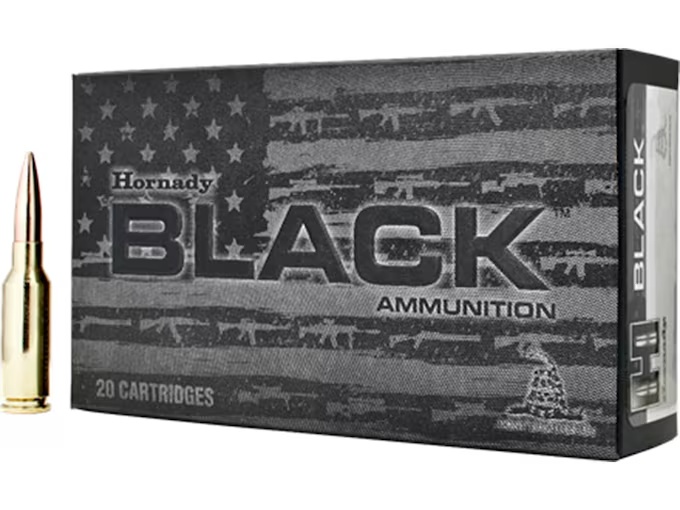
The 6mm ARC is derived from the 6.5 Grendel case: a small rifle primer case with a wider body than 5.56, necked up to take 6mm (.243") bullets in the 105 to 108 grain range. That weight class is the whole idea. A 5.56 barrel tops out at 77 grains in any practical load; a 105 grain bullet has a longer, sleeker profile, and a longer bullet with a high ballistic coefficient holds velocity and resists wind better at range.
| Load | Bullet | MV | Velocity at 600 yd | Wind drift at 600 yd |
|---|---|---|---|---|
| 5.56, 55 gr FMJ | 55 gr | 3,150 fps | ~1,350 fps | ~55" |
| 5.56, 77 gr match | 77 gr | 2,750 fps | ~1,550 fps | ~32" |
| 6mm ARC, 105 gr match | 105 gr | 2,750 fps | ~1,750 fps | ~24" |
The pattern is what you would predict from physics: the 6mm ARC drifts about a quarter less than a good 77 grain 5.56 load in the same wind, and far less than ball ammunition. Below 300 yards the difference is inside the size of most shooters’ groups and entirely wasted. The cartridge is a solution to a distance problem, and if you do not have a distance problem it is an expense.
The conversion, in dollars and parts
The mechanical swap is modest and well documented:
- Barrel: 6mm ARC barrels in 1:8 twist, which is what stabilises the 105 to 108 grain bullets. This is the largest single cost.
- Bolt: the ARC case head is larger than 5.56, so a dedicated bolt goes in your existing bolt carrier group. It is a swap, not a new carrier.
- Magazines: 6mm ARC uses modified followers and feed geometry; many shooters use ARC-marked magazines rather than trusting 5.56 ones. Cheap, but buy them.
- Gas system: a barrel from a reputable maker comes with the right port; a hand-fitted barrel may need gauging. No buffer or spring changes in a standard carbine setup.
Total parts cost typically lands between a new upper receiver and a complete budget rifle. What makes or breaks the swap is ammunition:6mm ARC currently sits at $1.27 a round against 5.56 at $0.52, and at the match-ammunition end the ratio is worse than that. For what the ratio means for a training budget, the arithmetic is in price per round.
What each cartridge is actually for
5.56 is a volume cartridge. It is cheap enough to shoot a case a month, it runs in every AR-15 variant without thought, and inside 300 yards on paper and steel it does everything the ARC does while costing a fraction. It is also the correct choice for anyone whose shooting is practical carbine work, defensive training, high-volume competition stages, or plinking. The conversion math never pays back for that shooter.
6mm ARC is a specialist’s cartridge wearing a general-purpose rifle. It makes sense for the shooter already invested in an AR platform who wants to run PRS-style drills at 600 yards, hunt small to medium game at honest distances with a semi-auto, or shoot precision work without a bolt gun. It makes no sense as a first AR chambering, and none at all if your range ends at 250 yards.
There is also the hunting question in miniature. The 6mm ARC with a 100 to 105 grain hunting bullet carries meaningfully more energy at 300 yards than a 5.56 with a 62 grain soft point, which matters if you are taking coyotes or deer-sized game from a semi. It is not a big-game cartridge and nobody should pretend otherwise.
The verdict
One decision rule: if you cannot honestly describe a 400 to 700 yard problem you intend to solve, keep the 5.56 and buy ammunition instead of a barrel. If you can — a steel range at that distance, a coyote pasture, a precision rifle series — then the conversion is one of the better values in the platform, because you keep the rifle you already fit and only change the part that does the work.
- First order, 5.56 owner staying put: another case of practice ammunition and a zero-confirmation session. Nothing on the rifle changes.
- First order, ARC convert: barrel and bolt from one maker, ARC magazines, and a hundred rounds of match ammunition to find what it will actually shoot before you buy more of anything.
For the same two-cartridge decision made on a completely different axis — heavy and slow against light and fast rather than cartridge geometry — the sibling comparison of .270 against .30-06 reaches a verdict on recoil and load ladder instead, and the modern defensive take on velocity and capacity is 5.7x28 against 9mm.
Shop this caliber
Live prices from the warehouses that have it on a shelf right now.