12 gauge vs 20 gauge: recoil, patterns, and reality
The gauge debate is usually argued as power against gentleness. It is really about how many pellets you can put in a 30-inch circle, and how much you will practise.
By TAS6 min read
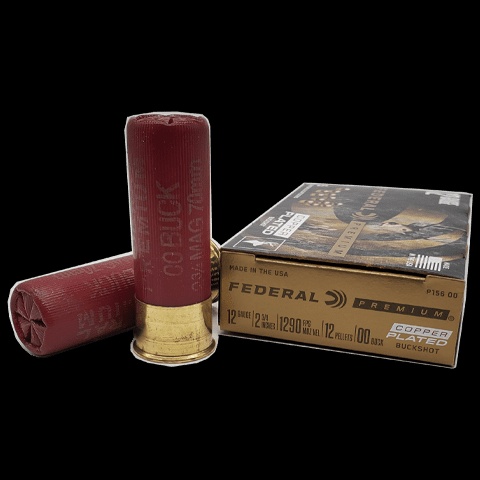
A 20 gauge is lighter in the hands and easier on the shoulder; a 12 gauge carries more shot and, in the field loads people actually buy, about two-thirds more recoil. Neither of those sentences settles anything, because the useful question is narrower: for the birds you shoot, at the distance you shoot them, which shell puts more pellets in the pattern, and which gun will you practise with often enough to hit with?
The payload gap is real, and it is not huge
Gauge is an old measuring system: a lead ball that fits the bore of a 12-gauge gun weighs 1/12 of a pound, a 20-gauge ball 1/20. The number tells you the bore diameter, and everything else follows from how much shot you can stack in a 2¾-inch hull behind it.
| Shell | Shot payload | #6 pellets (approx.) | Velocity | Recoil |
|---|---|---|---|---|
| 12 ga field | 1¼ oz | ~235 | 1,150–1,250 fps | ~20 ft-lb |
| 12 ga target | ⅞ oz | ~165 | 1,150–1,200 fps | ~14 ft-lb |
| 20 ga field | ¾ oz | ~140 | 1,200–1,300 fps | ~12 ft-lb |
Read across the first and third rows: about ninety-five more pellets in the 12-gauge pattern, and about two-thirds more recoil. Both numbers come from the same place, because recoil is driven by the payload and velocity that fill the pattern: the advantage and the cost scale together. A payload gap that people quote as a law of physics works out to about seventy percent more shot, not a category difference. Pellet counts above assume one ounce of #6 shot holds about 187 pellets, the standard figure.
Pattern density, not velocity, is where that advantage shows. Two identical 30-inch circles at 30 yards: the 12-gauge shell, with two-thirds more pellets, fills it two-thirds more densely, and at 40 yards, where patterns open and thin, those missing pellets become visible holes a squirrel can stand in. At 20 yards the difference is academic. The payload gap matters in proportion to distance.
The youth-gun myth, retired
You have been told to put a young or small-framed shooter in a 20 because the 12 gauge will “kick them over.” Compare the middle row of the table with the third: a standard 12-gauge target load and a 20-gauge field load recoil within a few foot-pounds of each other. Recoil is payload and velocity, not the gauge stamped on the barrel. Nobody flinches at a 12-gauge clay load and then falls over from a 20-gauge pheasant load; the second one hits harder.
The correct order is: fit the gun, choose the lightest load that still breaks the target or humanely takes the game, then pick the gauge that gives you the payload you need in that load. For clays and upland inside 35 yards, a 20 is a fine answer. It is not a gentler answer by definition, and buying one because of the number on the barrel skips the fitting that would have mattered.
Where the 20 gauge earns its place
A 20-gauge field gun runs half a pound to a pound lighter than a comparable 12, and on a walk-behind hunt over coveys that difference compounds over four hours. The shells are smaller, so a vest carries more of them at less weight. And a 20-gauge 1-ounce load at 1,250 fps is entirely adequate for pheasant inside 35 yards, squirrels, rabbits, and doves at anything but the far edge of a competent shooter’s range.
Where it stops earning: waterfowl, where steel shot is lighter than lead by volume and every pellet counts; turkey hunting at 40 yards and out, where the pattern has to be dense enough to place thirty pellets in a ten-inch circle; and any 3-inch magnum use, where the recoil advantage you bought the gun for disappears. A 20-gauge 3-inch magnum at 1¼ ounces recoils as hard as a light 12-gauge load and still carries fewer pellets than a 12-gauge 2¾-inch field shell.
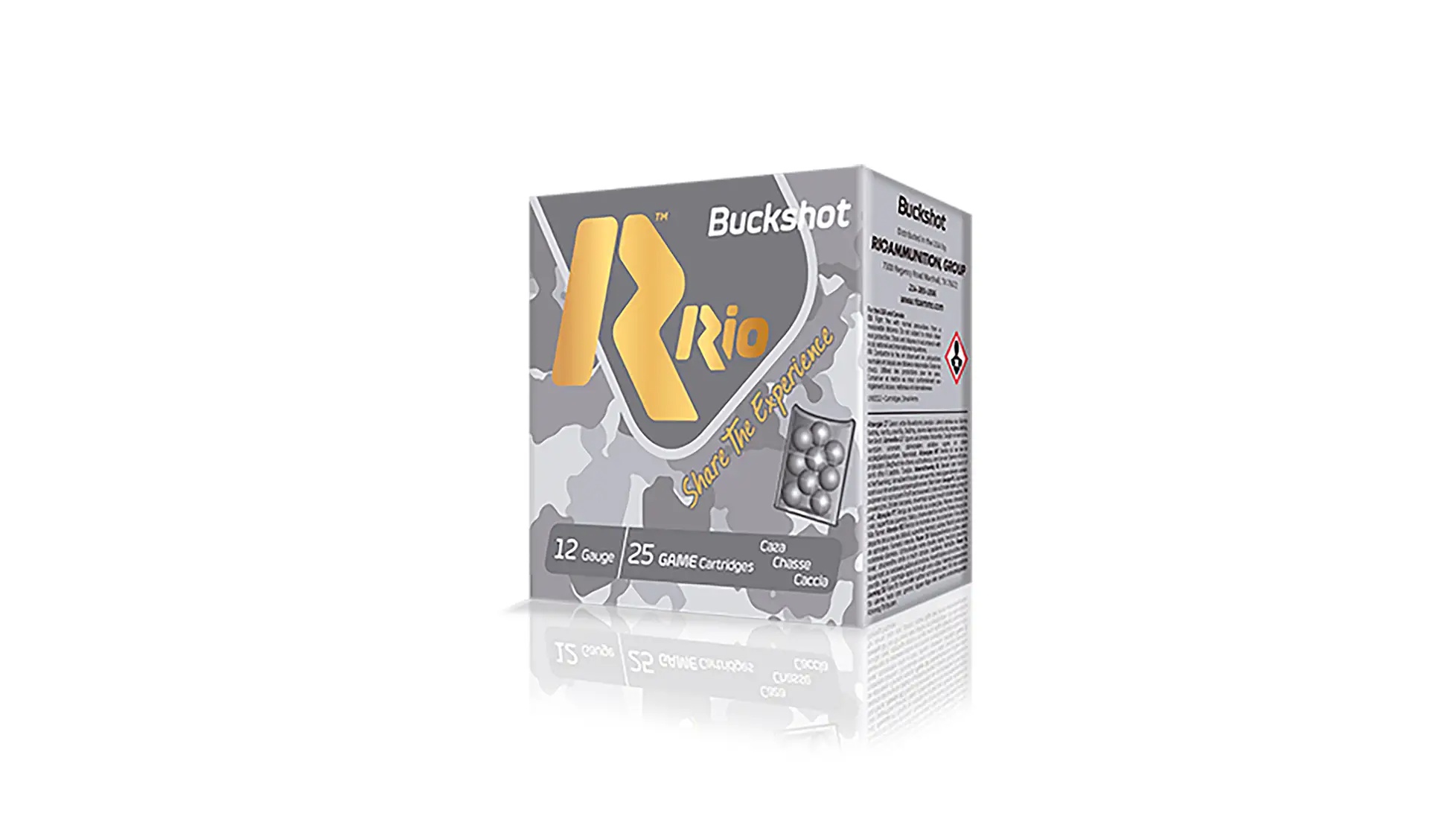
Steel, buck, and what the shelf holds
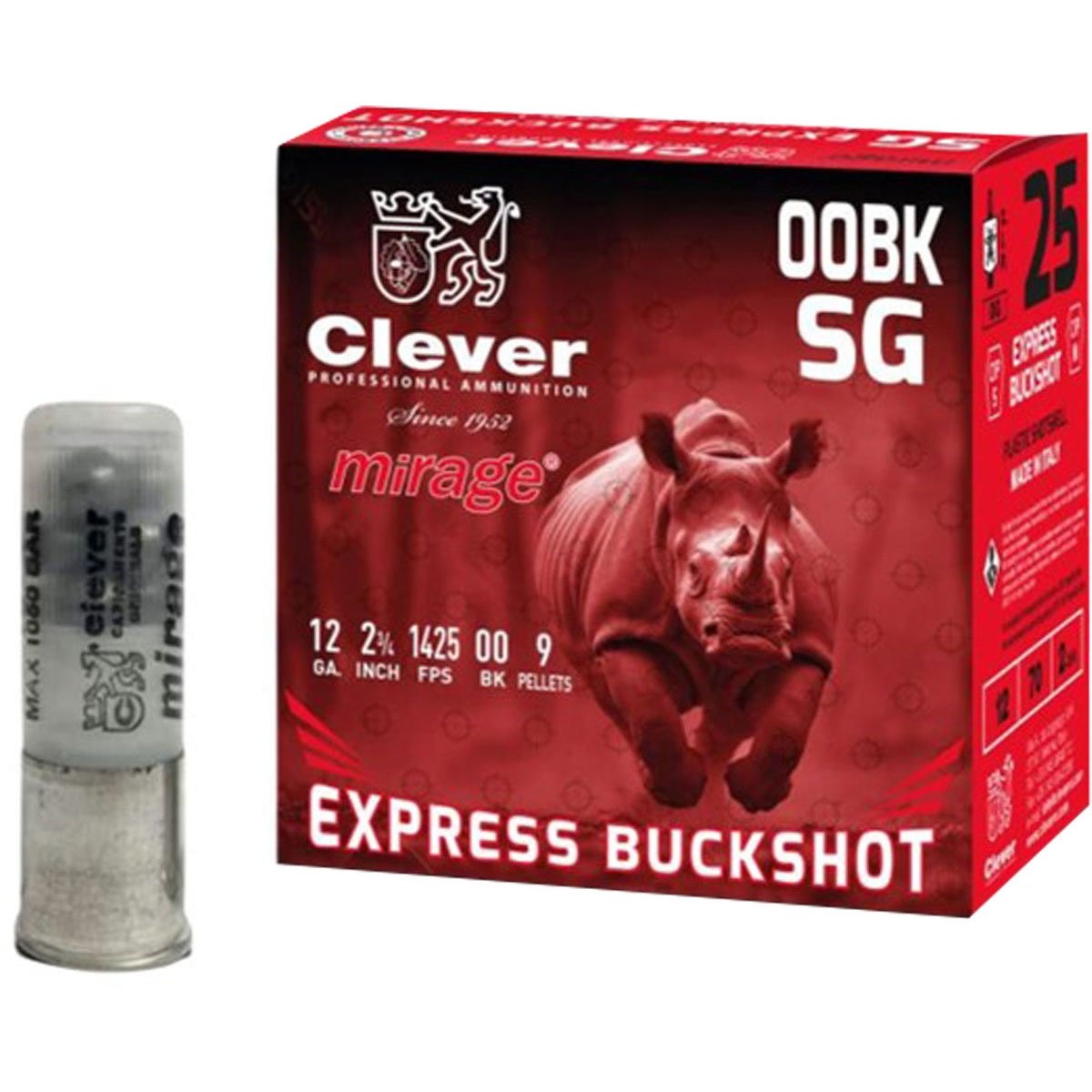
Steel shot patterns smaller than lead of the same shot size, because steel is lighter and will not deform to fill the bore. Both gauges pay that penalty; the 12-gauge shell starts with more pellets, so it ends with more. If you shoot waterfowl, the 12 gauge takes the argument on payload alone. For buckshot the gap narrows: a 12-gauge 2¾-inch 00 shell carries nine pellets, a 20-gauge 2¾-inch 00 shell often carries nine as well, and the 3-inch versions go to twelve and ten respectively. For home defence, pattern the shell you intend to use through your own shotgun at your own hallway distances; the gauge matters less than whether the shot string stays on the target and off the wall behind it.
Cost tracks payload as you would expect. Live pricing for both is on their caliber pages: 12 gauge sits at $0.56 a round and 20 gauge at $1.08. The 12 usually buys more shot per dollar as well as per shell, which matters when the alternative is practising less. On how to compare those numbers properly rather than by box price, see price per round.
The verdict
Buy the 12 gauge if the gun will pull double duty: waterfowl and turkeys, 3-inch shells when the birds are high and far, and a home-defence gun on the same shoulder. It is the one gauge that answers every question you will ask it, and the load menu lets you dial recoil down to target levels whenever practising matters more than payload.
Buy the 20 gauge if your hunting is upland birds, rabbits and squirrels inside 40 yards, you walk farther than you shoot, and the lightness of the gun will get it out of the safe more often. That last clause is the real one. A shooter who takes the lighter gun out twice a month beats the shooter who owns the more capable gun and practises quarterly, and recoil you will not train through is worse than a payload you do not need. The shooting itself is covered in what grain weight does and does not tell you, and the same logic applies here: measure the load in your gun, in your patterns, at your distances, and pick accordingly.
One practical order of operations: buy a box of each gauge’s field load and target load, pattern both on paper at 25 and 40 yards, and count the pellets inside the circle yourself. The argument ends in twenty minutes with a marker and a roll of butcher paper, and the gun you choose is the one whose patterns you trust.
Shop this caliber
Live prices from the warehouses that have it on a shelf right now.