Best shotgun for home defence: gauge, length, and the load that matters more
The best home-defence shotgun is an ordinary pump with an 18-inch barrel. What you load it with, and whether you have patterned it, matters more than the gun.
By TAS6 min read
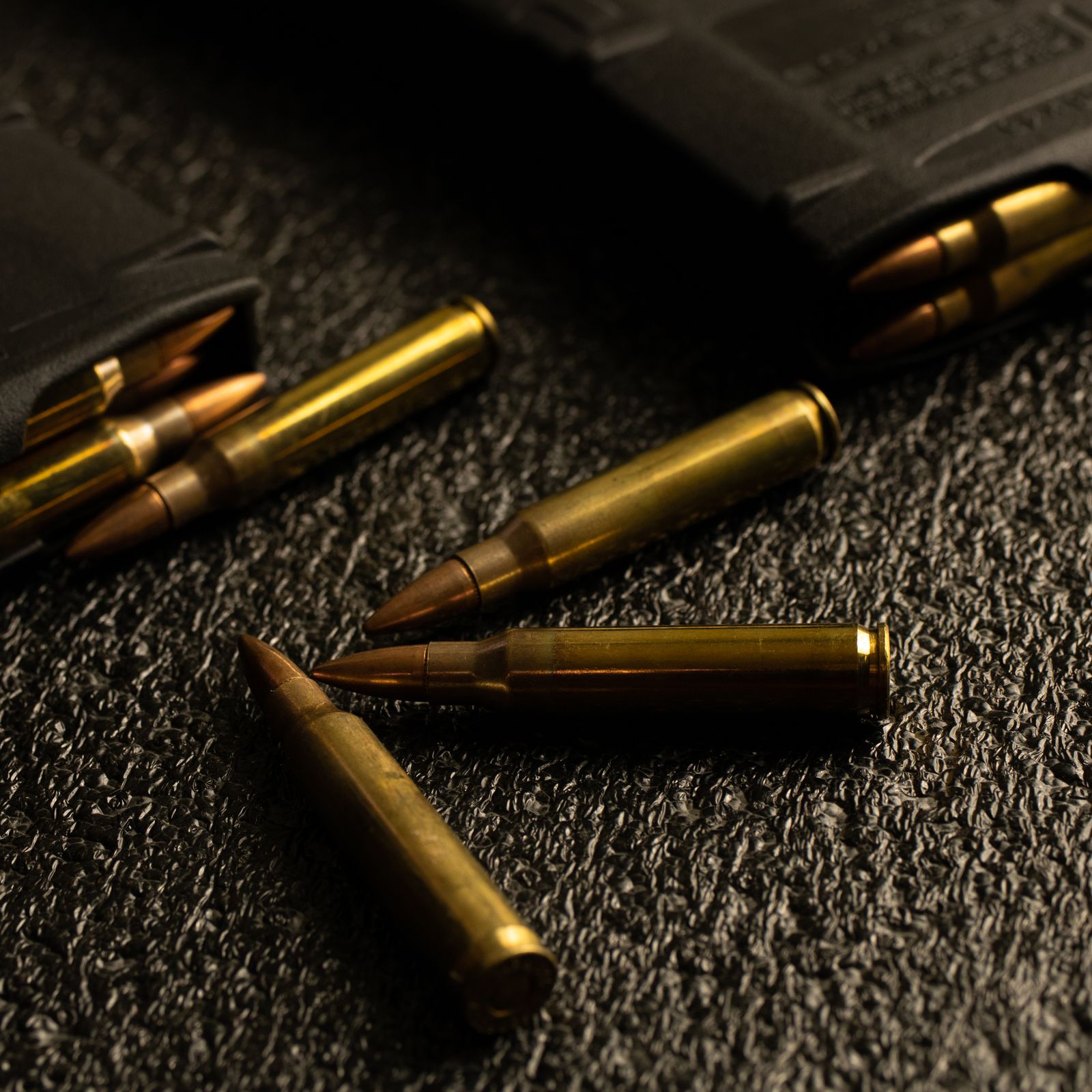
The shotgun question is decided mostly by the ammunition in it, not by the gun. The best home-defence shotgun in this category is an ordinary 12-gauge pump with an 18-inch cylinder-bore barrel, loaded with 00 buckshot you have patterned down your own hallway. Action, brand and accessories all come after that, and most of the arguments people have about shotguns happen one layer below the thing that actually matters.
Gauge: 12 against 20
Both gauges work; they are the same idea at two scales. 12 gauge is the default because it has the deepest shell shelf: the widest choice of defensive buckshot, the cheapest target loads for practise, and the most gun options built around it. 20 gauge runs the same playbook with roughly two-thirds the shot charge and about a third less recoil.
The recoil difference is the whole decision. A 20-gauge loaded with buckshot is a gun more people shoot accurately under stress, and accuracy under stress is the only performance number that counts here. Pick 20 gauge if recoil is what makes you flinch; pick 12 gauge if it does not, and take the extra shot weight. Cheapest loaded shells today are $0.56 and $1.08 a round respectively, which is close enough that practising with either is affordable.
Barrel length, and what the choke does
Eighteen inches is the practical answer, for two reasons. It is the shortest legal barrel on a shoulder-fired shotgun in the United States (18 inches of barrel, 26 inches overall, before the short-barrel rules apply), and it is what pattern tightness wants at indoor distances. A 26- or 28-inch field barrel swings better on clay and game, and makes the gun measurably clumsier in a doorway.
Choke matters less than people think, and more than they allow. At five yards, a cylinder-bore barrel throws 00 buckshot in a spread of roughly a foot to eighteen inches — enough that a slightly rushed shot still finds the target, which is the argument for an unchoked gun in a hallway. Screw-in chokes tighten that pattern, and an improved-cylinder tube is a reasonable compromise if the same gun also hunts. What you cannot do is reason about this from a choke constraint on a box. Pattern it.
The load decides the outcome
Three loads cover essentially every home-defence job a shotgun does.
| Load | Payload | Character | Best at |
|---|---|---|---|
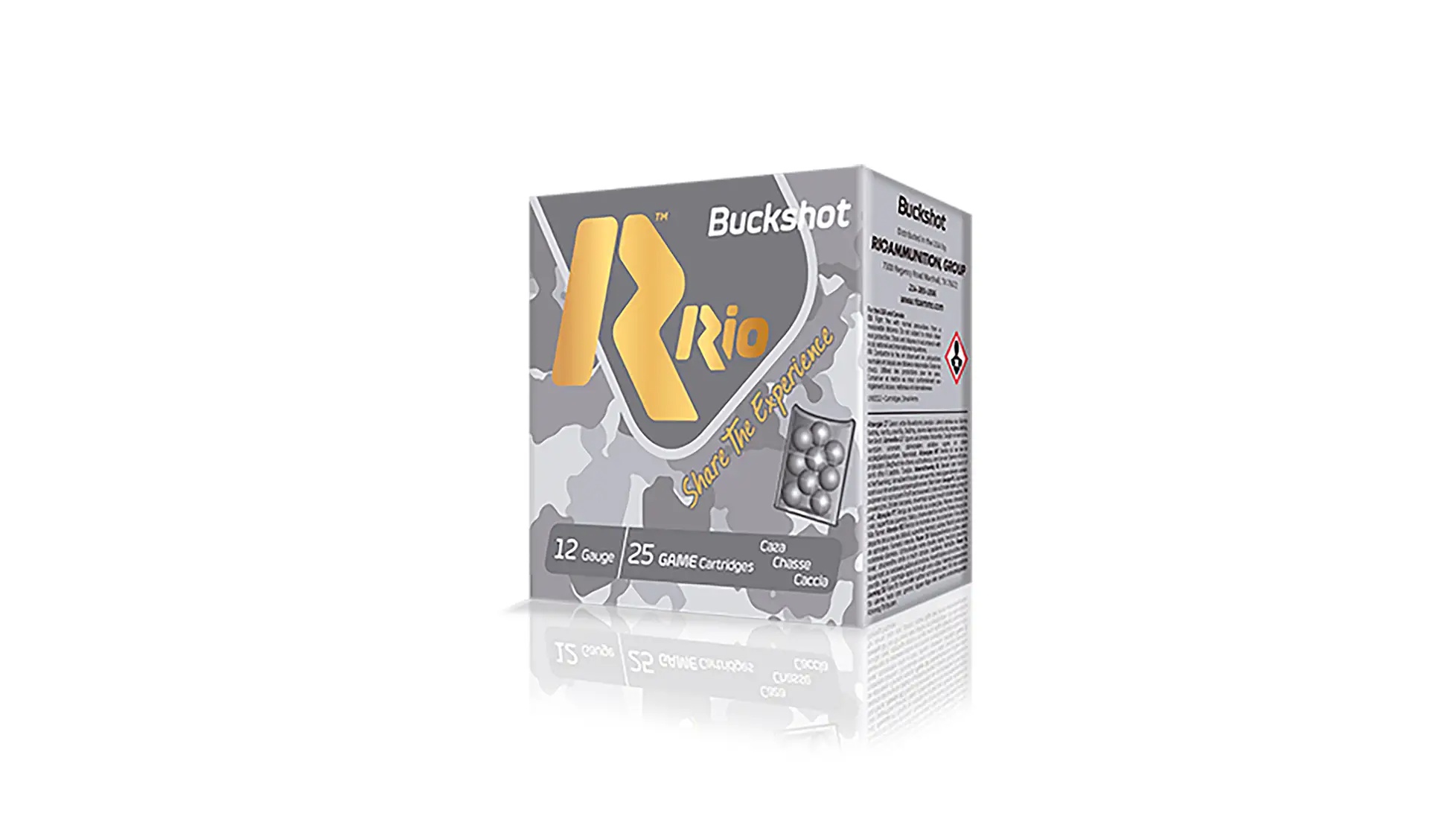
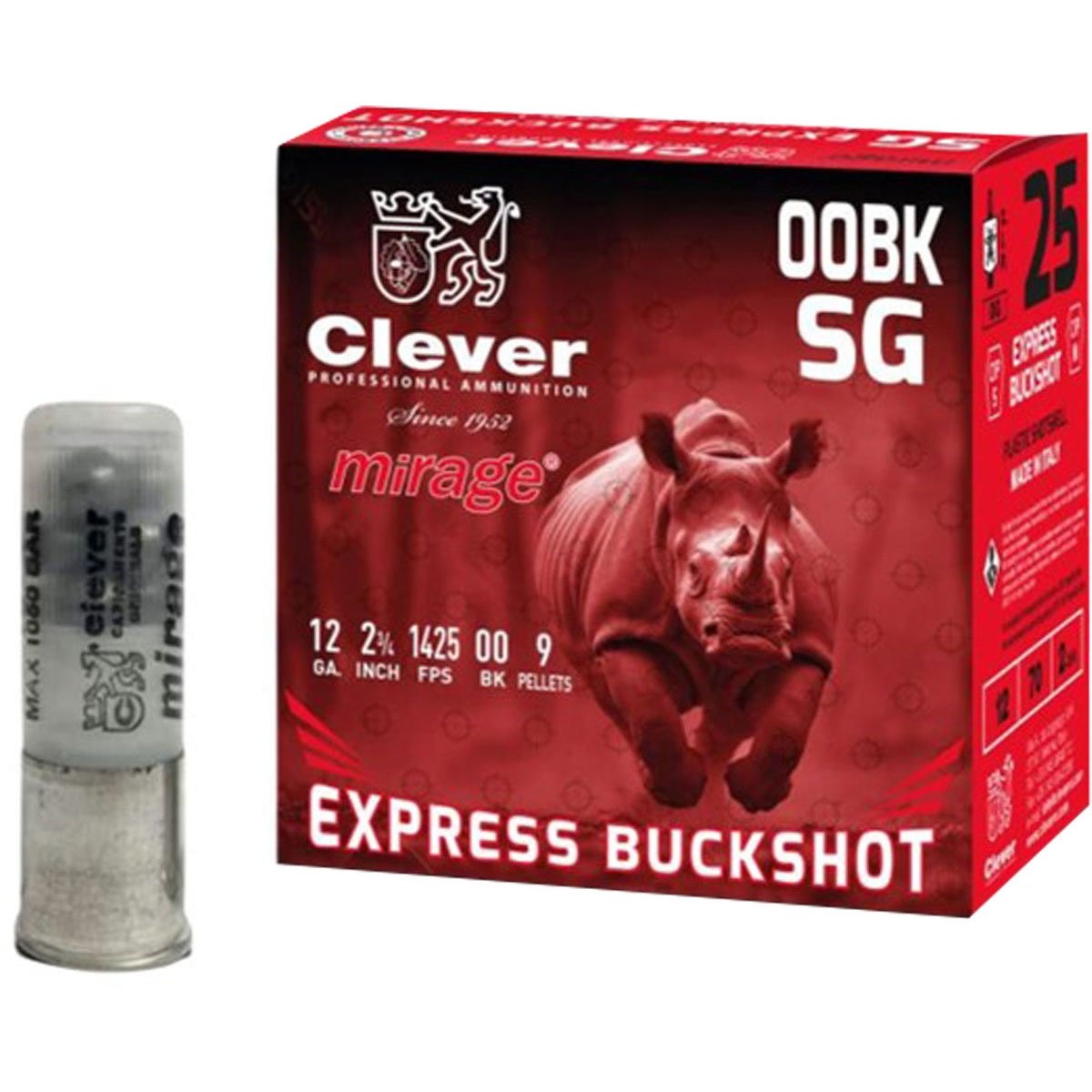
| 00 buckshot | 9 pellets, .33 cal, ~1,200 fps | Nine .33-calibre projectiles; deep, reliable penetration per pellet | The default for most homes |
| #4 buckshot | 27 pellets, .24 cal, ~1,150 fps | More pellets, smaller each; adequate penetration with a shorter travel distance | Apartments and shared walls |
| Rifled slug | 1 oz, ~1,560 fps | One heavy projectile, no spread worth counting | Barriers, and nothing else indoors |
00 buckshot is the default because it is the load with the most evidence behind it and the most consistent behaviour across distances you will actually shoot at. Nine pellets at 1,200 fps is equivalent to nine simultaneous .33-calibre hits on a close target.
#4 buckshot is the apartment answer. Twenty-seven smaller pellets carry less energy per pellet and, in testing, tend to stop sooner after passing through the interior walls they will inevitably reach. If you share a wall with anyone, shoot both and prefer the one that keeps its energy inside your home.
Slugs are for outside. Indoors they are a single heavy bullet with all the overpenetration of a rifle and none of the spread that makes a shotgun forgiving. Keep them for the property line or the follow-up nobody plans for.
Pattern it at hallway distance
This is the step almost everyone skips, and it is the one that turns a generic shotgun into the best shotgun for your house. Buckshot does not fire a laser; it fires a cluster that grows with distance. At three yards the pattern is tight. At twelve it may be two feet across. If your longest interior shot is seven yards, you should know what the pattern looks like at seven yards, with the exact box you keep loaded.
Set a target at your actual hallway distance, fire one round, and measure the spread with a tape. Do it with three or four candidate loads. You are looking for a pattern that keeps every pellet on the target at your distance, and it will often pick a different brand than the one you assumed was best. Repeat with the gun you will actually reach for, not the one you enjoy shooting.
A short shopping order
- A pump or semi-auto in your chosen gauge, 18-inch barrel, cylinder or improved cylinder, with a white-dot or tritium front bead. Pumps are cheaper and indifferent to ammunition; semi-autos are softer-shooting if the budget allows.
- Two boxes of your defensive load, plus a case of cheap target loads — recoil management and shotgun handling are built with practise, not with buckshot. Buying by the case is covered in when a case makes sense.
- A pattern sheet at your hallway distance, with the load you just bought. Twenty minutes, one target, done.
- A flashlight the gun can hold or you can hold in your support hand. A shotgun you cannot see with is a shotgun you cannot aim.
Compare the full shelf on the 12-gauge page and the 20-gauge page, and for how caliber choice plays out when the walls are shared rather than single, see the best caliber for home defence — the overpenetration argument is the same argument, with more arithmetic.
Shop this caliber
Live prices from the warehouses that have it on a shelf right now.