Shotgun Ammo
12 Gauge Ammo
In stock from $0.43 / round · 35 of 48 products available now
Clays, birds, buck and slug from one gun. The gauge names a bore diameter and nothing else, so shell length, payload and shot size are the real decision.
In stock today
- Cost per round
- $0.43 to $10.15
- 10 Brands
- Barnes, Brenneke, Clever, Federal, Fiocchi, Hornady, Paraklese Technologies, Remington, Rio Ammunition, Winchester
- Bullet weights
- 9, 300, 385, 432, 437, 438, 450, 492, 656, 710, 765 grain
- Pack sizes
- 3, 5, 10, 25, 50, 100, 250, 500 rounds
Learn more about 12 Gauge
At a glance
- Also known as
- 12 ga, 12 bore
- Common shell lengths
- 2.75in, 3in and 3.5in
- Common loads
- 1oz #8 target, #6 upland, 00 buckshot, rifled slug
- Typical use
- Clays, upland and waterfowl, home defense, deer
- Before you buy
- Check shell length against your chamber, and read shot size and velocity rather than the brand
- Age to purchase
- 18+ (long-gun ammunition, attested at checkout)
12 gauge is the most versatile bore in shooting. The same shotgun will break clays with an ounce of #8, take pheasants with #6, handle a home with 00 buckshot and take a deer at a hundred yards with a slug, and the only thing that changes is the shell. That flexibility is also the complication: "12 gauge" describes a bore diameter and nothing else, and shell length, payload, shot size and velocity all vary enormously between boxes that look identical on a shelf. Read the end flap, not the brand.
Out of stock
Clever12 Gauge - Clever 2 3/4 1oz Rifled Slug 1350 FPS (CLVRRSLUG) - 25 Round Box
438gr Slug · 25rd
$18.90$0.76/rdCurrently unavailable
- Federal
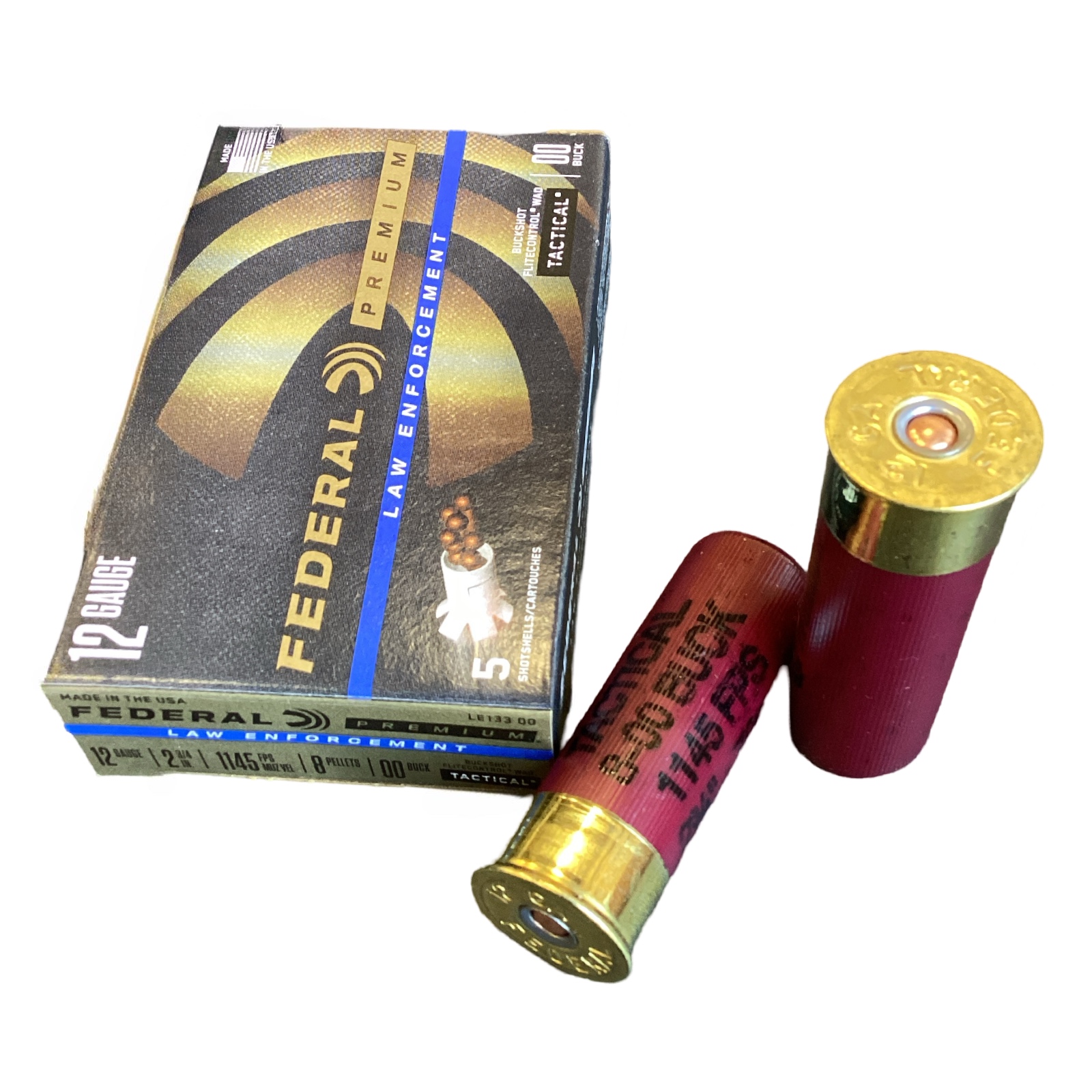
12 Gauge - Federal LE Tactical 2 3/4 00 Buckshot 8 Pellet - LE133 with FliteControl Wad 5 Round Box
432gr Buckshot · 5rd
Also in 10rd, 50rd
$7.02$1.40/rdIn stock
Out of stock
Fiocchi12 Gauge - Fiocchi 2 3/4 Home Defense Buck 9 Pellets -12EX9P - 25 Round Box (100 Round Box)
100rd
$51.83$0.52/rdCurrently unavailable
Out of stock
Fiocchi12 Gauge - Fiocchi 3 Gun Match 2 3/4 1oz #7.5 Shot (12DL3G75) - 25 Round Box
25rd
$10.26$0.41/rdCurrently unavailable
Out of stock
Remington12 Gauge - Remington Disintegrator 2 3/4'' 00 Buckshot 8 Pellets - 20642 - 25 round box
25rd
$26.46$1.06/rdCurrently unavailable
- Remington
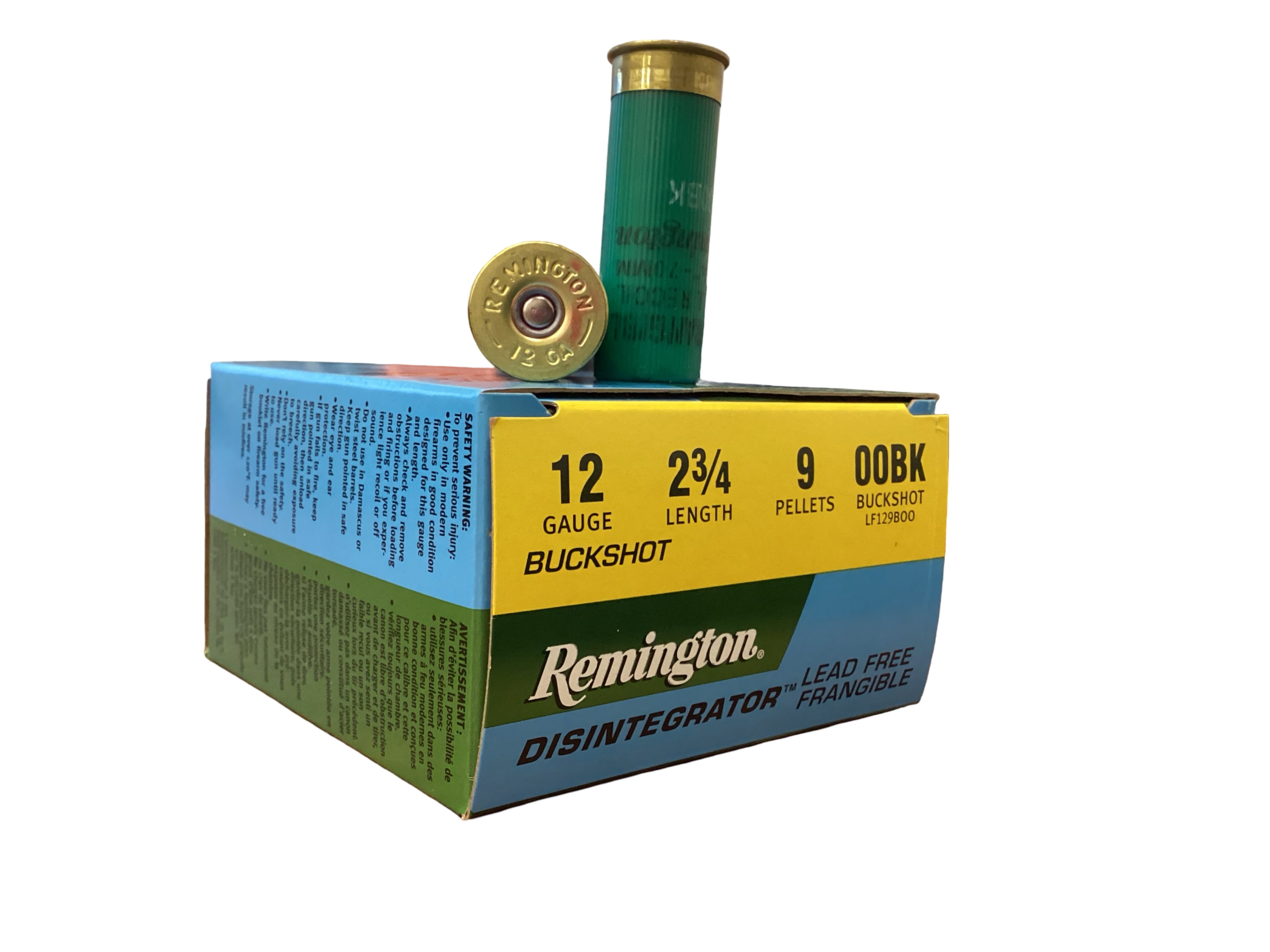
12 Gauge - Remington Disintegrator 2 3/4'' 00 Buckshot 9 Pellets - 20805 - 25 round box
Buckshot · 25rd
$26.46$1.06/rdIn stock
- Federal
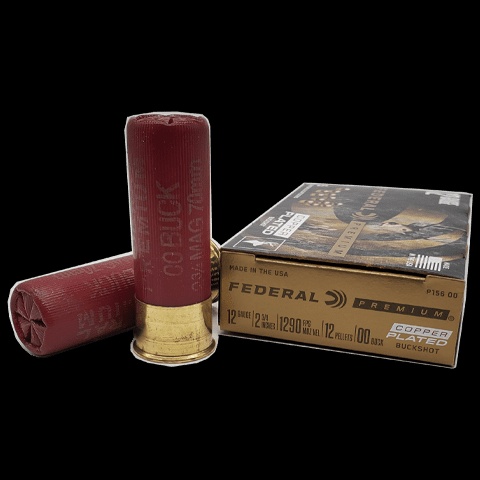
12Gauge- Federal P15600 Premium Magnum 2.75" 12Pellets 1 1/2oz 00 BuckShot - 5 Per Box
Buckshot · 5rd
Also in 50rd, 250rd, 500rd
$10.26$2.05/rdIn stock
Out of stock
BrennekeBrenneke Bear Protection 12GA AMMO 2.75in 1.375oz 600gr Magnum Slug 5rd Box
600gr Slug · 5rd
$16.19$3.24/rdCurrently unavailable
Out of stock
BrennekeBrenneke Black Magic 12GA AMMO 3in 1 3/8oz Magnum Slug 600gr 5rd Box
600gr Slug · 5rd
$21.59$4.32/rdCurrently unavailable
Out of stock
BrennekeBrenneke Mini Slug 12GA AMMO 2in 1oz 393gr 10rd Box
393gr Slug · 10rd
$14.03$1.40/rdCurrently unavailable
Out of stock
BrennekeBrenneke Orange Lightning 12GA AMMO 2 3/4in 2/3oz Lead Free Sabot Slugs 5rd
292gr Slug · 5rd
$21.59$4.32/rdCurrently unavailable
- Brenneke
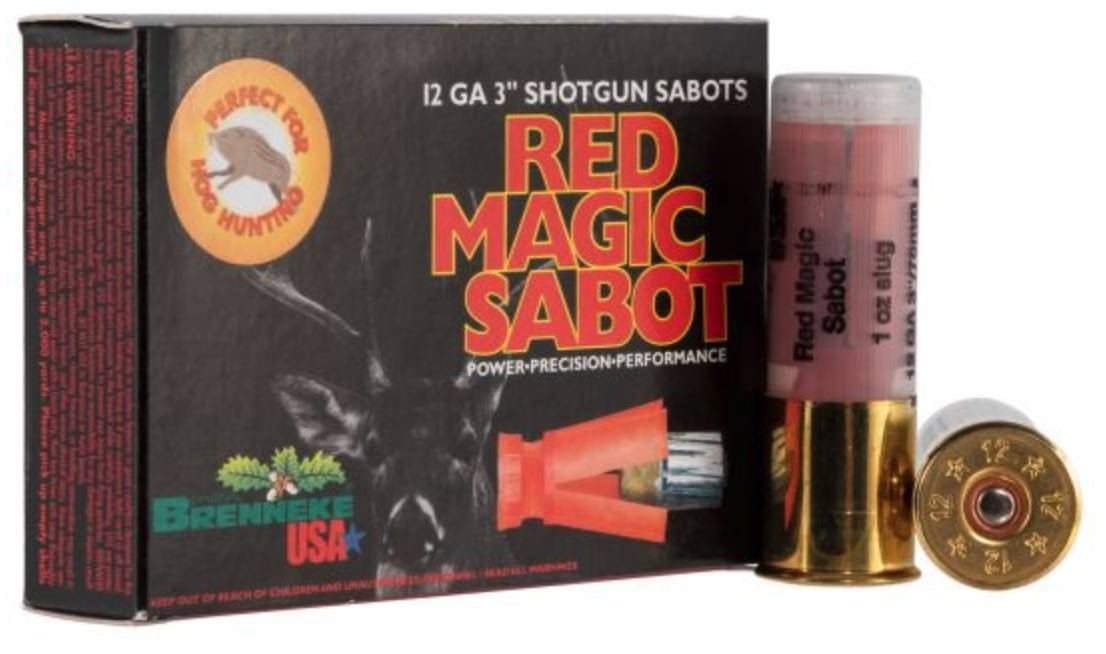
Brenneke Red Magic Sabot 12GA AMMO 3in 432gr Slug 5rd Box
432gr Slug · 5rd
$23.75$4.75/rdIn stock
- Clever
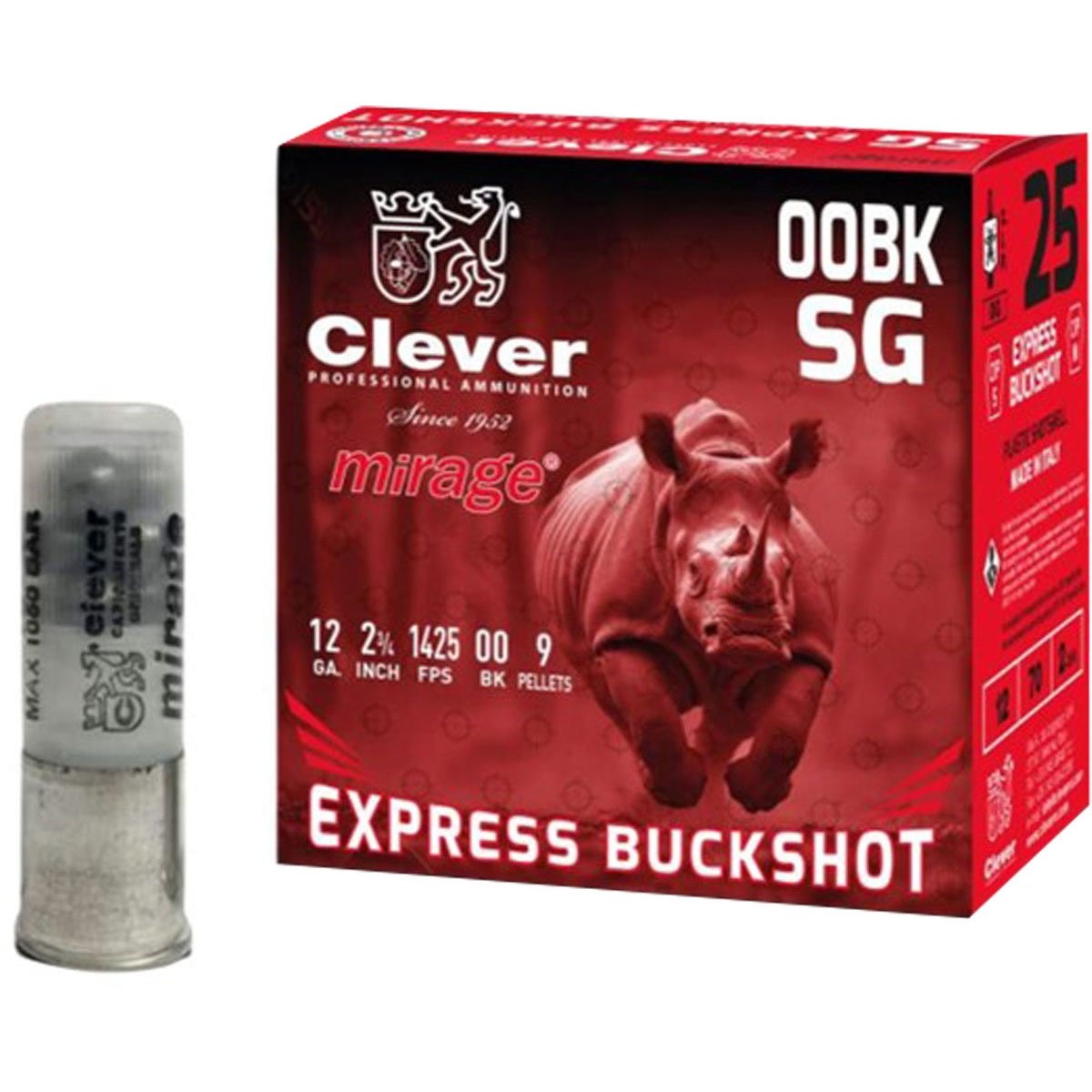
CLEVER MIRAGE 12 GA Ammo 2 3/4IN 00-BUCKSHOT (1425FPS) 9PLT 25RD BOX
438gr Buckshot · 25rd
Also in 250rd, 500rd
$16.19$0.65/rdIn stock
- Clever
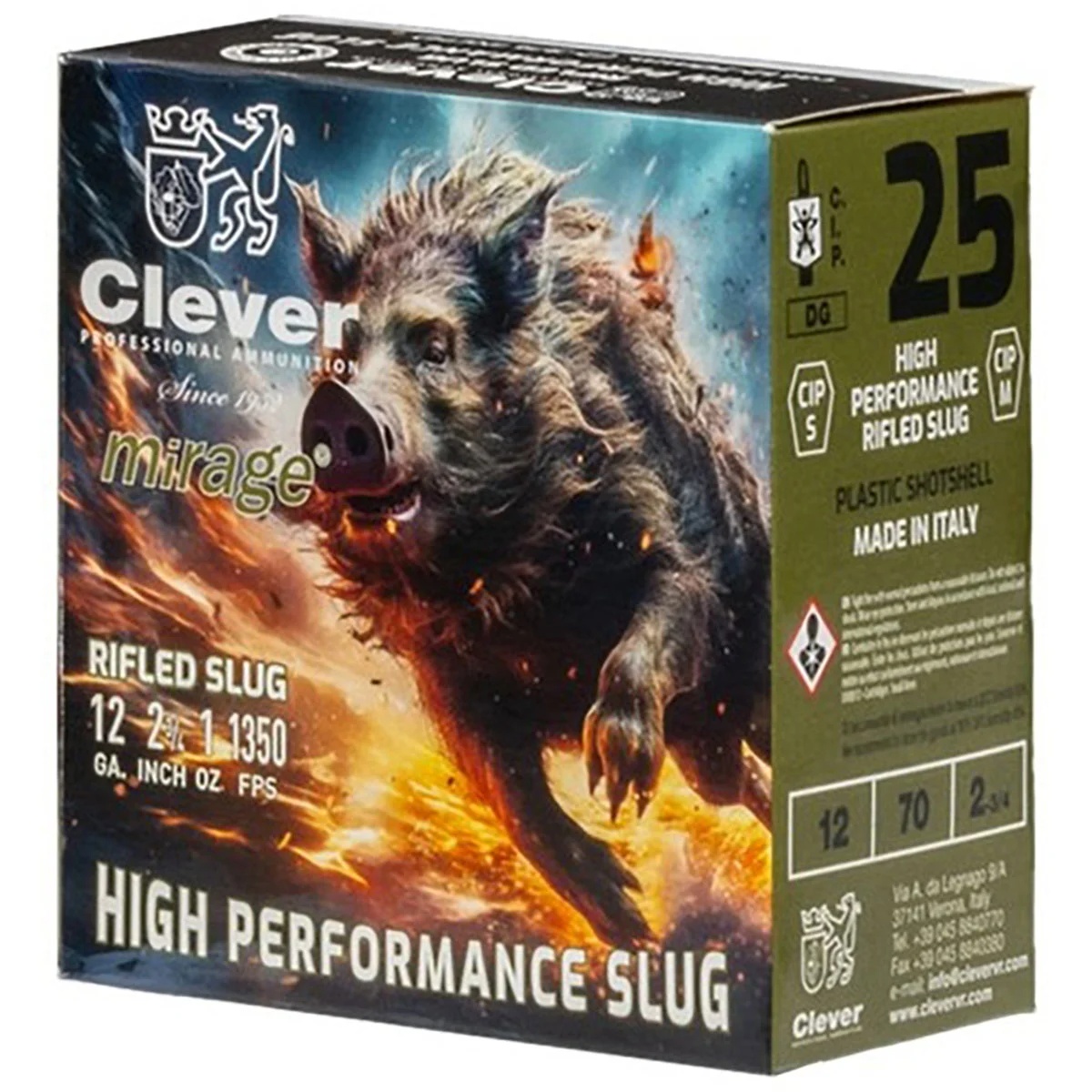
CLEVER MIRAGE 12 GA Ammo SLUG 2 3/4IN 1OZ 1350FPS 25RD BOX
438gr Slug · 25rd
Also in 250rd, 500rd
$21.59$0.86/rdIn stock
Out of stock
FederalFEDERAL 250TH ANNIVERSARY 12GA AMMO 2 3/4IN #8 SHOT Ammo 1145FPS 25RD BOX
25rd
$10.79$0.43/rdCurrently unavailable
- Federal
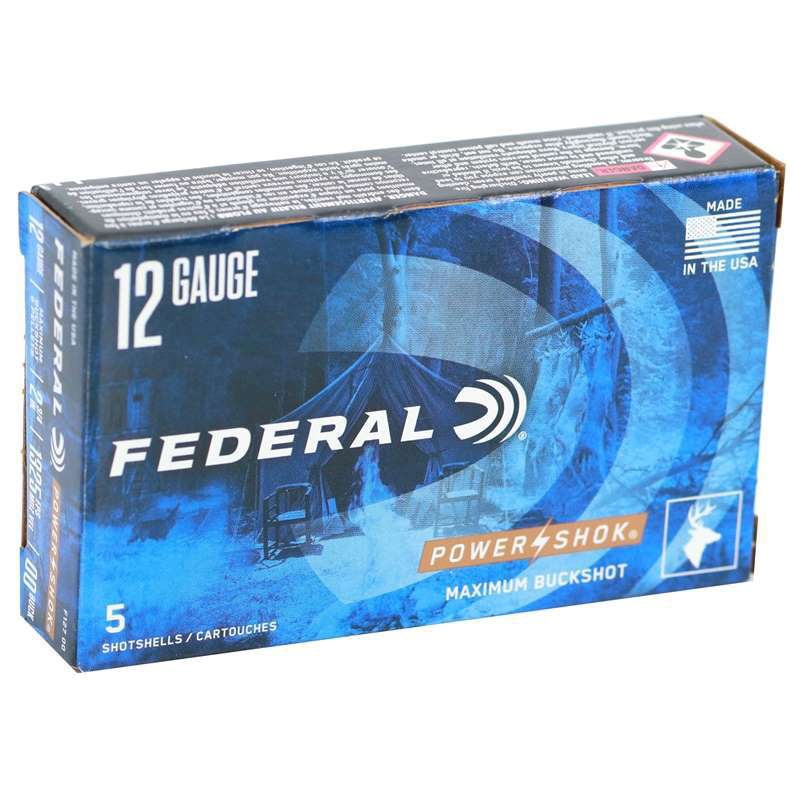
Federal Power-Shok 12 Gauge AMMO 2.75" 9 Pellets 00 Buck Shot 5RD BOX
5rd
$6.05$1.21/rdIn stock
- Federal
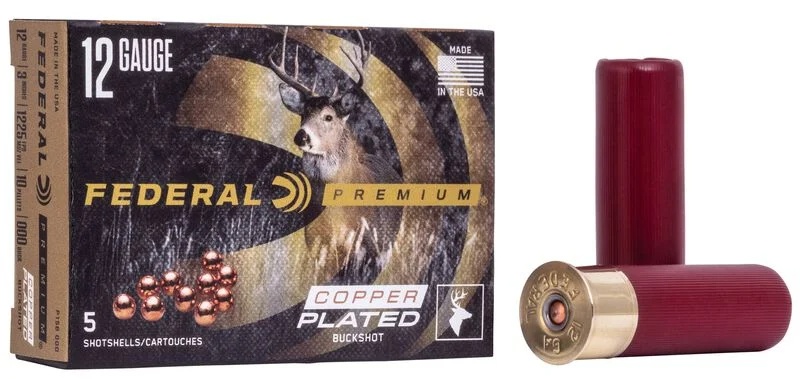
FEDERAL PREMIUM 12GA AMMO 3IN (1225FPS) 10 PELLETS 000 BUCK 5RD BOX
Buckshot · 5rd
$17.27$3.45/rdIn stock
- Federal
Federal SH129RS Shorty 12 Gauge 1.75" 1 oz Slug Shot 10RD BOX
Slug · 10rd
Also in 100rd
$11.87$1.19/rdIn stock
- Federal
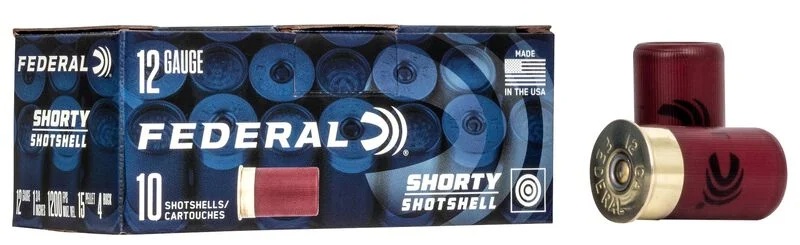
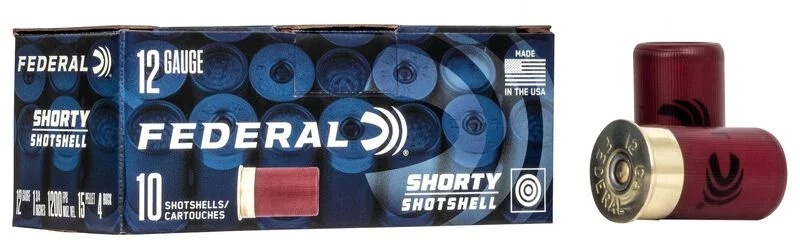
FEDERAL SHORTY SHOTSHELL 12GA 1 3/4IN 15PLT #4 BUCKSHOT (1200FPS) 10RD BOX
437gr Slug · 10rd
$11.86$1.19/rdIn stock
- Fiocchi
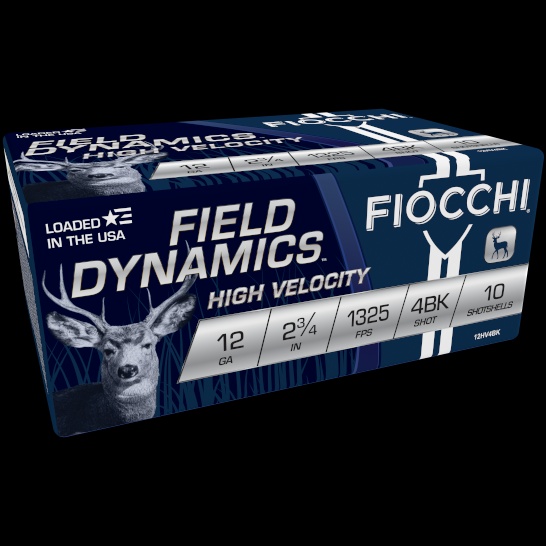
FIOCCHI 12 GA AMMO 2.75IN 27PLT NUMBER #4 NICKEL-PLATED BUCKSHOT 10RD BOX
437gr 10rd
$12.53$1.25/rdIn stock
- Fiocchi
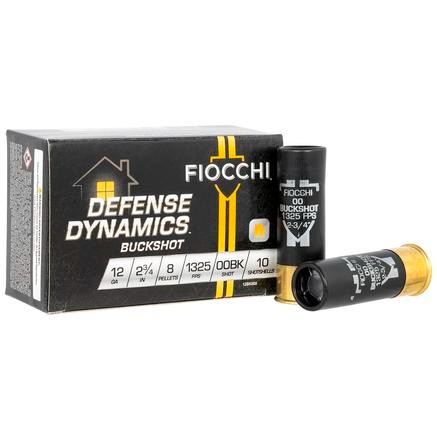
Fiocchi Defense Dynamics 12 Gauge AMMO 2.75" 8Pellets 00 Buck Shot 10RD BOX
10rd
$12.95$1.29/rdIn stock
Before you buy
What to know about 12 Gauge
What people buy it for
- Trap, skeet and sporting clays
- Upland bird and waterfowl hunting
- Home defense with buckshot
- Deer hunting with slugs, particularly in shotgun-only zones
- 3-Gun and practical shotgun competition
- Turkey hunting with dense, tight-patterning loads
Shell length is a safety matter, not a preference
12 gauge shells come in 2¾ inch, 3 inch and 3½ inch. A gun chambered for 3 inch will fire 2¾ inch shells safely; a gun chambered for 2¾ inch must never be fired with 3 inch shells, because the crimp needs room to open and a longer shell in a shorter chamber raises pressure sharply. The chamber length is normally stamped on the barrel. Check it before you buy a case, and check it again on a borrowed or inherited gun.
Shot size numbering runs backwards
The smaller the number, the larger the pellet. #9 and #8 are small and dense: skeet and close clays. #7½ is the general target and close upland size. #6 through #4 are larger pellets for bigger birds. Then the buckshot scale starts over: #4 buck, #1 buck, 0 buck and 00 buck, with 00 the largest and the standard defensive load. Slugs are a single projectile. Confusing #4 birdshot with #4 buckshot is a genuine and consequential mistake.
Light target loads may not cycle a gas semi-auto
Gas-operated semi-automatic shotguns need a minimum amount of energy to work the action, and the lightest, slowest target loads sometimes do not produce it, particularly in a gun that is dirty or newly broken in. Inertia-driven guns are usually less fussy. If you are buying flats of light loads for a semi-auto, buy one flat first and prove it runs.
Steel shot, chokes and waterfowl
Non-toxic shot is federally required for hunting migratory waterfowl, so steel, bismuth or tungsten alloys rather than lead. Steel is much harder than lead and does not deform through a tight choke the way lead does. Older guns with fixed full chokes, and some fine older barrels, should not be fired with steel shot. Check the manufacturer's guidance before putting steel through a gun that predates it, and expect steel to pattern tighter than the same nominal lead choke.
Rifled slugs and sabot slugs are not interchangeable
Rifled slugs (with the angled fins on the outside) are made for smoothbore barrels and shoot acceptably through them. Sabot slugs are made for fully rifled slug barrels and are wasted, and inaccurate, in a smoothbore. Firing a rifled slug through a rifled barrel fouls it badly. Match the slug to the barrel you actually have.
Questions
Common questions
Can I shoot 2¾ inch shells in a 3 inch shotgun?
Yes, and most people do most of the time: a 3 inch chamber handles 2¾ inch shells safely, and a 3½ inch chamber handles all three. The reverse is dangerous: a 3 inch shell in a 2¾ inch chamber has nowhere for its crimp to unfold and pressure climbs sharply. The chamber length is stamped on the barrel; read it before you buy.
What shot size should I buy?
Remember that a smaller number means a bigger pellet. #9 and #8 for skeet and close clays, #7½ as the general target and close upland load, #6 and larger for bigger birds at longer range. Buckshot is a separate scale entirely, with 00 buck the standard defensive size. Slugs are one projectile for deer and large game. Hunting regulations often specify permitted shot sizes and materials. Check them for your state and species.
Why won't my semi-auto cycle light target loads?
Gas guns need a minimum energy to work the action, and the mildest promotional target loads sit right at the edge of it, especially in a shotgun that needs cleaning or has not been broken in. Check the shell's velocity and dram equivalent against what your manual says the gun requires, clean the gas system, and if you are buying flats for a semi-auto, prove one flat before committing to ten.
Do I need steel shot for duck hunting?
Non-toxic shot is federally required for hunting migratory waterfowl, and steel is the cheapest of the approved options; bismuth and tungsten alloys are the others. Before you use steel, confirm your shotgun and choke are rated for it: it is much harder than lead and older barrels and fixed tight chokes may not be safe with it. Steel also patterns tighter than lead through the same choke, so open up a notch.
How much does 12 Gauge cost per round?
12 Gauge runs from $0.43 to $10.15 per round in stock right now. Every price on the page carries its cost per round beside it, so the comparison is one glance rather than arithmetic.
Is it cheaper to buy 12 Gauge by the case?
Usually, yes. We stock 12 Gauge from 3 rounds up to 500, and the cost per round beside each price is what shows whether a particular case actually beats the box. It is not automatic: a discounted box sometimes wins.
Which brands of 12 Gauge do you stock?
Barnes, Brenneke, Clever, Federal, Fiocchi, Hornady, Paraklese Technologies, Remington, Rio Ammunition and Winchester are in stock in 12 Gauge today. Stock changes as the feed runs, so the list on the page is the current one.
What bullet weights does 12 Gauge come in?
The 12 Gauge in stock runs 9, 300, 385, 432, 437, 438, 450, 492, 656, 710, 765 grain. Weight changes how the round feels and where it prints more than most shooters expect, so it is worth matching what you already shoot.
Is 12 Gauge in stock?
35 of the 48 12 Gauge products we list are in stock right now. Out of stock items stay on the page rather than disappearing, so a link you saved still works and you can see what normally sits here.