Wadcutter and semi-wadcutter: the target bullets that still work for defence
Wadcutters are cookie cutters for paper, semi-wadcutters are the compromise that feeds, and the .38 Special shelf still sells both for reasons that have not changed in fifty years.
By TAS6 min read

A wadcutter is a cylindrical bullet with a flat front, usually seated flush with the case mouth, built to shear a caliber-sized hole through paper instead of tearing one. A semi-wadcutter keeps the sharp shoulder that does the shearing but adds a pointed or rounded nose ahead of it — enough profile to feed in an autoloader, and enough shoulder to still cut cleanly.
Both are target designs that never entirely left the defence conversation, because a bullet that cuts a perfect hole also cuts a caliber-diameter wound channel, and because the .38 Special loads built around them are mild, cheap and everywhere. The engineering question is not whether they work; it is where each one stops working.
| Profile | Front | Feeds in autos? | Typical job |
|---|---|---|---|
| Wadcutter (WC) | Flat, flush with case mouth | Poorly — avoid | 25-yard and bullseye revolver work |
| Hollow-base wadcutter (HBWC) | Flat, hollow skirt | No | The classic 148 grain target load |
| Semi-wadcutter (SWC) | Shoulder plus a nose | Sometimes — profile-dependent | General revolver use, some autoloaders |
Why paper punches clean
A round-nose bullet pushes paper aside; the fibres stretch and tear raggedly, and the scoring line on a target becomes a judgement call. A wadcutter arrives like a paper punch — the full diameter of the bearing surface contacts the paper at once and shears it, leaving a hole that shows exactly where the bullet went. At 25 yards, or on a fifty-foot bullseye, that edge in readability is the entire point of the design: you cannot call a shot you cannot see.
The trade is aerodynamics, and at target distances it does not matter. A flat-front cylinder is a terrible shape for flying — it sheds velocity and drifts sooner than any ogive — but inside 25 yards the trajectory is a horizontal line for practical purposes. Outside that world the shape falls apart quickly, which is why you will not find wadcutters in any long-range discipline. What matters in the short game is the other half of the physics: the hollow-base version uses its thin skirt to obdurate into the rifling at modest velocities, so a 750-feet-per-second target load still shoots accurately from a service-length barrel.
Why they feed badly, and what the SWC fixes
In a revolver none of this matters — the cylinder presents each round straight to the chamber, and the profile of the nose is irrelevant to the mechanism. In an autoloader the flat front is a liability: the bullet nose must ride up the feed ramp and under the feed lug, and a flush, square edge catches where a round nose slides. Full wadcutters in a pistol are a recipe for jams.
The semi-wadcutter is Elmer Keith’s compromise, and it remains one of the most copied bullet profiles in handloading: a cone or round-shouldered nose that behaves like a round nose on the ramp, with the wadcutter shoulder left at the base of the bearing surface to do the cutting when it reaches paper. In revolvers they are simply the all-purpose choice. In autoloaders they work when the profile matches the gun — a 230 grain .45 SWC is a beloved 1911 load in some examples and a jam machine in others, which is the standing rule: run a full magazine through the pistol before you trust any non-round-nose shape to carry.
The .38 Special loads that still make sense
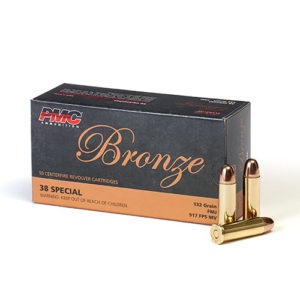
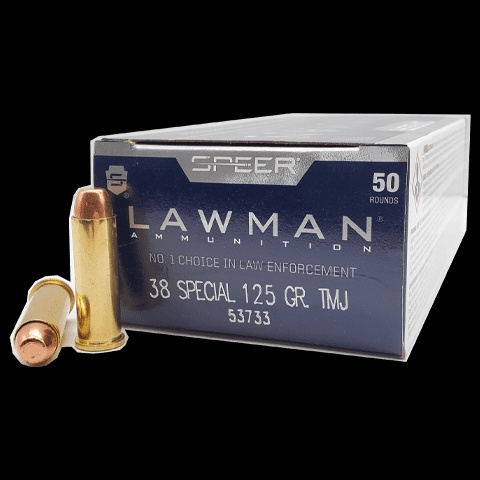
The .38 Special shelf is where this design still earns its keep, and three loadings account for most of it:
- 148 grain hollow-base wadcutter. The standard target load, around 750 to 800 feet per second from a 4-inch barrel. Mild recoil, clean holes, low cost — it is still the best training ammunition for a revolver, and it is the load that teaches trigger control because it punishes nothing else.
- 158 grain lead semi-wadcutter or round-nose. The standard-pressure workhorse at similar velocities: cheap, accurate, and the conventional choice for range volume and general use.
- 158 grain lead semi-wadcutter hollow point, +P. The historic duty loading — roughly 850 to 900 feet per second from a 4-inch tube — and for decades the default police round in a service revolver. It expands modestly by modern standards and penetrates well; it is a legitimate budget carry choice in a gun rated for +P, though a modern hollow point such as the Federal Hydra-Shok Deep or Hornady Critical Defense loads are the designs I would carry first.
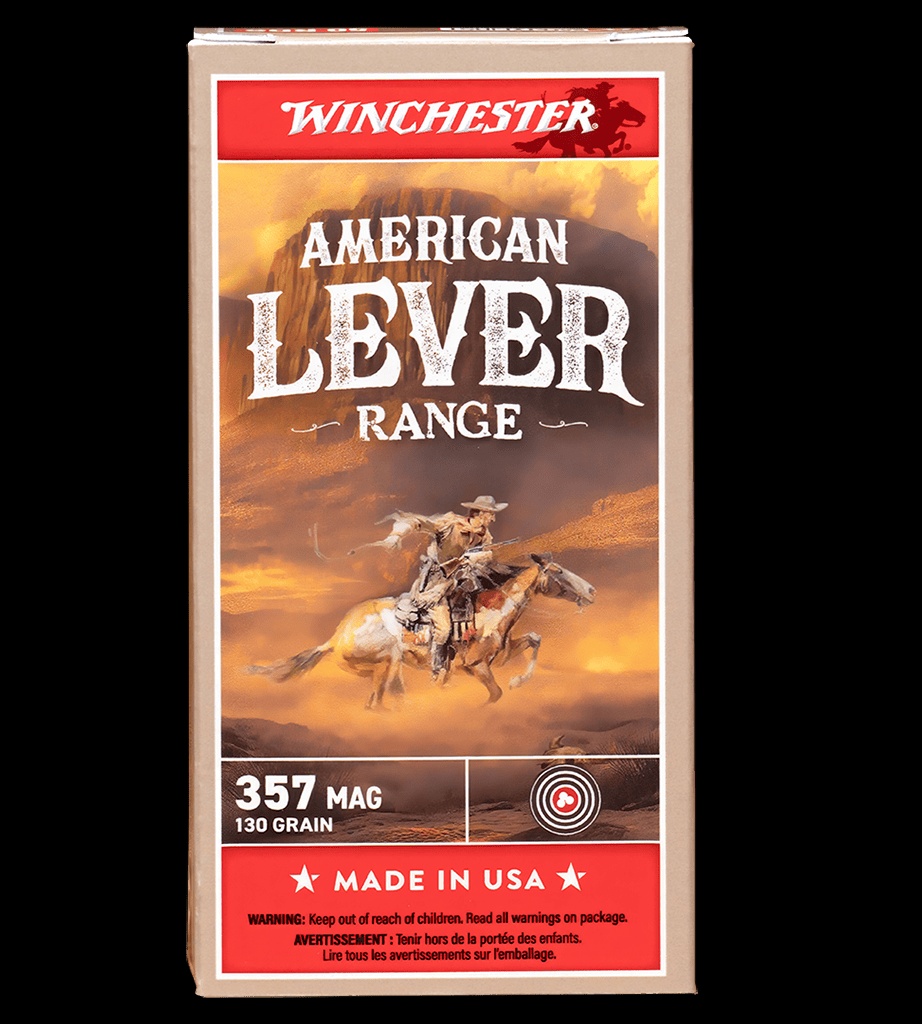
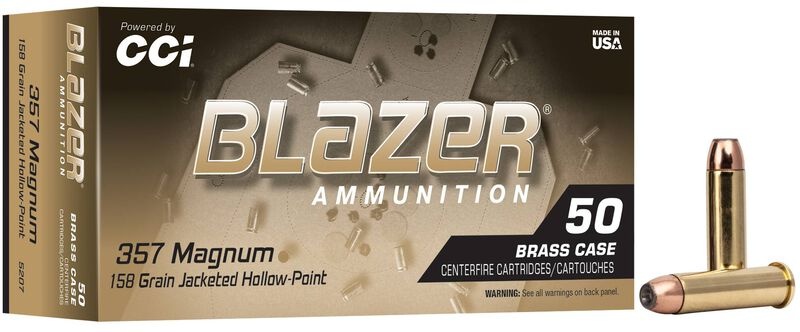
The .357 Magnum turns the same geometry up sharply: a 158 grain semi-wadcutter hollow point in .357 leaves a 4-inch barrel near 1,200 feet per second, which is a different class of performance from the .38 and one of the great utility loads of the revolver world. Remember the chambering rule when stocking up: a .357 revolver safely fires .38 Special for practice, but a .38 will not accept the longer .357 cartridge. The cost signal on both shelves is at $0.50 and $0.58 a round respectively.
What still belongs in the box
As defence ammunition, solid wadcutters and semi-wadcutters cut a consistent caliber-diameter hole and penetrate reliably — they do not expand, and they never were designed to. For a snub revolver whose owner shoots it twice a year, a mild 148 grain wadcutter is more likely to be placed accurately than a hot load, and placement is the argument that has always rescued this design. For everything else, modern expanding hollow points are simply better at the job.
The sensible order: buy a box of 148 grain HBWC and a box of 158 grain SWC for practice in a weight you can zero for, confirm the revolver or pistol cycles whatever profile you are considering, and keep the expanding loads for the gun that has to perform once. On the smaller side of the market there is nothing equivalent — the .380 ACP shelf has no meaningful wadcutter selection because the cartridge was built around short, round-nosed jackets from the start. Flat-front bullets remain a revolver and target-pistol tradition, and at that job nothing on the shelf does it better.
Shop this caliber
Live prices from the warehouses that have it on a shelf right now.