20 gauge ammo buying guide
A 20 gauge with a 1 ounce load is not a toy. The payload gap against a 12 gauge is smaller than the box art suggests, and the recoil savings are real.
By TAS6 min read
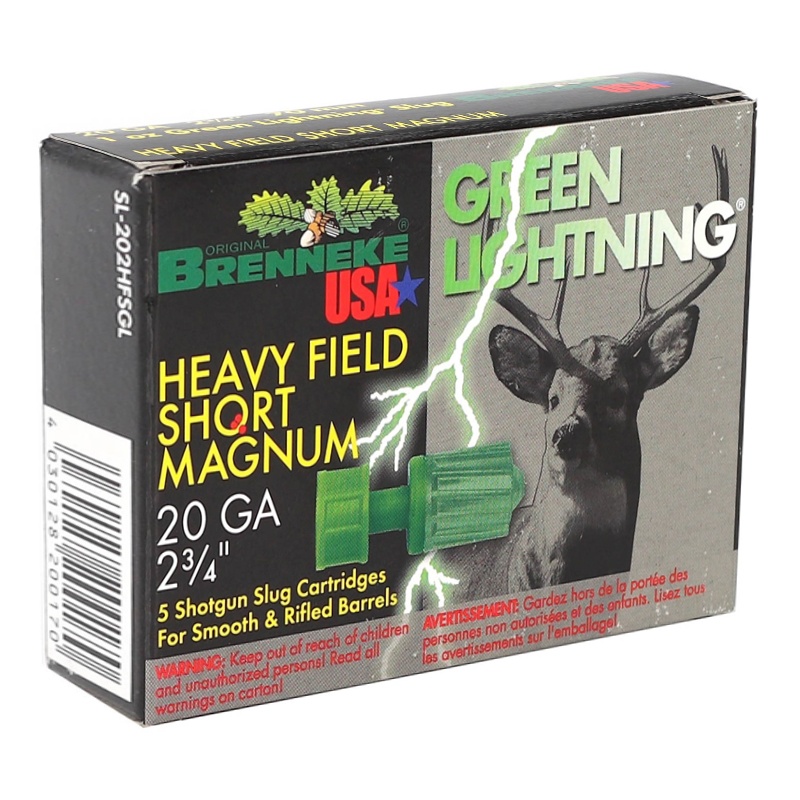
20 gauge gets treated as the junior option, and the ammunition market reflects that assumption: fewer premium buckshot and slug loads, thinner shelf space, and a reputation as a youth-gun chambering. The ballistics do not support the reputation. A 3" 20 gauge shell carries a full ounce of shot — close to a standard 2 3/4" 12 gauge — and the recoil savings over a 12 are large enough to change how well somebody actually shoots. That is the whole argument, and the load menu is what makes it work.
The payload gap is smaller than it looks
| Shell | Payload | Typical velocity | Character |
|---|---|---|---|
| 12 ga, 2 3/4" | 1 1/8 oz shot | 1,150–1,250 fps | The baseline |
| 20 ga, 2 3/4" | 7/8 oz shot | 1,200–1,250 fps | Noticeably less recoil, slightly thinner pattern |
| 20 ga, 3" | 1–1 1/8 oz shot | 1,150–1,200 fps | Payload approaching a 2 3/4" 12 ga |
A 20 gauge 2 3/4" target or field load throws about 7/8 ounce of shot, roughly three quarters of a standard 12 gauge hunting load. A 3" 20 gauge throws a full ounce or a little more, which is a standard 12 gauge payload with a lighter gun behind it. For clays, upland birds and deer at sensible shotgun ranges, that is not a meaningful compromise. The gap only becomes real when you are comparing against 3" or 3 1/2" 12 gauge magnum waterfowl loads, which is a different conversation.
What to buy for what
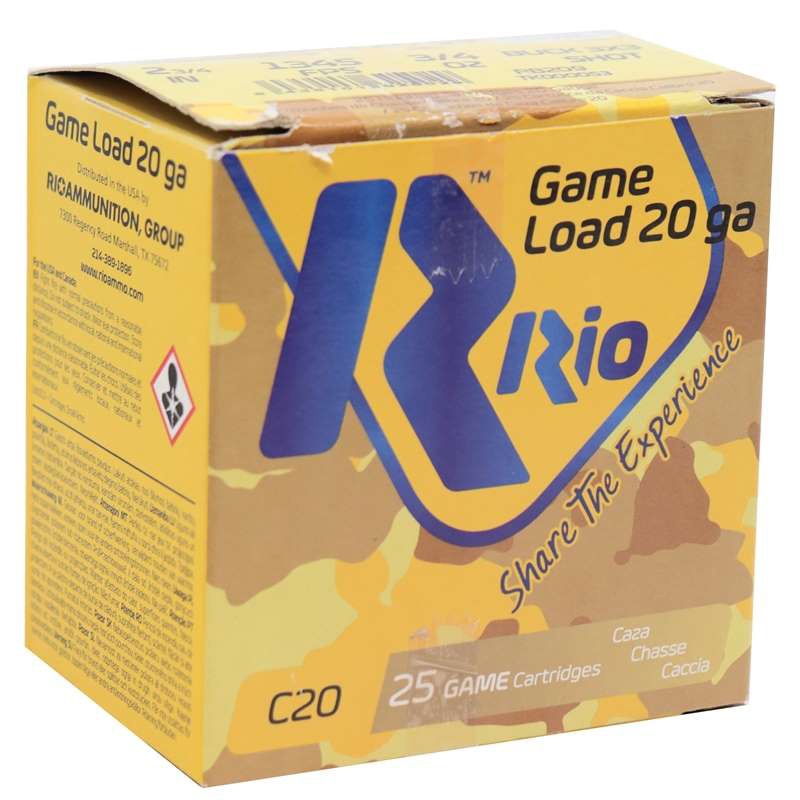
Target loads are 7/8 ounce of #7.5 or #8 shot at about 1,200 fps, and they are what you should practise with. They break clays well, recoil is genuinely mild, and they are the cheapest shells on the shelf. Buy them by the flat.
Buckshot is where the 20 gauge earns its keep for hunters and for home defence. A 2 3/4" 00 buck shell holds nine pellets; a 3" shell holds ten or more depending on the load. #4 buck is also available and, as with the 12 gauge, is a reasonable defensive choice when overpenetration through interior walls is a concern. Pattern a few loads before you commit: 20 gauge buckshot patterns are sometimes more variable than the 12 gauge equivalent, and the difference between brands can be larger than the difference between gauges.
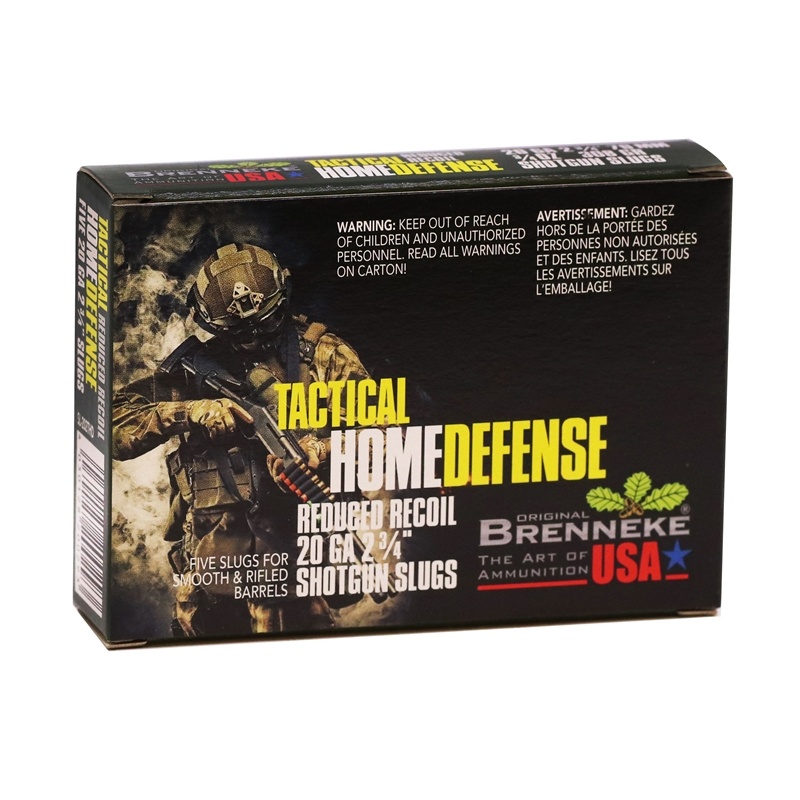
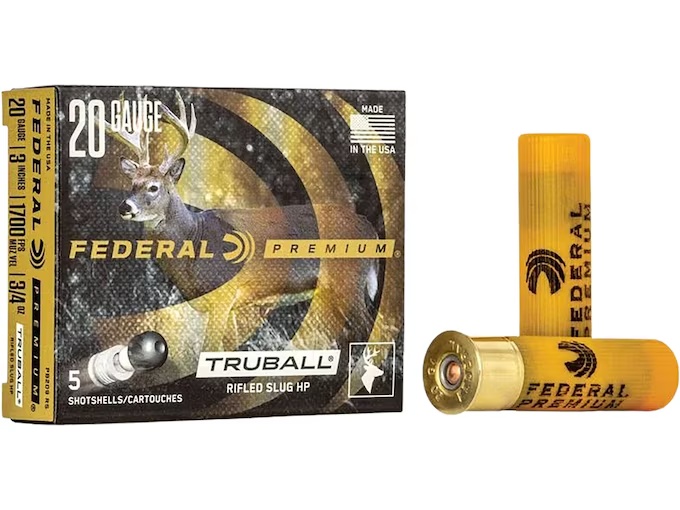
Slugs are available in both Foster and, less commonly, sabot form. A 20 gauge Foster slug from a smoothbore with a cylinder or improved-cylinder choke is a legitimate deer load inside 75 yards, and it recoils meaningfully less than a 12 gauge slug — which matters if you are shooting from an awkward position or a short barrel. As with the 12, do not fire slugs through a full choke.
Waterfowl hunters have one extra filter: non-toxic shot is required by federal law, so steel, bismuth or tungsten is the only legal option in the blind. Steel is the cheapest and the hardest to pattern well from a tight lead-era choke; bismuth and tungsten behave more like lead and cost more. A 20 gauge with a properly matched non-toxic load is a legitimate waterfowl gun at reasonable distances; it simply gives up some pattern density against a 12 at the same range, which is the same trade you make everywhere else with this chambering.
Chokes and the 12 gauge comparison
20 gauge uses the same choke constrictations — cylinder, improved cylinder, modified, full — and the same rules about slugs and buckshot apply. Pattern your buckshot at the distance you would actually use it; pattern your slugs at 50 yards if you hunt with them. If you are choosing between a 12 and a 20 for a general-purpose shotgun, the honest comparison is recoil and fit against a modest payload difference, and the full argument is in the 12 gauge guide.
One practical note for semi-automatic 20 gauge owners: some gas-operated guns are tuned tightly enough that they prefer a specific velocity range and will short-stroke on the lightest target loads. If your semi-auto runs hunting loads fine and stumbles on target loads, try a slightly hotter target load or a gas-choke adjustment before blaming the gun. Pump and inertia designs are usually less fussy, which is one reason they persist as loaner and youth guns.
The cheapest in-stock price on the 20 gauge page is currently $1.08 a round, which is target-load territory and usually a few cents above the equivalent 12 gauge shell — the premium you pay for a slightly smaller production volume, and a small price for the recoil reduction if it is what keeps you shooting.
A sensible first order
- A flat of 7/8 ounce target loads for practice and to establish which chokes your gun patterns best with.
- Two boxes of 00 or #4 buck, in the length your chamber accepts, for verification and defensive use.
- A box of Foster slugs if you hunt or want the option, with a pattern test at 50 yards before season.
The full shell menu, sorted by payload and shot size, is on the 20 gauge caliber page. If you are also looking at a small-bore AR for the same general-purpose role, the 5.7×28mm guide covers a completely different answer to the same question, and the case-versus-box economics are in bulk ammo.
Shop this caliber
Live prices from the warehouses that have it on a shelf right now.