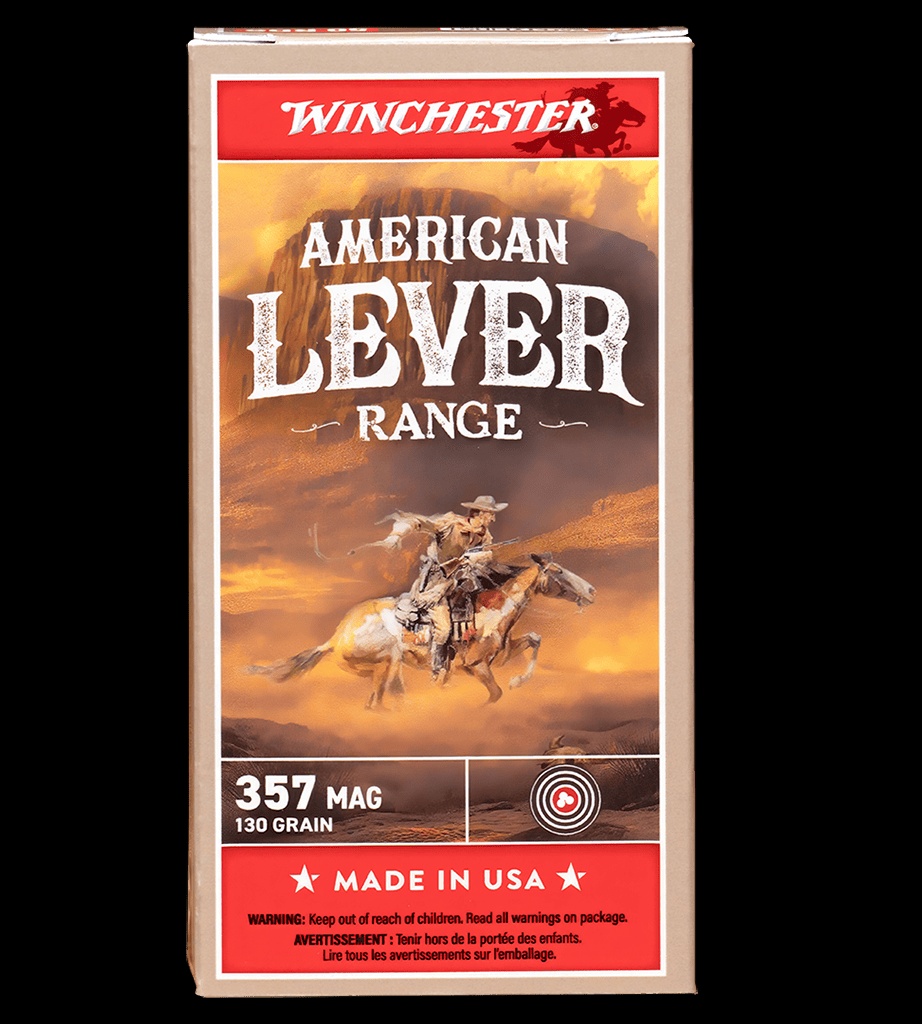
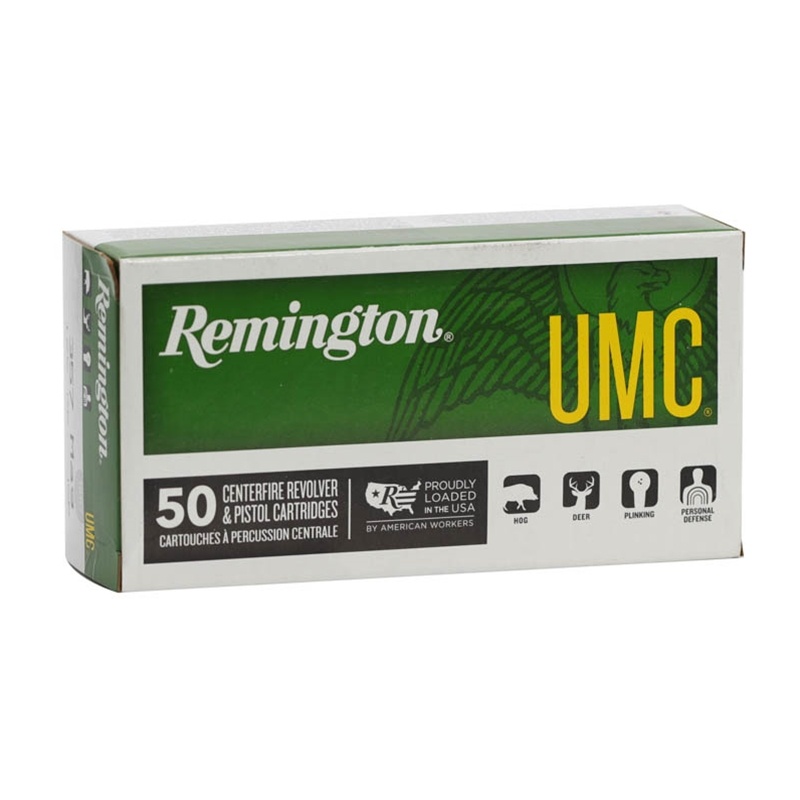
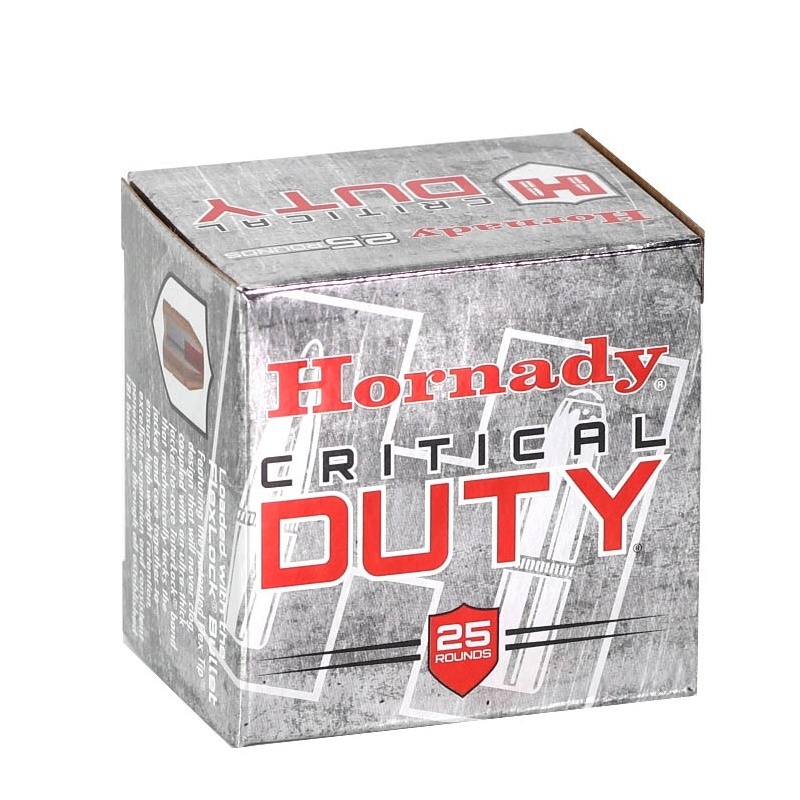
.357 Magnum ammo buying guide
Few cartridges change character with barrel length the way .357 Magnum does. Ammo selection by barrel length, magnum loads worth buying, and the .38 Special practice economics that make the chamber affordable.
By TAS6 min read
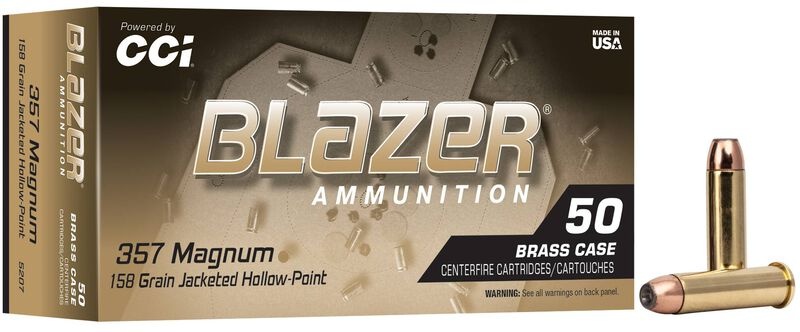
.357 Magnum is one of the few cartridges that is superb from a 2-inch barrel and devastating from a 6-inch one — same headstamp, same case, 200 to 300 fps of difference depending on the load and the gun. That is the buying problem in a sentence: the barrel length of your revolver decides the load you should buy, and a box that shines in a 6-inch hunting piece may be all flash and no benefit from a snub.
The second half of the answer is economics. A .357 Magnum revolver fires .38 Special, so practice ammunition costs half of what magnum practice would, and the sensible owner shoots a lot of the cheap stuff and a little of the expensive stuff. Combine those two facts and the whole buying guide falls out.
What .357 Magnum is for
Introduced in 1935 — as a cartridge that deliberately pushed past the .38 Special — it remains the standard full-size revolver round for duty, hunting, and field carry. From a 4-inch service revolver, a 125 grain load at roughly 1,450 fps is a serious defensive tool; from a 6-inch barrel, 158 grain loads at 1,300 fps and up reach medium-game hunting distances; from a 2-inch snub, the magnum load is still carryable by experienced shooters who practise with it, and a great deal of .38 Special can be fired through the same chamber for far less money.
It is not a beginner’s cartridge at full power. The recoil from a lightweight snub firing 125 grain magnums is violent — muzzle flip, flash, and a blast that punishes anyone who does not shoot it regularly. The relationship to .38 Special is covered in full in the .38 Special buying guide; the rest of this page is about choosing among magnum loads.
The load menu
| Load | Velocity (4") | Character | Best at |
|---|---|---|---|
| 125 gr JHP, magnum | 1,400–1,500 fps | Maximum punch; heavy flash and blast | Duty from 4" and up |
| 158 gr JHP, magnum | 1,250–1,350 fps | Deep, easier to control than 125s | Field carry and hunting |
| 110 gr JHP, magnum | 1,350–1,450 fps | Light, fast, popular in snubs | Short-barrel duty, with practice |
| 158 gr SWC, .38 Special | 750–800 fps | Practice economics in a magnum chamber | Volume practice, all barrel lengths |
Ammo selection by barrel length
2-inch snub: the barrel is too short to exploit magnum velocity, and the 125 grain magnum load produces more flash than the shooter can use. Many snub owners carry a 110 or 125 grain magnum hollow point and practise on .38 Special +P, which mimics the recoil impulse closely enough for the distances a snub is used at. The alternative — carrying .38 Special +P and accepting the velocity loss — is defensible too, and cheaper to verify.
4-inch service revolver: the classic duty length, and the barrel that earns the magnum name. A 125 grain JHP at roughly 1,450 fps is the textbook load; 158 grain JHP at 1,250 fps is the softer-shooting alternative that still has hunting-level energy at close range. Both are worth owning; the choice is recoil preference.
6-inch and longer, including carbines: now you are getting 100–200 fps over the 4-inch numbers, which extends useful range and is the barrel length that makes 158 grain hunting loads sensible on medium game. Lever-action carbines chambered in .357 gain the same way, and turn the cartridge into something closer to a short-range rifle — a different purchase decision again, and one where the caliber tradeoffs matter less than the game you are after.
What to practise with
The single biggest advantage of a .357 Magnum chamber is that .38 Special practice ammunition is half the price of magnum loads and shoots the same manual of arms — same cylinder, same trigger, same sights. Buy the 158 grain lead semi-wadcutter case (see the .38 Special guide above for why it works) or a copper-plated FMJ if the range bans lead, and put the savings into volume. The cheapest .38 Special practice sits near $0.50 a round; magnum practice in $0.58 territory on the .357 Magnum caliber page is a different equation, and a full case of magnums is a lot of recoil for the money.
One qualification: if your duty load is a magnum, shoot some of it — a box a year at minimum — to stay honest about the recoil and to confirm function. A revolver that has never seen a magnum cylinder full is a revolver whose owner flinches the first time it matters.
Common mistakes
- Buying the hottest load for a snub. Barrel length is the filter. Flash and blast are not velocity, and velocity you cannot control is not a gain.
- Practising exclusively on magnums. Expensive, punishing, and unnecessary when the same chamber eats .38 Special.
- Forgetting the frame. Lightweight alloy .357s are rated for magnums but punish anyone who shoots them poorly. Steel for volume, alloy for carry, and practise with the weight you carry.
- Ignoring headstamps in mixed lots. Keep magnum and .38 boxes visually distinct; a .38 in a magnum chamber is safe, a magnum in a .38 Special revolver is not, and mixed range bags cause that mistake more often than anyone admits.
A sensible first order
- One case of .38 Special practice — 500 rounds of 158 grain lead or plated FMJ — for the cylinder volume the recoil of magnums would otherwise make unaffordable.
- Two boxes of one magnum hollow point matched to barrel length: 125 grain from 4 inches up, 110 or 158 from a snub. One box for the verification run, one for the duty cylinders.
- One box of 158 grain magnum if you hunt or carry for the field — the load that makes the 6-inch barrel worth owning.
That order gives you a year of affordable practice, a duty load verified in your gun, and a hunting load that matches the barrel you will actually carry into the woods. When the question grows past medium game, the step up the ladder is covered in the .38 Special guide’s companion piece and the larger magnum conversation — but for most owners, this is where the shopping list ends.
Shop this caliber
Live prices from the warehouses that have it on a shelf right now.