10mm ammo buying guide
The full-power 10mm and the 40-short-and-fat loads sold under the same name are different cartridges with different numbers. Know which box you are buying before you plan around it.
By TAS6 min read
10mm Auto is one cartridge sold in two temperaments. The full-power load — a 180 grain bullet at 1,200 to 1,300 fps from a 5-inch barrel — is a genuine magnum-class handgun round with the velocity to reach 150 yards and the energy for bear country. The downloaded load, sold under the same headstamp, is a 40 S&W ballistic twin at 1,000 fps and a lower price. Both are legitimate; only one is why you bought a 10mm. The entire buying decision is learning to tell them apart on the box.
The short rule: read the velocity, not the label. Full-power 10mm runs 180 grains at 1,200 fps and up. Anything at or near 1,000 fps is a downloaded load, and it is priced and should be chosen as what it is — practice ammunition, or a soft-shooting carry load — not as bear protection.
What 10mm is for
The cartridge was introduced in 1983 for law enforcement, adopted and then partly abandoned, and reborn as the favorite of hunters, hikers, and anyone who wants handgun reach without stepping up to a large magnum revolver. Its real-world niches today are three: backcountry defence against bears when a rifle is not practical, handgun hunting of medium game inside 100 yards, and full-size pistol shooting by people who simply like the ballistics.
It is a big, high-energy round. Recoil in a 40-ounce steel pistol is brisk but manageable; in a polymer compact it is sharp, and practice volume drops accordingly. For the deeper look at where it sits between .45 ACP and the magnum revolvers, see 9mm vs .45 ACP for the capacity-and-cost side of the same argument.
The load menu
| Load | Velocity | Character | Best at |
|---|---|---|---|
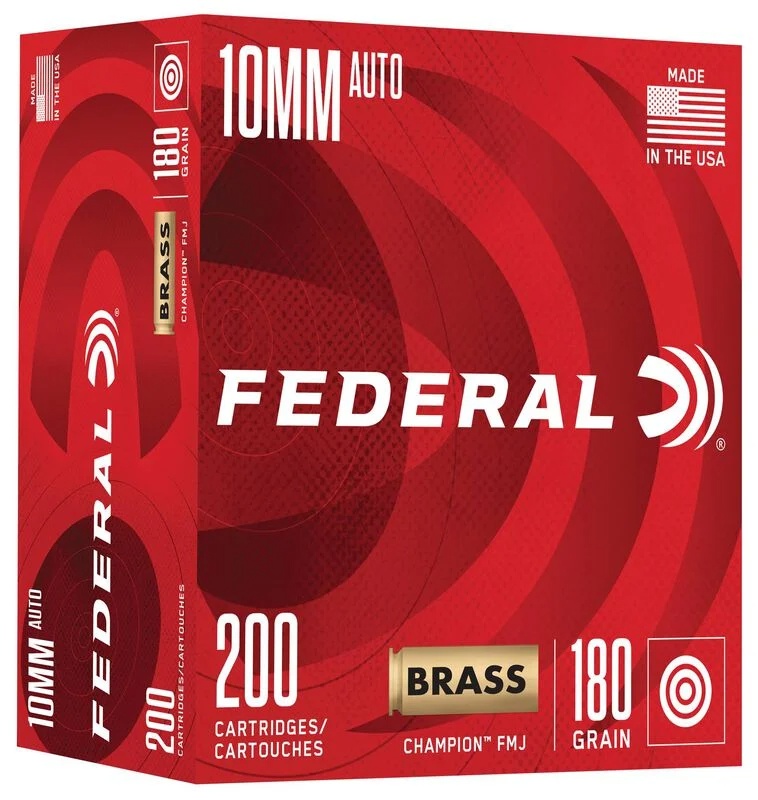
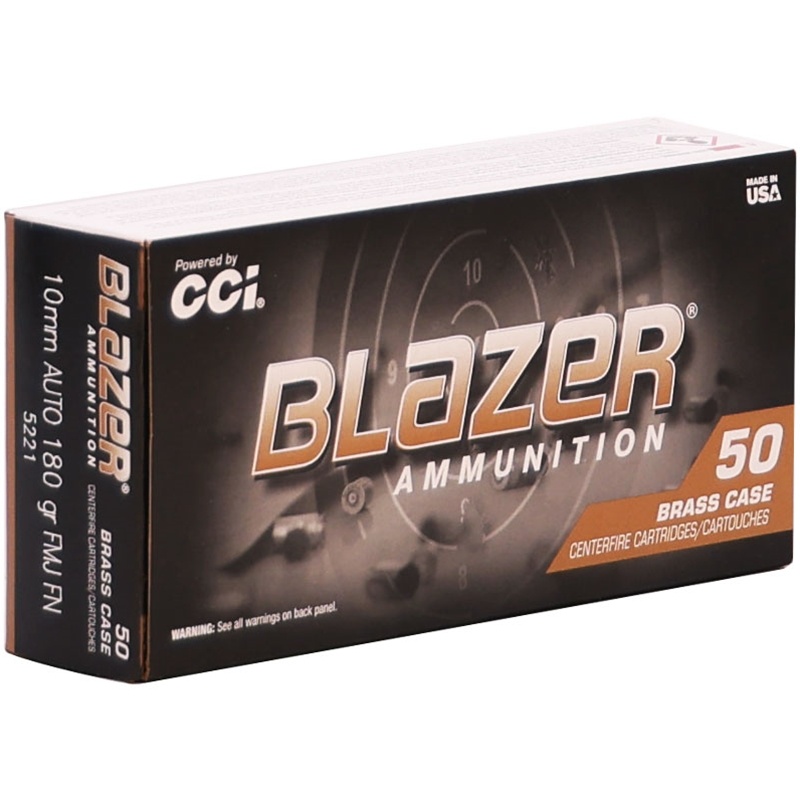
| 180 gr FMJ, full-power | 1,200–1,300 fps | The real 10mm; heavy recoil impulse | Practice for hunting and field carry |
| 180 gr FMJ, downloaded | 950–1,050 fps | 40 S&W numbers in a 10mm case | Economy practice; mild carry |
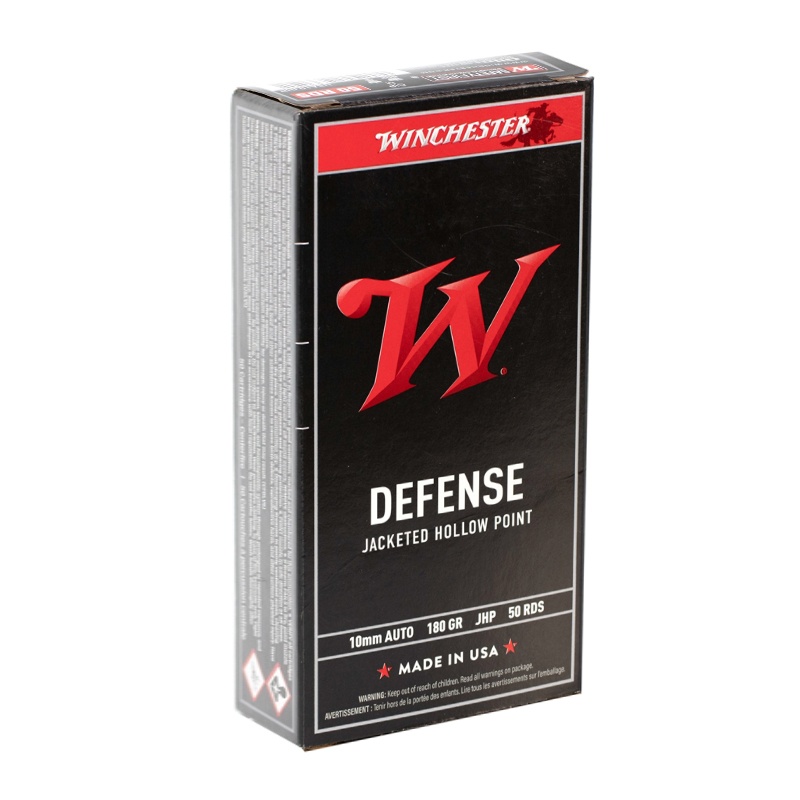
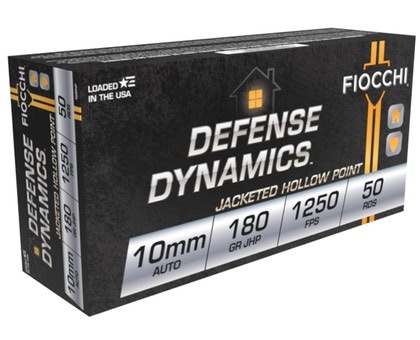
| 180 gr JHP, full-power | 1,200–1,250 fps | Bonded and barrier-tested designs | Defence from a 5" barrel |
| 200–220 gr hardcast | 1,100–1,250 fps | Solid, non-expanding; deep drive | Bear country and heavy game |
Full-power versus downloaded
Original 10mm ballistics called for a 180 grain bullet at about 1,250 fps from a 5-inch test barrel. After law enforcement agencies found the full load hard to qualify with, factory loads and pistol designs moved down toward the 1,000 fps mark — the exact range .40 S&W occupies, which is no accident: .40 S&W is a shortened 10mm case loaded to roughly those numbers.
The market still sells both under the 10mm name, and the velocity on the box is the only reliable tell. Full-power loads from Federal, Underwood, Buffalo Bore, and similar makers print 1,200 fps and above with 180 grains and charge accordingly. Range-grade FMJ frequently sits near 1,000 fps. Neither is dishonest; they serve different purposes. Buying the soft load for a bear-country trip is the mistake.
Barrel length and what it costs you
10mm velocity is unusually sensitive to barrel length because the cartridge was loaded for 5-inch service pistols. A 4-inch compact gives up roughly 75–100 fps; a 3.6-inch subcompact more. If you hunt or carry for the field, prefer a 5-inch pistol or a 10mm carbine — the same load from a carbine barrel can add another 100–200 fps and turn a marginal 120-yard load into a solid one. For hunting beyond handgun distances, rifle cartridges still win; the .38 Special guide covers the parallel revolver conversation, and the economics of rifle-vs-handgun practice live in the price-per-round method.
The practical consequence for ammo buying: if the pistol is a 4-inch carry gun, choose defensive loads the manufacturer tests at that length. If it is a 5- or 6-inch hunting or field gun, full-power numbers are achievable and should be demanded.
There is a second barrel-length effect that is easier to feel than to measure: full-power 10mm from a short, light pistol is a different shooting problem. Muzzle blast and flip rise sharply as the barrel shortens, splits between shots get longer, and the practical range of the gun shrinks faster than the velocity chart suggests. If the 10mm is a field gun, buy the 5-inch barrel; if it is a defensive pistol, accept that a downloaded load you can shoot well beats a full-power load you cannot.
Common mistakes
- Planning around the headstamp instead of the velocity. Read feet per second on the box. Full-power 10mm starts around 1,200 fps with 180 grains; anything near 1,000 fps is a downloaded load.
- Practising exclusively on full-power ammo. It is expensive and it beats you up. A case of downloaded 180 grain FMJ keeps the trigger time high; zero and verify with the load you will actually carry or hunt with.
- Ignoring point of impact shifts. Full-power and downloaded loads print differently, sometimes by several inches at 50 yards. If the pistol does double duty, zero for the duty load — see understanding grain weight.
- Underestimating recoil in small pistols. A 28-ounce polymer compact in full-power 10mm is a different shooting problem than a 40-ounce steel gun. Buy the gun the load deserves, or buy the softer load and accept what it is.
A sensible first order
Current pricing for the caliber starts at $0.44 a round — check the live number on the 10mm Auto caliber page, and note that the cheapest shelf is usually the downloaded FMJ, exactly as the velocity rule would predict.
- One 500-round case of 180 grain FMJ — practice ammunition, at practice prices, for the volume the recoil demands.
- Two boxes of full-power defensive or hunting load matched to the job: bonded JHP for defence from a 5-inch barrel, or hardcast for bear country. Run 50 rounds for function and zero.
- One box of the soft load you actually carry if the duty load differs from the practice load, to confirm point of impact before the trip or the season.
That order covers a year of practice, a verified field load, and a written record of which box does what — the only preparation that matters when the question is whether a load will do the job you are counting on it for.
Shop this caliber
Live prices from the warehouses that have it on a shelf right now.